Agriculture Technology: Smart Tools and Methods for Modern Gardening in India
When you hear agriculture technology, the use of tools, systems, and science to improve how food and plants are grown. Also known as smart farming, it's not just about big farms—it's about how you water your balcony herbs, fix your garden soil, or stop bugs without chemicals. In India, where monsoons come and go and soil gets tired fast, agriculture technology isn’t a luxury. It’s the difference between a thriving garden and a struggling one.
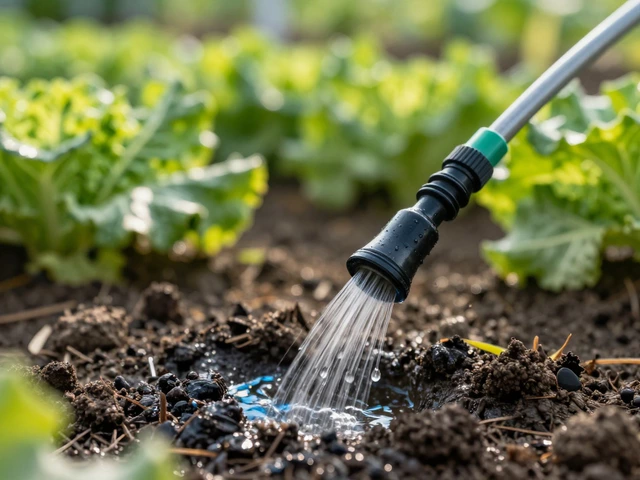
Take drip irrigation, a system that delivers water slowly and directly to plant roots. Most people think running it every day is best. But that’s a mistake. Too much water kills roots, wastes money, and invites mold. The right system uses less water, lasts longer, and works with your local weather. You don’t need fancy gear—just the right number of emitters, the right timing, and a little observation. And if you want to cut water use even more, mulching, covering soil with organic material to hold moisture and block weeds is cheaper, easier, and just as powerful.
Then there’s soil health, the condition of your dirt—how alive it is, how well it holds water, and how much it feeds plants. Compacted, lifeless soil is the silent killer of gardens. You can’t fix it with fertilizer alone. You need aeration, compost, and time. The same goes for natural insecticide, a plant-based solution that kills pests without poisoning bees or soil. Neem oil isn’t magic—it’s science. It disrupts pests’ life cycles, doesn’t wash off in rain, and won’t hurt your kids or pets. It’s the reason gardeners in Kerala and Maharashtra are ditching chemical sprays.
These aren’t isolated tricks. They’re parts of a bigger system. Agriculture technology means connecting water, soil, pests, and plants into one smart plan. It’s why someone growing durian in Tamil Nadu uses the same soil prep as someone growing tomatoes on a Mumbai balcony. It’s why a Vanda orchid in Bengaluru needs the same humidity control as a bonsai in Delhi. The tools change, but the principles don’t.
You’ll find real examples here—not theory, not ads. Posts that show you how to fix compacted soil with just a fork and compost. How to choose between drippers and emitters so your system doesn’t fail in summer. How neem oil beats every other natural spray. How rainwater harvesting cuts your water bill by half. These aren’t tips from a manual. They’re lessons from gardeners who tried the wrong way first—and lived to tell the story.
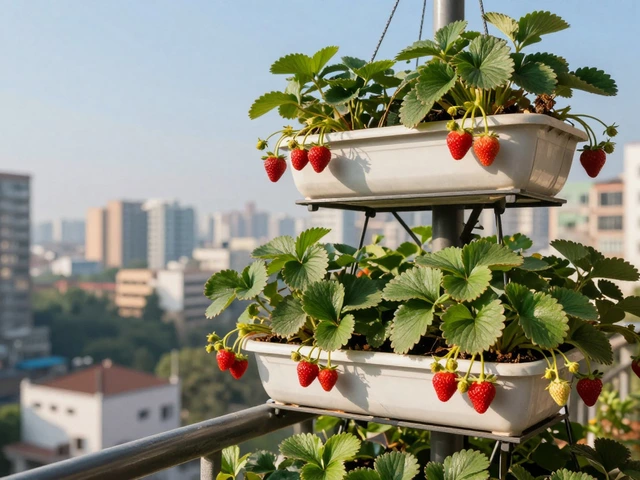
Whether you’re growing on a terrace, a balcony, or a small plot, agriculture technology gives you back control. No guesswork. No wasted water. No dead plants. Just results you can see, touch, and eat.
Drip irrigation offers significant benefits like water conservation and improved crop yields. However, not all farms adopt this technology due to costs, technical challenges, and varying crop types. This article explores the reasons behind the slow adoption of drip irrigation, its potential advantages, and practical insights for farmers considering the switch. Understanding these factors can help farmers make informed decisions about implementing drip systems.