Bhindi Gardening: How to Grow Okra Successfully in Indian Climates
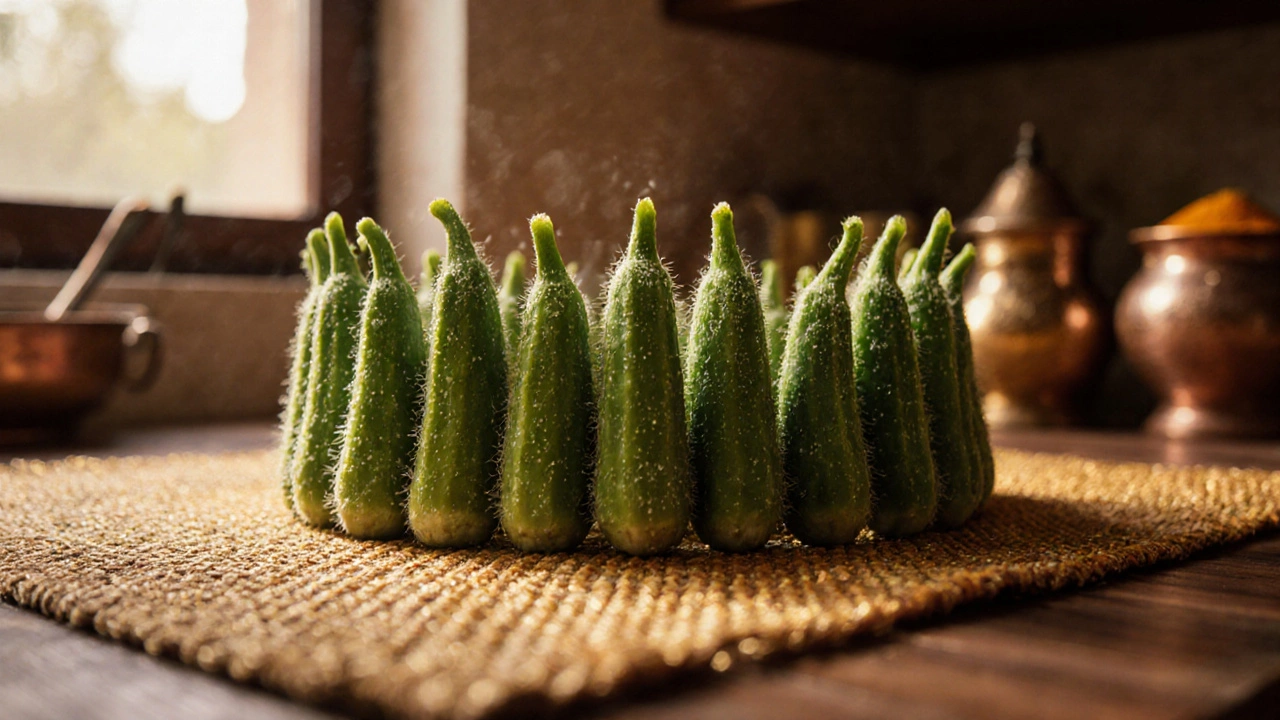
When you think of bhindi, a fast-growing, heat-tolerant vegetable native to tropical regions and widely grown across India. Also known as okra, it thrives in the long, hot summers and is a staple in kitchens from Punjab to Tamil Nadu. But growing it well? That’s where most gardeners stumble. It’s not just about planting seeds and waiting—it needs the right soil, timing, and a little know-how to avoid common mistakes like poor pod set or aphid infestations.
Soil, the foundation of any healthy bhindi crop must be loose, well-drained, and rich in organic matter. Heavy clay? It’ll choke the roots. Sandy soil? It won’t hold moisture long enough. Most successful growers mix compost or well-rotted manure into the top 6 inches before planting. And don’t plant too early—bhindi hates cold. Wait until the soil hits at least 20°C, usually after the last frost in late spring. Watering, a critical factor in bhindi success isn’t about daily soaking. Overwatering leads to root rot and yellow leaves, while underwatering makes pods tough and bitter. A deep soak every 4–5 days, especially during flowering and fruiting, works better than light daily sprinkles. Mulching with dry grass or straw helps keep moisture steady and keeps weeds down.
Then there’s pests, the silent killers of bhindi crops. Aphids, jassids, and fruit borers love this plant. Many gardeners reach for chemical sprays, but neem oil is a proven, safe alternative that won’t hurt bees or pollinators. Spray early in the morning or late evening, every 7–10 days, especially when you see tiny holes in the pods or sticky residue on leaves. And don’t forget to harvest regularly—bhindi pods grow fast. Pick them when they’re 2–3 inches long, soft, and bright green. Leave them too long, and they turn woody, bitter, and stop the plant from producing more.
What you’ll find in the posts below isn’t just theory. It’s what real Indian gardeners have tried—some failed, some succeeded. You’ll see how to fix compacted soil for better bhindi roots, how to use homemade fertilizers that actually boost yield, and why some watering methods that work for tomatoes fail miserably with bhindi. You’ll also learn how to spot early signs of stress, how to space plants right, and why planting near marigolds can cut pest problems by half. No fluff. No guesswork. Just clear, tested advice for growing bhindi that’s tender, plentiful, and ready for your sabzi.
Discover why okra, known as bhindi, is hailed as India's queen of vegetables-its fast growth, heat tolerance, nutrition, and iconic dishes explained.
Continue reading...