Bonsai Care Tips: Essential Guidance for Healthy, Beautiful Trees
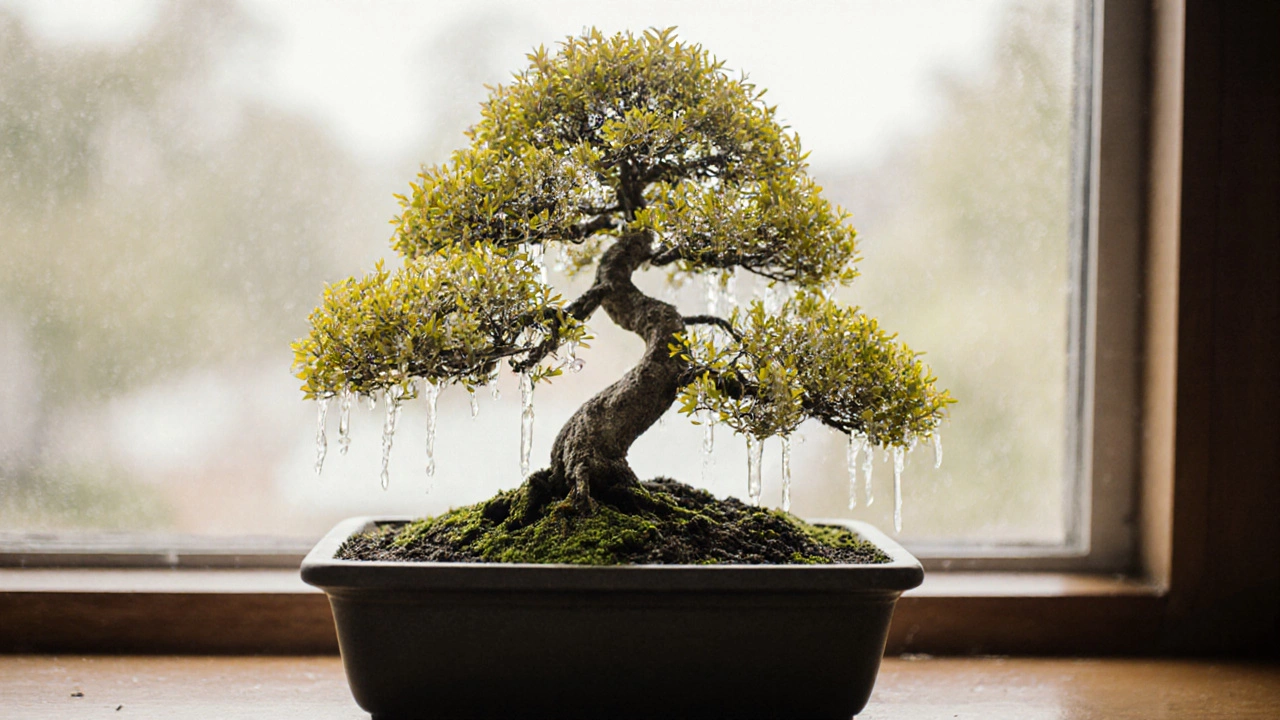
When you bring home a bonsai, a miniature tree trained to grow in a shallow container while mimicking the shape of full-sized trees in nature. Also known as penjing, it’s not just a plant—it’s a living sculpture that demands attention, not just affection. Most people think bonsai are delicate and hard to keep alive. That’s not true. They’re tough, but they need the right conditions. If you’re missing even one key element—water, light, soil, or pruning—you’ll see slow decline, not beauty.
Bonsai watering, the practice of giving just enough water without drowning the roots is where most beginners fail. You don’t water on a schedule. You check the soil. Stick your finger in up to the first knuckle. If it’s dry, water. If it’s damp, wait. Overwatering kills more bonsai than neglect. And don’t use regular potting soil—it holds too much moisture. bonsai soil, a fast-draining mix of akadama, pumice, and lava rock lets roots breathe and prevents rot. This isn’t optional. It’s the foundation.
Bonsai pruning, the careful removal of branches and leaves to maintain shape and encourage dense growth isn’t about making it look pretty. It’s about controlling energy. Cut back new shoots in spring and summer to keep the tree compact. Wire branches in late winter when the tree is dormant, but don’t leave wire on too long—it scars. And always use clean tools. A dirty pair of scissors can spread disease between trees.
Light matters too. Most bonsai need at least 4–6 hours of direct sunlight daily. Keep them outside in spring, summer, and fall. Bring them inside only if temperatures drop below freezing—and even then, put them near a south-facing window. No artificial light replaces real sun. And don’t mist them. That’s a myth. Misting doesn’t raise humidity enough to help, and it invites fungus.
There’s no magic formula. Bonsai care is about observation. Watch how your tree responds. Yellow leaves? Maybe too much water. Leggy growth? Not enough light. Brown tips? Dry air or poor soil. You’ll learn faster by watching than by reading. The posts below give you real, tested advice from people who’ve made the mistakes so you don’t have to. You’ll find exactly how to water your juniper, when to prune your maple, and what soil mix works best for Indian summers. No fluff. No theory. Just what works.
Overwatering is the most common cause of bonsai death. Learn the subtle signs-yellowing leaves, soggy soil, mushy roots-and how to save your tree before it's too late.