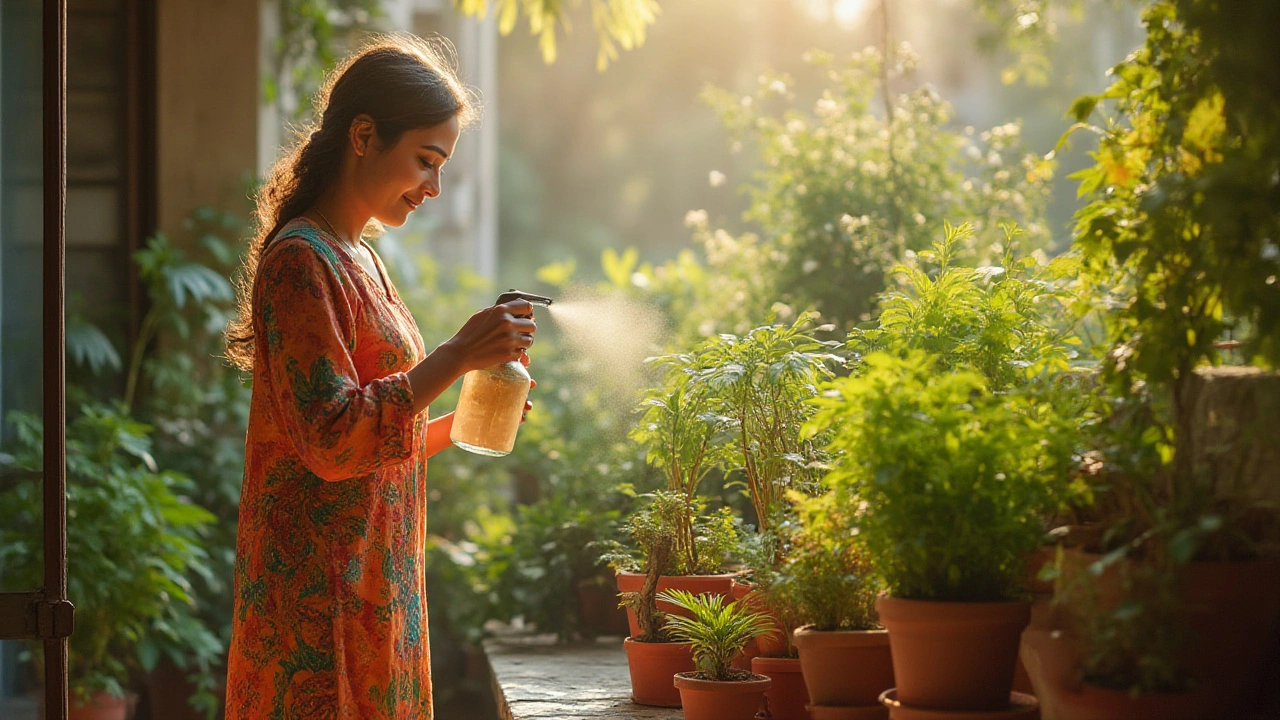
Bring Plants Indoors: How to Successfully Move Your Garden Inside
When you bring plants indoors, the process of moving outdoor-grown plants into a controlled indoor environment to protect them from cold, dry, or harsh weather. Also known as indoor plant transition, it’s not just about picking up a pot and placing it by a window—it’s about matching light, humidity, and watering to your home’s conditions. Most people lose plants indoors not because they forget to water, but because they treat indoor spaces like outdoor ones. The air is drier, the light is weaker, and the temperature doesn’t drop at night like it does outside. Your fern from the patio? It won’t survive on a windowsill if you don’t change how you care for it.
Indoor gardening, the practice of growing plants inside homes or buildings using artificial or filtered natural light isn’t just about aesthetics. It’s a practical way to extend your growing season, protect sensitive species like orchids or tropicals, and even improve air quality. But it requires understanding your home’s microclimates. A south-facing window isn’t the same as a north-facing one. A bathroom with steam isn’t the same as a living room with central heating. The houseplant care, the set of practices including watering, lighting, humidity control, and pest management specific to plants grown inside you use for a snake plant won’t work for a peace lily. And if you’re bringing in plants from outside, you’re also bringing bugs—aphids, spider mites, fungus gnats—that thrive indoors when no natural predators are around.
Transitioning plants indoors isn’t a one-day job. It’s a three-week process. Start by checking roots for rot, washing leaves to remove pests, and slowly reducing sunlight exposure over 7–10 days. Don’t repot them right away—stress piles up. Then, find the right spot. Most plants need at least 6 hours of indirect light. If your home doesn’t provide that, you’ll need grow lights. And forget the idea that you should water every week. Indoor plants often go weeks without needing water. Check the soil with your finger. If it’s dry two inches down, it’s time. If it’s still damp, wait. Overwatering is the #1 killer of indoor plants, even more than lack of light.
When you bring plants indoors, you’re not just moving soil and leaves—you’re changing their entire environment. That means you need to change your habits. The posts below show real examples: how to save an overwatered bonsai that was moved inside, how to use neem oil to stop pests that spread in closed spaces, how to fix compacted soil in pots after outdoor use, and which plants actually thrive in India’s dry winters. You’ll find out what works for balconies turned indoor gardens, how to use rainwater harvesting principles indoors, and why some plants that look fine in summer die quietly in winter. No fluff. No guesswork. Just what you need to keep your plants alive and healthy all year.