Carbon Footprint Vegetables: Reduce Emissions While Growing Your Own Food
When you grow carbon footprint vegetables, vegetables that require fewer resources, less transportation, and minimal synthetic inputs to produce. Also known as low-carbon food, these plants help cut greenhouse gas emissions right from your backyard. Most people don’t realize that the veggies in your grocery store have traveled thousands of miles, been grown with fossil-fuel-powered fertilizers, and packed in plastic—all adding up to a heavy climate cost. But when you grow your own, you skip most of that. You’re not just saving money. You’re cutting emissions.
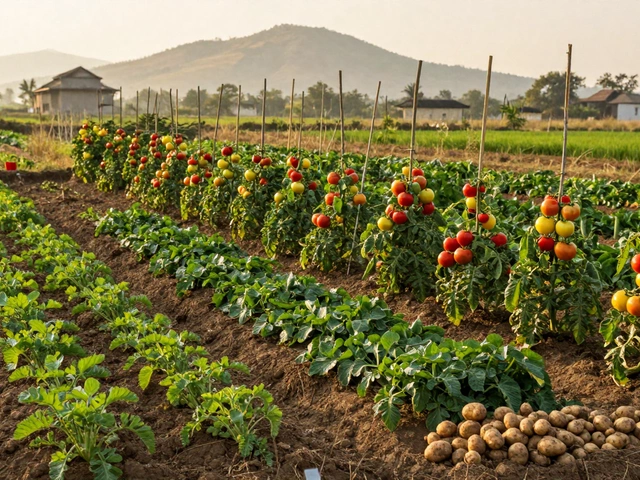
The real winners? Leafy greens like spinach and lettuce, beans, peas, and root crops like carrots and beets. These plants don’t need heavy machinery to farm, they fix nitrogen naturally, and they grow fast with little water. Compare that to out-of-season tomatoes shipped from another country or greenhouse-grown peppers blasted with artificial heat. Those have a much bigger footprint. Even the way you fertilize matters. Homemade compost beats synthetic nitrogen fertilizer every time—because making that fertilizer uses natural gas, and it leaks nitrous oxide, a greenhouse gas 300 times worse than CO2.
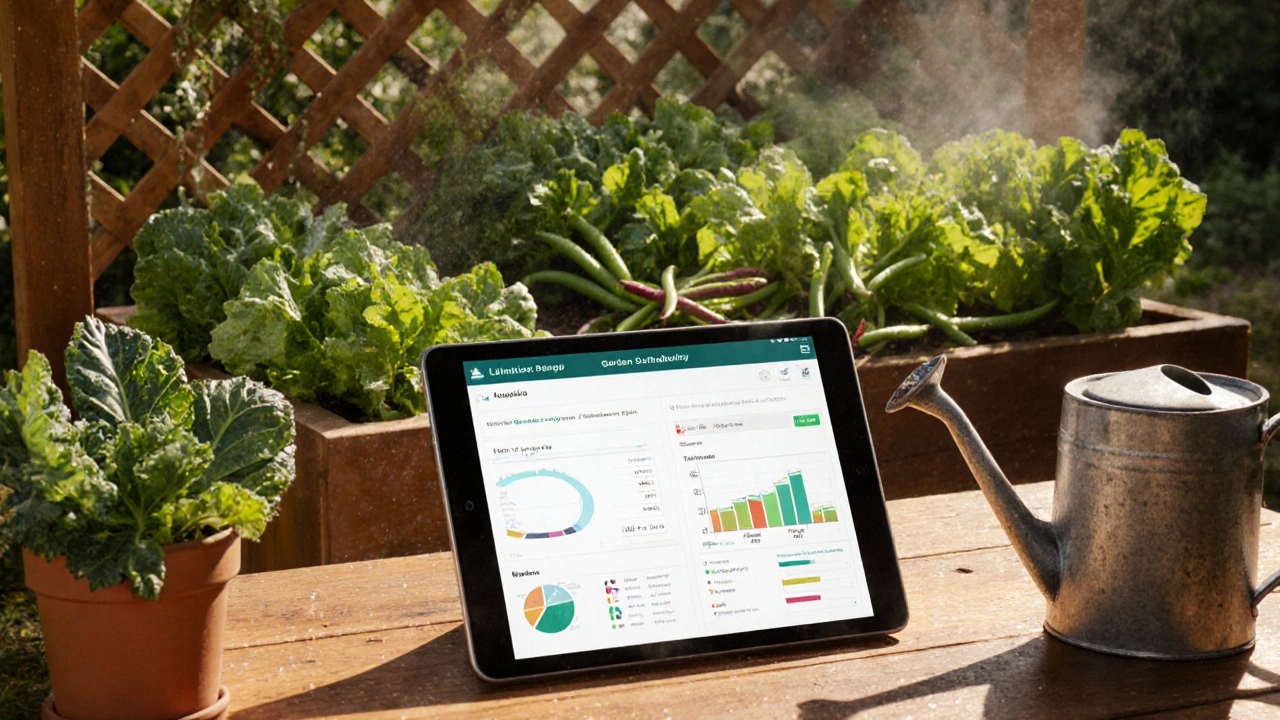
It’s not just about what you grow. It’s how you grow it. Using rainwater instead of tap water, skipping plastic pots, and mulching to hold moisture all shrink your garden’s carbon footprint. You don’t need fancy tech. A few well-placed containers, some compost, and a little planning can turn your balcony or backyard into a climate-friendly food source. And the best part? You get fresher, tastier food while doing it.
Below, you’ll find real guides from gardeners who’ve cut their food’s carbon footprint by growing smarter. Learn how to pick the right veggies for your space, avoid common mistakes that waste energy, and build soil that doesn’t rely on factory-made chemicals. Whether you’re working with a tiny balcony or a rooftop terrace, there’s a way to grow food that doesn’t cost the earth.
Discover the most sustainable vegetables to grow, learn how to evaluate water use, carbon impact, and soil benefits, and get practical tips for low‑impact gardening.
Continue reading...