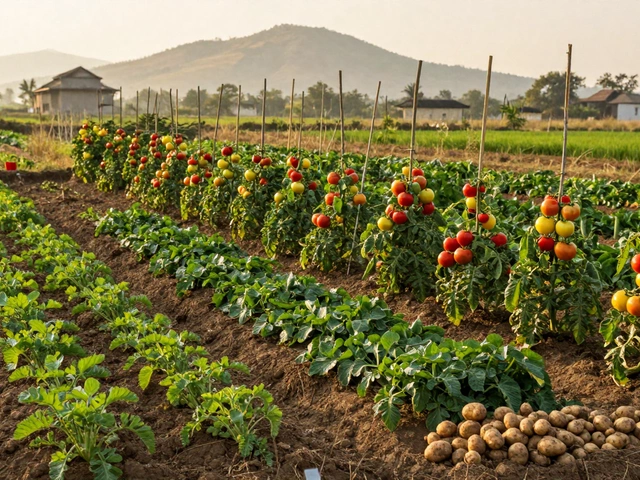
No-Till Farming: Benefits, Challenges & How to Get Started
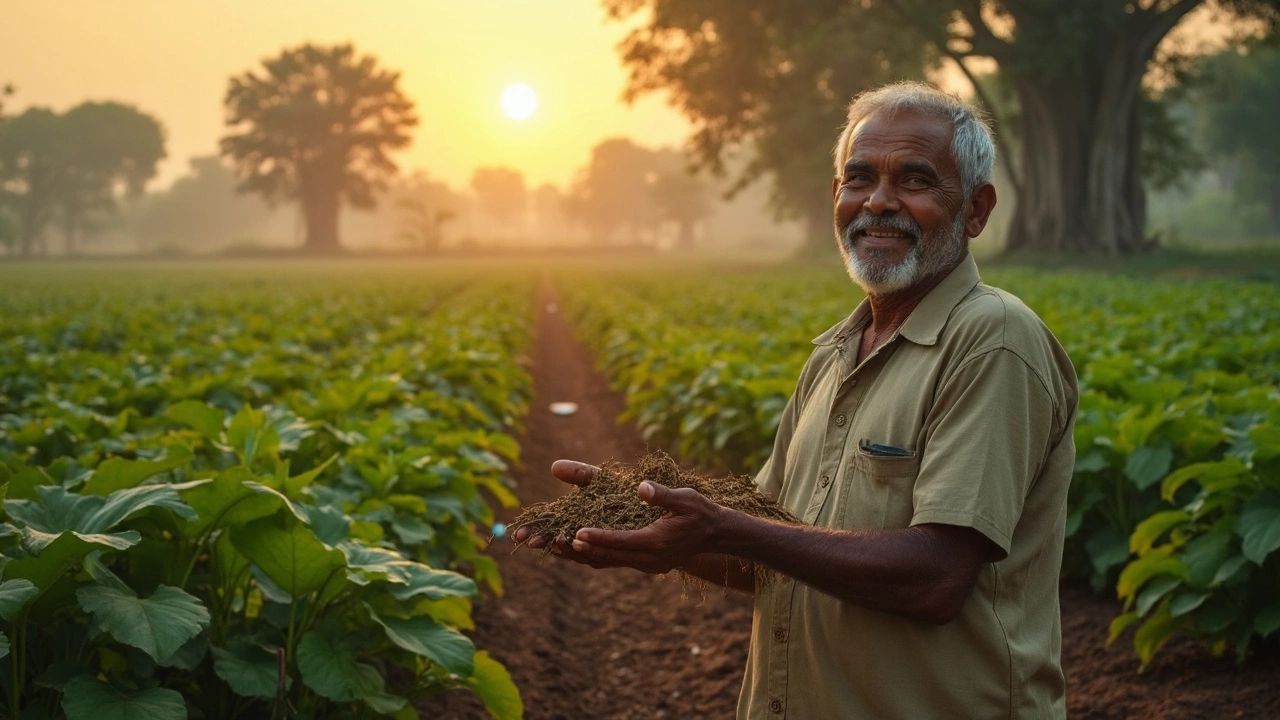
Dig into the no-till method—how skipping the plough improves soil, saves work, and helps the planet. Honest pros, real challenges, and steps to start.
Continue reading...When you think of carbon sequestration, the process of capturing and storing atmospheric carbon dioxide. Also known as carbon capture, it's often talked about in terms of big tech or forests—but it’s also happening in your backyard, your balcony, and your pot of herbs. Every time you add compost to your soil, mulch around your plants, or let leaves lie where they fall, you’re helping trap carbon that would otherwise heat up the planet. This isn’t theory. It’s dirt-under-your-nails science.
Healthy soil is the quiet hero of carbon sequestration, the process of capturing and storing atmospheric carbon dioxide. It doesn’t need fancy machines or expensive systems. Just organic matter. When you use composting, turning kitchen scraps and yard waste into nutrient-rich soil. you’re feeding microbes that lock carbon into stable forms. Studies show that well-managed garden soil can store up to 3 tons of carbon per acre each year. That’s more than a car emits in six months. And you don’t need an acre—just a few pots or a small patch of earth.
It’s not just about compost. mulching, covering soil with organic material like leaves, straw, or wood chips. slows down decomposition, keeps moisture in, and prevents carbon from escaping as CO2. When you skip synthetic fertilizers and let plants grow with natural inputs, you’re building long-term carbon sinks instead of short-term spikes. Even your choice of plants matters. Deep-rooted perennials, native grasses, and trees like neem or moringa—common in Indian gardens—are natural carbon drawers.
Most gardeners don’t realize they’re climate warriors. You’re not just growing tomatoes or jasmine—you’re rebuilding the earth’s carbon balance, one handful of soil at a time. The posts below show you exactly how to do it: how to fix compacted soil so it holds more carbon, how to use drip irrigation without wasting water, how to turn kitchen waste into carbon-rich humus, and why the toughest plants to grow are often the best at storing carbon. No fluff. No jargon. Just what works in Indian gardens, on balconies, and in small spaces.
Dig into the no-till method—how skipping the plough improves soil, saves work, and helps the planet. Honest pros, real challenges, and steps to start.
Continue reading...