Cholesterol and Gardening: What You Need to Know About Diet, Plants, and Health
When you hear the word cholesterol, a waxy substance found in your blood that your body uses to build cells and make hormones. Also known as blood lipid, it’s often misunderstood—too much of it can clog arteries, but your body needs some to function. The truth? You don’t need pills or fancy supplements to manage it. What you grow in your garden might be more powerful than any drug.
Plants don’t make cholesterol. That’s why a diet rich in vegetables, fruits, nuts, and seeds naturally lowers bad cholesterol. Oats, a whole grain packed with soluble fiber that binds to cholesterol in the gut and flushes it out are a top choice. So are avocados, a fruit rich in monounsaturated fats that help raise good HDL cholesterol. And garlic, a kitchen staple with compounds shown to reduce total cholesterol levels, grows easily in Indian soil. Growing these yourself means you know exactly what’s in them—no additives, no preservatives, just pure plant power.
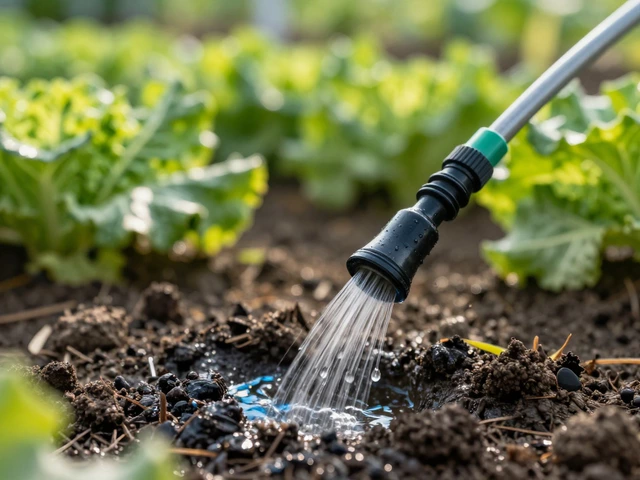
Cholesterol isn’t just about what you eat—it’s about what you do. Gardening isn’t just a hobby. It’s movement. Digging, planting, weeding, watering—they all add up. A 30-minute session burns calories, lowers stress, and helps your body process fats better. Stress raises cortisol, which pushes your liver to make more cholesterol. When you’re tending to your plants, your mind calms down. Your body follows.
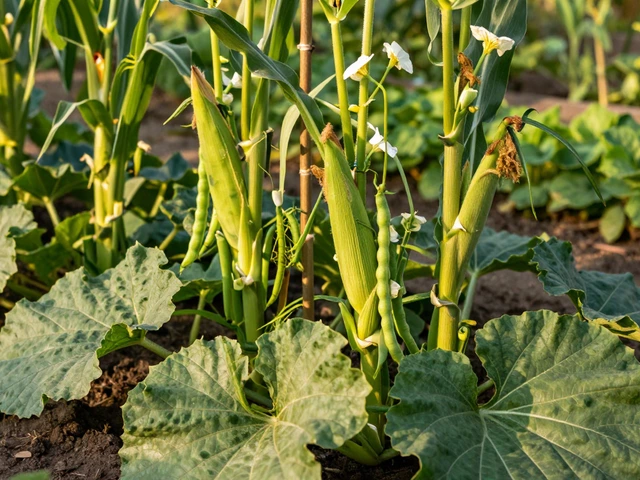
You won’t find a single article here about statins or blood tests. But you’ll find real, practical ways to take control. From growing your own cholesterol-lowering foods to improving soil that grows nutrient-dense crops, this collection gives you the tools to build a garden that supports your heart—not just your flowers. Whether you’re growing tomatoes on a balcony or herbs in a backyard, every plant you nurture is a step toward better health.
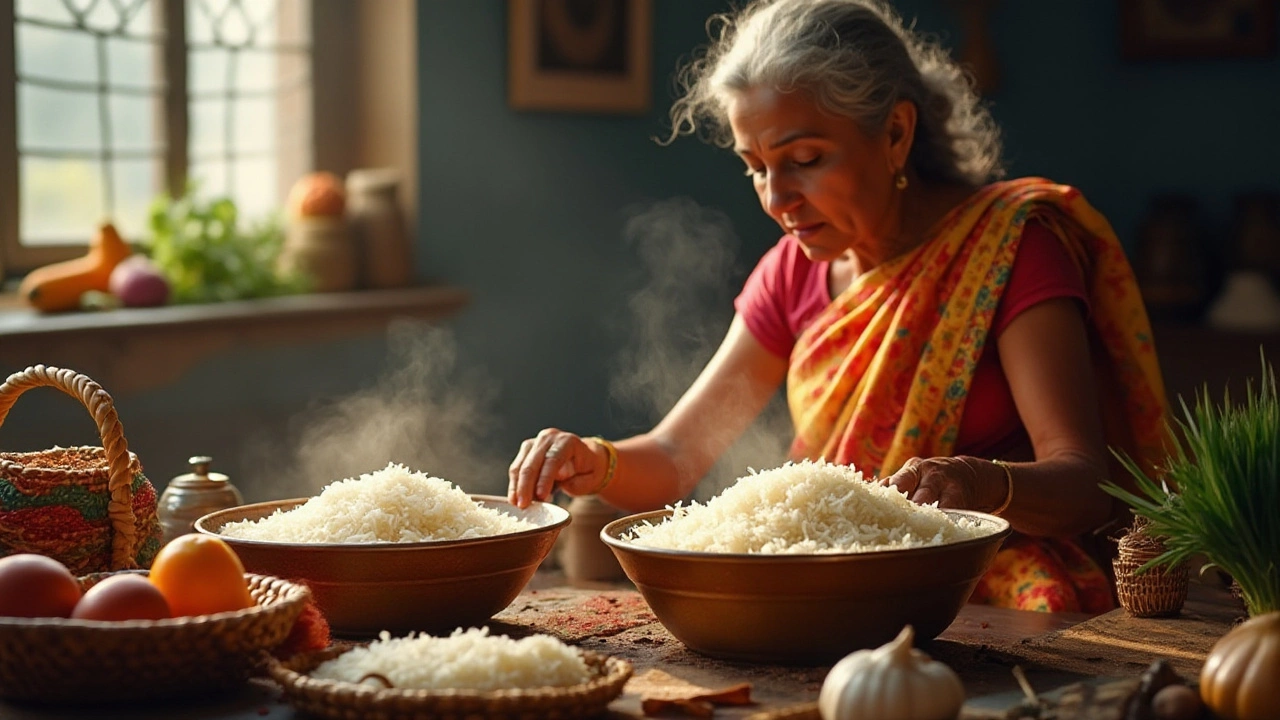
White rice, a popular staple in many diets, can have surprising impacts on cholesterol levels. This article delves into how its refined nature might contribute to cholesterol concerns and overall heart health. Learn about the differences between white and brown rice, and why integration of the latter might be beneficial. Discover tips on how to balance rice intake for better health results. Understand the role of fiber and nutrients in managing cholesterol effectively.