Continuous Bloom Garden: How to Keep Flowers Blooming All Season
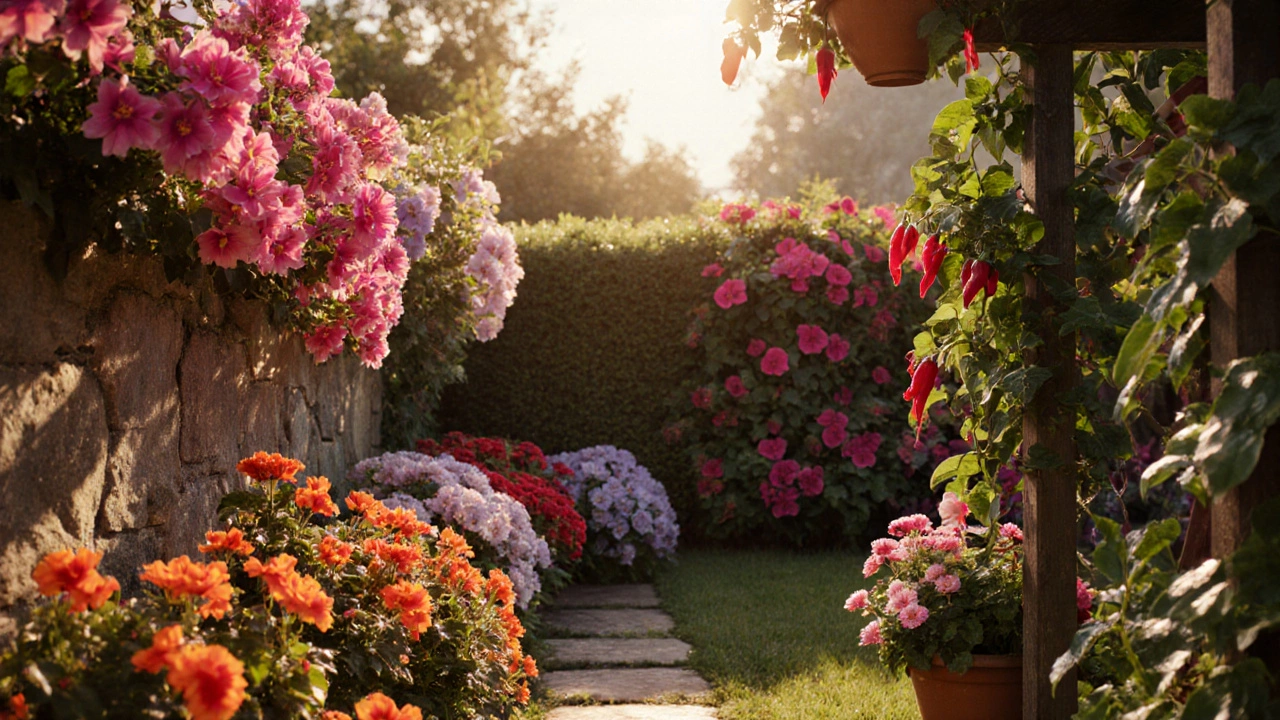
A continuous bloom garden, a garden designed to have flowers blooming from early spring through late fall without long gaps. Also known as a perennial succession garden, it’s not about planting everything at once—it’s about timing, layering, and choosing plants that naturally pick up where others fade. Most people think a colorful garden means buying a bunch of annuals every year. But that’s expensive, wasteful, and doesn’t last. A real continuous bloom garden uses perennials, shrubs, and smart planting to create a living timeline of color that renews itself.
This kind of garden relies on three key elements: perennial plants, long-lived flowering plants that return each year without replanting, flowering shrubs, woody plants that bloom for weeks or months and provide structure, and garden design, the intentional arrangement of plants by bloom time, height, and light needs. You don’t need a huge space. Even a small balcony or terrace can pull this off with the right combo. Think of it like a playlist: one song ends, another starts, and the music never stops.
In India’s varied climates—from the dry heat of Rajasthan to the monsoon-soaked hills of Kerala—some plants bloom longer than others. Jasminum grandiflorum (Mogra) kicks off in the rains, while certain lantana varieties hold color through summer. Shrubs like hibiscus and bougainvillea can bloom nearly year-round if pruned right. The trick isn’t just picking pretty flowers. It’s matching them to your soil, sun, and water reality. Compacted soil? That’s why your blooms die early. Overwatering? That’s why your roses rot. You need healthy soil, smart watering, and plants that actually like your conditions.
Look at the posts below. You’ll find real fixes for the problems that break continuous bloom gardens: how to fix hard soil, how to water without drowning plants, what natural insecticides protect blooms without killing bees, and which plants actually thrive in small spaces like balconies and terraces. Some of these guides talk about drip irrigation, others about composting or rainwater harvesting. They all connect back to one thing: keeping your garden alive and blooming, not just for a week, but for months on end.
There’s no magic formula. But there is a pattern. Start with plants that bloom in spring, layer in summer stars, and finish with fall bloomers that last until frost. Add a few evergreen shrubs for structure. Then step back and let nature do the rest. The garden you see below isn’t just a collection of articles—it’s a roadmap to a garden that never sleeps.