Costliest Fruit in India: What Makes It So Expensive and Where to Find It
When we talk about the costliest fruit in India, a rare, high-value produce that commands premium prices due to scarcity, demand, and cultivation difficulty. Also known as the king of fruits, it’s not just about sweetness—it’s about rarity, logistics, and cultural status. This isn’t your average mango or banana. These are fruits that farmers grow in tiny quantities, transport across states in climate-controlled vans, and sell for hundreds of rupees per piece. Some are imported, others are native but so finicky to grow that only a handful of orchards in the country can produce them reliably.
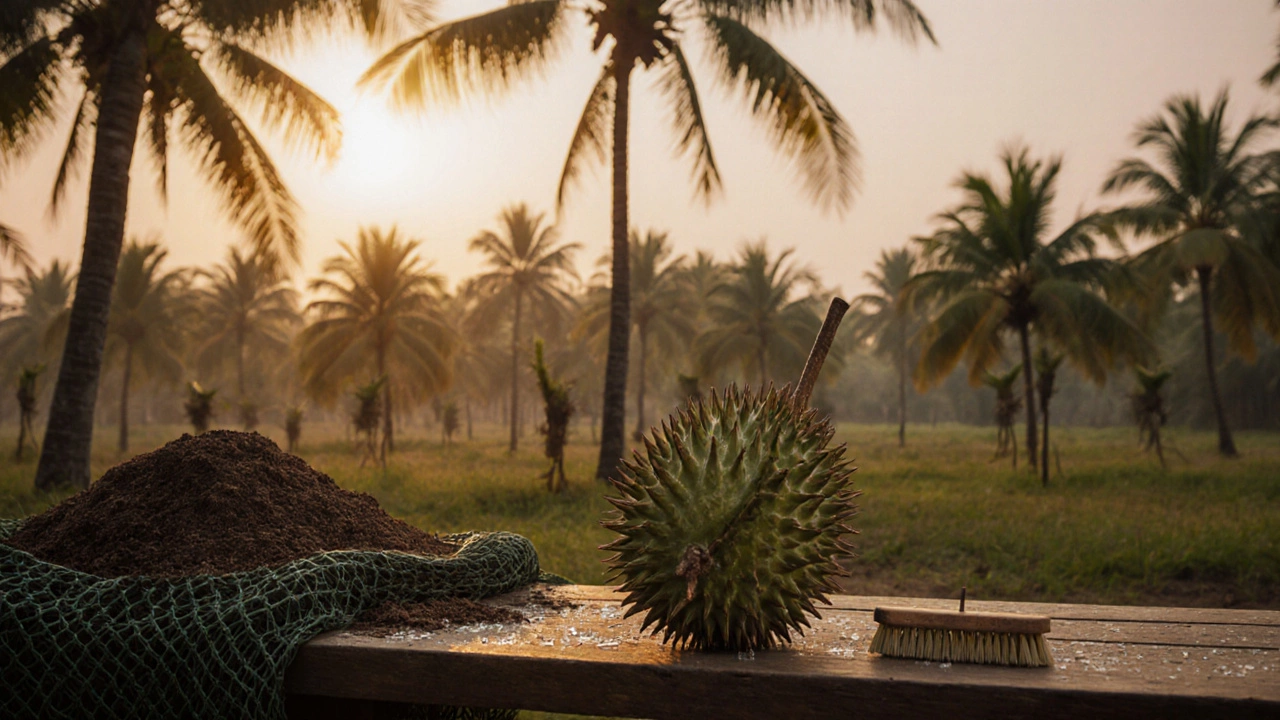
What makes a fruit the most expensive? It’s rarely one thing. Take the durian, a spiky, pungent tropical fruit that’s banned in many public places but highly sought after by collectors and luxury buyers in India. Even though it’s not native, it’s flown in from Southeast Asia and sold in Delhi and Mumbai for over ₹3,000 per kilo. Then there’s the Alphonso mango, a premium variety grown only in Maharashtra’s Konkan region, where soil, monsoon timing, and hand-pollination make each fruit a small miracle. A single Alphonso can cost ₹500–₹1,000, and people still buy them in bulk for gifting. Even the black sapote, a chocolate-flavored fruit imported from Mexico and grown experimentally in Kerala, has become a status symbol in urban gardens.
These fruits aren’t just expensive because they taste good. They’re expensive because they demand perfect conditions, take years to bear fruit, and often die from minor mistakes. A single orchard might spend ₹5 lakh just to get 100 kg of harvest. Compare that to a watermelon that grows wild in the heat and sells for ₹20. That’s the gap. And because of this, these fruits aren’t just food—they’re investments, gifts, and symbols of privilege. You won’t find them at your local market. You’ll find them in specialty stores, high-end hotels, or through private growers who sell by appointment.
What you’ll find below are real stories from Indian gardeners who’ve tried—and failed—to grow these luxury fruits. You’ll read about the soil tweaks, humidity controls, and irrigation tricks that make or break these crops. Some posts explain why even drip irrigation won’t save a durian tree if the air’s too dry. Others show how composting and root management turned a failed sapling into a fruit-bearing tree. Whether you’re curious about the science behind the price tag or thinking of trying to grow one yourself, these guides cut through the hype and show you what actually works in India’s climate.
Durian is India's costliest fruit, grown locally in southern states. It commands high prices due to its rarity, long growth cycle, and cult following. Learn why gardeners are planting it and how to grow it successfully.