Daily Vegetable Gardening: What Works, What Doesn't, and How to Get Started
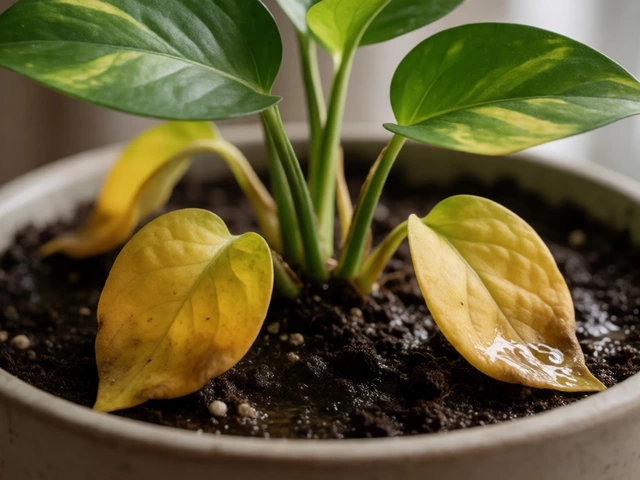
When you think of daily vegetable, edible plants grown regularly for home use, often in small spaces like balconies or terraces. Also known as kitchen garden crops, it's not about planting once and forgetting. It's about consistency—watering right, feeding smart, and picking often to keep the harvest coming. Most people assume daily vegetable gardening means watering every day. But that’s usually the problem, not the solution. Overwatering kills more vegetable plants than pests or poor soil. You don’t need a drip system running 24/7. You need to understand your soil, your climate, and your plants.
Indian homes have unique challenges—hot balconies, compacted terrace soil, and unpredictable monsoons. That’s why drip irrigation, a targeted watering method that delivers water slowly to plant roots isn’t always the best choice. Sometimes, a simple soaker hose or even hand-watering in the early morning works better. And if your soil is hard as brick, no system will save your plants. You need to fix the soil first—with compost, mulch, and aeration. Healthy soil holds moisture, feeds roots, and lets air breathe. That’s the real secret behind consistent harvests.
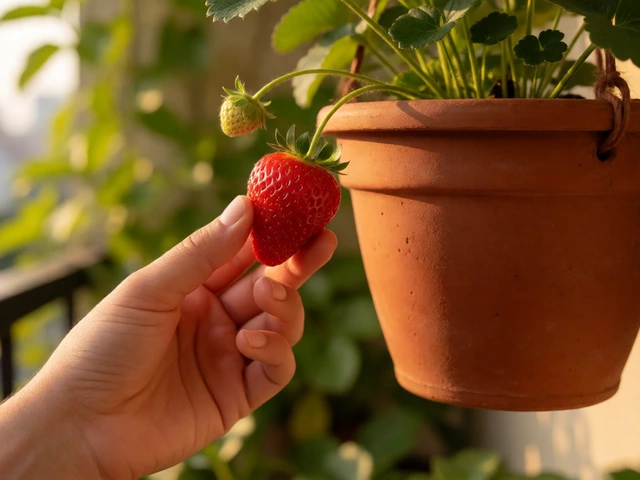
Not all vegetables play nice in small spaces. Some need deep soil, others thrive in pots. container gardening, growing plants in pots or raised beds instead of directly in the ground is perfect for urban gardeners, but only if you pick the right crops. Tomatoes, chillies, beans, and leafy greens like spinach and lettuce are low-maintenance and high-yield. Avoid plants that need huge root systems unless you’re using deep containers. And don’t forget light. Most vegetables need at least 5–6 hours of sun. If your balcony faces north, your options shrink. That’s okay. There are still plenty of veggies that love partial shade.
You don’t need fancy tools or expensive fertilizers. The best fertilizer for daily vegetables is often homemade—banana peels, eggshells, coffee grounds, or neem oil spray. soil health, the condition of soil that supports plant growth through nutrient content, structure, and microbial life isn’t about chemicals. It’s about building life. Dead soil grows weak plants. Living soil grows strong ones. Test your soil. Add compost. Let worms do the work. That’s how you get steady harvests without spending a fortune.
What you’ll find below isn’t a list of generic tips. These are real fixes from gardeners who’ve been there—overwatered bonsai trees, compacted terrace soil, failed drip systems, and plants that just wouldn’t grow. You’ll learn why watering every day is a myth, how to tell if your soil is dying, which vegetables actually work on a 10x10 balcony, and what natural insecticide actually stops pests without killing bees. No fluff. No theory. Just what works in Indian homes, right now.
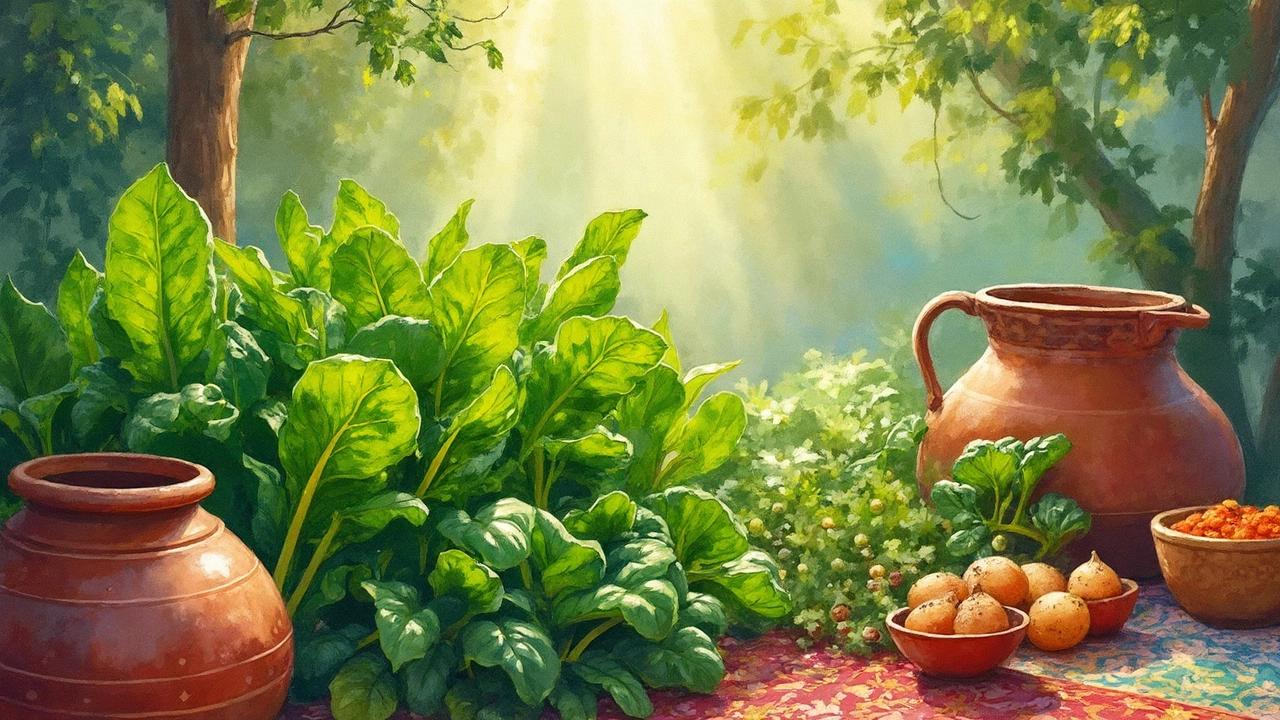
Spinach isn't just for Popeye—it's a nutritional powerhouse that fits beautifully in your daily diet. Learn why this leafy green is the vegetable you should eat every day and how you can grow it in your kitchen garden. Packed with vitamins and minerals, spinach supports everything from eye health to strong bones. Dive into planning your garden to keep a fresh supply year-round. Discover practical tips for ensuring your spinach stays crisp and nutritious when served.