Daily Watering: How Much, When, and Why It Matters for Your Garden
When it comes to daily watering, the routine of giving water to plants every day, often based on habit rather than need. Also known as regular irrigation, it's one of the most misunderstood practices in home gardening. Many people think plants thrive on a fixed schedule—water Monday, Wednesday, Friday—but that’s like saying you need to eat three meals a day no matter if you’re hungry or not. Plants don’t care about your calendar. They care about their roots, the soil, and the weather.
What actually matters is soil moisture, the amount of water held in the soil around plant roots, which determines whether a plant can absorb what it needs. If your soil stays wet for days, your plant’s roots suffocate. That’s how you get root rot, yellow leaves, and a dying bonsai—exactly what happens when daily watering ignores real conditions. On the flip side, if the soil dries out too fast, your plants stress out and stop growing. The goal isn’t to water every day. It’s to water just enough, just when it’s needed.
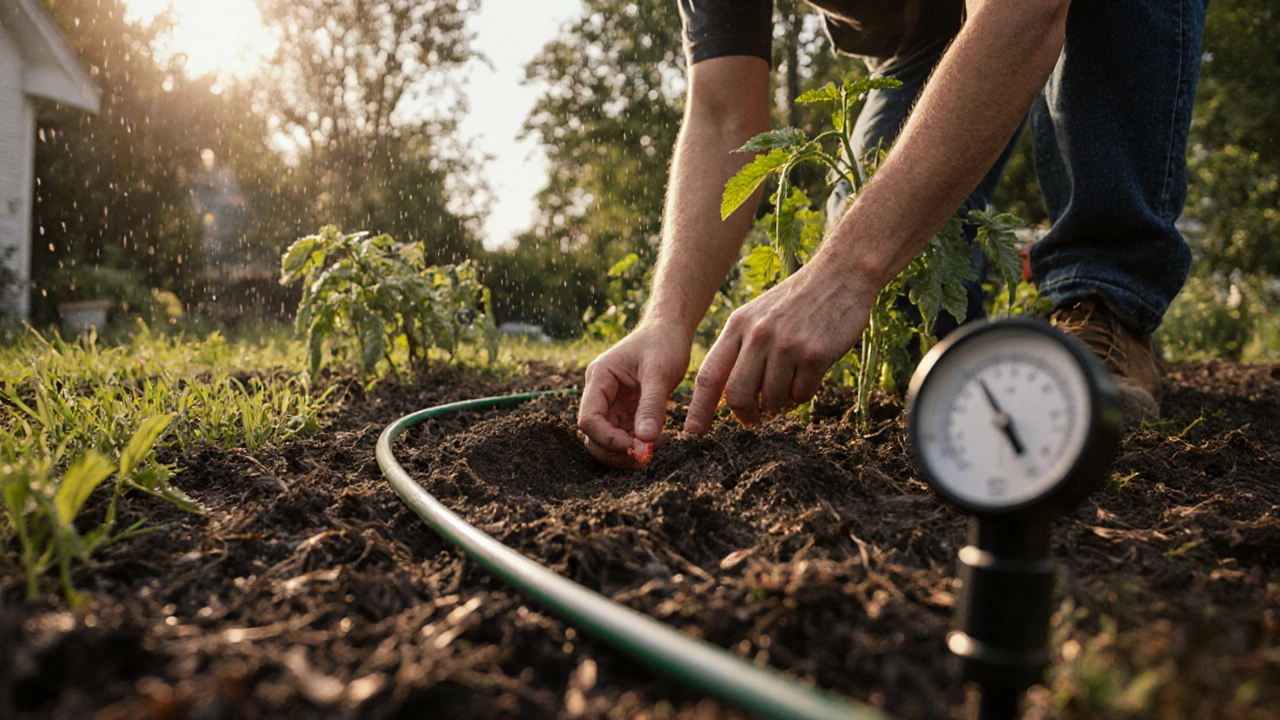
Drip irrigation, a method that delivers water slowly and directly to the root zone, minimizing waste and evaporation helps a lot, but even drip systems can overwater if left running daily. The best setups adjust based on weather, plant type, and season. Mulch plays a big role too—it keeps moisture in, cuts evaporation, and reduces how often you even need to reach for the hose. Rainwater harvesting and soaker hoses are smarter alternatives for many Indian gardens, especially where water is scarce or expensive.
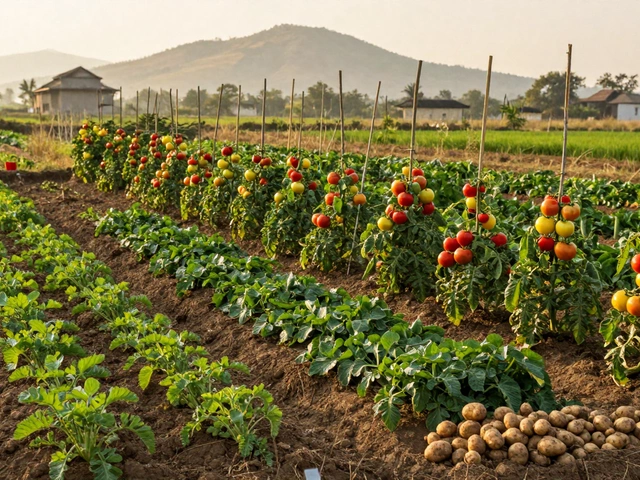
Some plants, like Vanda orchids, need misting and high humidity but hate soggy roots. Others, like tomatoes in pots, drink more in summer but barely need water in winter. Your balcony garden isn’t the same as your terrace garden. Your kitchen herbs don’t need the same care as your durian tree. Daily watering might work for a few plants in ideal conditions, but it’s not a rule—it’s a trap for beginners.
So how do you know when to water? Stick your finger in the soil. If it’s dry an inch down, water. If it’s damp, wait. Watch your plants—they’ll tell you. Wilting in the afternoon heat? Maybe just a heat response. Wilting at sunrise? That’s a cry for help. Use tools like moisture meters if you’re unsure, but don’t replace observation with gadgets. The smartest gardeners don’t water on a schedule. They water on signs.
Below, you’ll find real guides from gardeners who’ve been there—how to spot an overwatered bonsai, why neem oil helps when overwatering weakens plants, how to fix compacted soil that holds too much water, and what actually beats drip irrigation in Indian summers. No fluff. No theory. Just what works in real gardens, with real plants, under real Indian weather.
Running drip irrigation every day is usually a mistake. Learn the right schedule for your plants, how to check soil moisture, and how to adjust for seasons and weather in the UK.