Drip Irrigation Costs: What It Really Takes to Set Up and Maintain
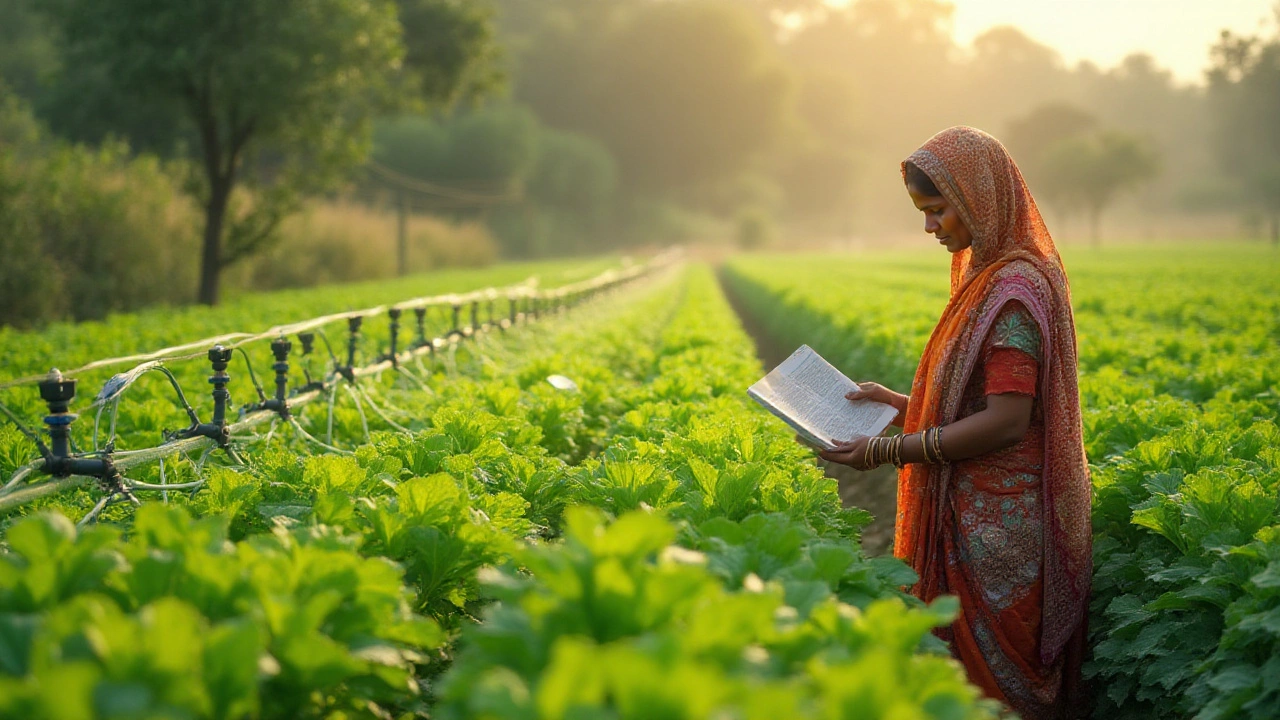
When you think about drip irrigation, a system that delivers water slowly and directly to plant roots to cut waste and boost growth. Also known as micro-irrigation, it’s one of the most efficient ways to water gardens in India’s hot, dry seasons. But before you buy a kit off Amazon or hire someone to install it, you need to know what it actually costs—not just the price tag, but the hidden time, tools, and tweaks that add up.
Most people assume drip irrigation is cheap because the tubes look simple. But the real cost comes from getting it right. A basic 100-square-foot setup with plastic tubing, emitters, a filter, and a timer can run between ₹3,000 and ₹8,000, depending on quality. If you’re doing a larger terrace or vegetable patch, you’re looking at ₹15,000 or more. And that’s just the start. You’ll need pressure regulators if your water pressure is high (common in apartments), backflow preventers if you’re on municipal supply, and extra fittings if your layout isn’t straight. Many DIYers skip these and end up with burst tubes or uneven watering after a month.
Then there’s the drip emitters, small devices that control how much water each plant gets, usually rated in liters per hour. Also known as drippers, they’re the heart of the system. Not all emitters are equal. A 2 LPH emitter for a tomato plant costs less than ₹10, but if you use the wrong type—say, a 4 LPH on a succulent—you’ll drown it. And if you don’t space them right, you’ll waste water. One post in our collection shows how many emitters per zone you actually need, and why guessing leads to failure. You also need to think about maintenance. Clogged emitters are the #1 complaint. A simple filter costs ₹500 but saves you hours of unclogging later.
It’s not just about water—it’s about your time
Some people think drip irrigation means no watering at all. That’s a myth. You still need to check soil moisture, adjust for monsoon rains, and clean filters every few weeks. A system that runs every day is often worse than hand-watering. Our most-read post on this topic explains why daily watering breaks the system, and what schedule actually works for Indian climates. You’ll also find comparisons between drip systems and better alternatives like soaker hoses or rainwater harvesting, which can cut costs even further.
And let’s not forget the hidden players: irrigation zones, groups of plants that get watered together based on their needs. Also known as watering circuits, they’re what keep your system smart. If you put cacti and basil in the same zone, you’re setting yourself up for disaster. Zoning isn’t optional—it’s the difference between a thriving garden and a patch of dead plants. The posts below walk you through real setups: how one gardener in Pune cut his water bill by 60% using just three zones, how another in Hyderabad saved ₹12,000 by skipping expensive brands, and why the most expensive kit isn’t always the best.
What you’ll find here isn’t theory. It’s what works on balconies in Mumbai, terraces in Delhi, and small farms in Tamil Nadu. We’ve pulled together real experiences, real costs, and real fixes—no fluff, no sales pitches. Whether you’re trying to save water, cut bills, or just keep your plants alive in summer, the answers are in these posts. You don’t need to be an engineer. You just need to know what to look for.
Drip irrigation saves water but comes with a high upfront price tag. Learn why it's expensive, what drives the costs, and how gardeners can make it more affordable.
Continue reading...