Drip Irrigation Problems: Common Issues and How to Fix Them
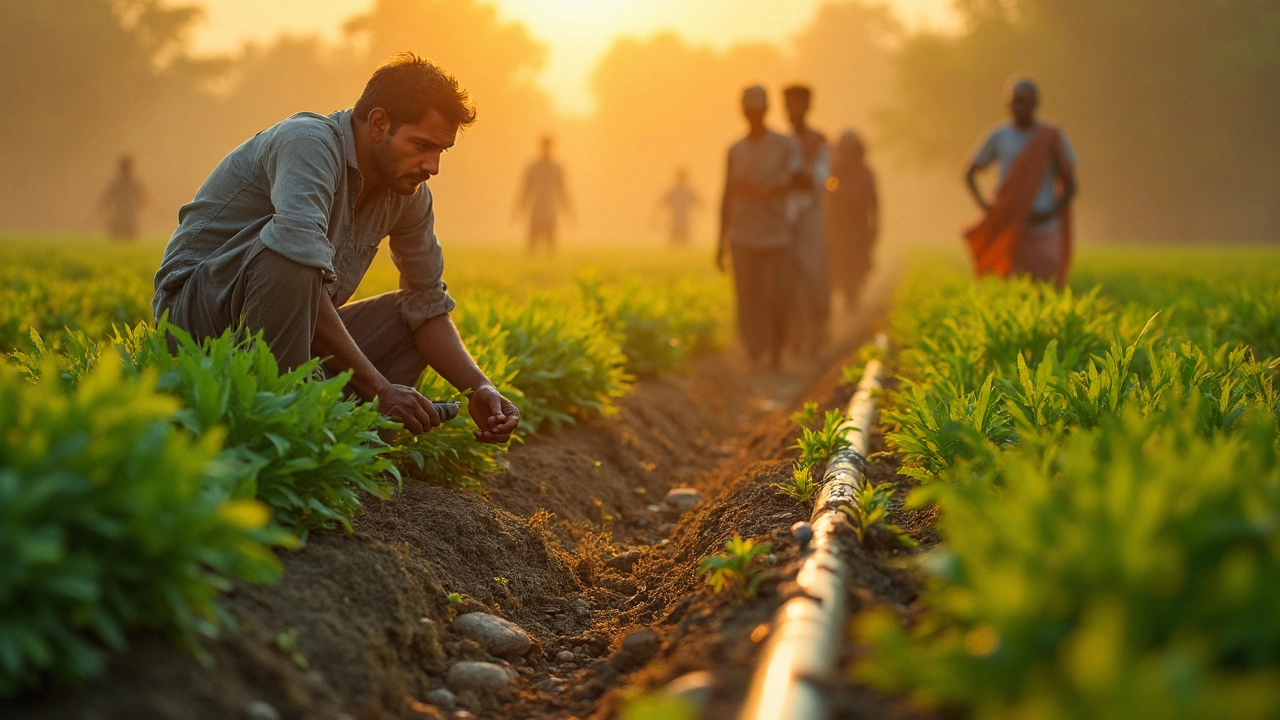
When your drip irrigation, a water-efficient system that delivers water directly to plant roots through tubes and emitters. Also known as micro-irrigation, it's one of the smartest ways to water gardens in India’s hot, dry seasons. But if it’s not working right, you’re wasting water, stressing your plants, and maybe even killing them. The problem isn’t the system itself—it’s how it’s set up or maintained.
Clogged emitters, tiny openings that release water slowly are the #1 issue. Dirt, algae, or mineral buildup from hard water can block them. You’ll notice dry patches near plants that should be getting soaked. Fix it by flushing the lines monthly, using a filter, and cleaning emitters with vinegar. Don’t skip this—many gardeners think their plants are dying from drought, when it’s just a blocked emitter.
Uneven water pressure, a hidden problem that causes some plants to drown while others stay thirsty happens when the system is too long or has too many emitters on one line. If the first plant gets a strong drip and the last one gets a trickle, your system is unbalanced. The fix? Split your zones into smaller groups, use pressure regulators, and keep lines under 200 feet. You don’t need fancy tools—just a hose timer and a little planning.
Then there’s poor system design, the silent killer of drip irrigation. People install emitters too far apart, use the wrong flow rates, or forget to account for plant types. A tomato plant needs more water than a rose. A succulent needs less. If you treat them the same, you’re setting yourself up for failure. Map your garden, group plants by water needs, and match emitters to each zone. It takes 30 minutes upfront—but saves hours of troubleshooting later.
And don’t ignore soil type, the hidden factor that changes how water moves underground. Clay soil holds water longer. Sandy soil drains fast. If you water the same schedule for both, you’re either overwatering one or starving the other. Check your soil every week. Stick your finger in. If it’s damp 2 inches down, skip watering. If it’s dry, turn it on.
Most people think drip irrigation is "set it and forget it." That’s a myth. It needs checking, cleaning, and tweaking—just like your car. A little attention every month keeps it running for years. You’ll use less water, grow healthier plants, and stop guessing when to water.
Below, you’ll find real fixes for the most common drip irrigation problems—based on what actually works in Indian gardens. No theory. No fluff. Just what to do when your system acts up.
Drip irrigation, while celebrated for its water-saving capabilities, isn't without its challenges. From clogging issues to the need for regular maintenance, these systems require careful upkeep. This article dives into the major problem of seepage and system inefficiencies that farmers and garden enthusiasts often face. Discover tips on how to effectively tackle these challenges and make the most out of your drip irrigation setup.
Continue reading...