Drip System Schedule: How to Time Watering for Healthy Plants
When you use a drip system schedule, a timed plan for delivering water directly to plant roots through a network of tubes and emitters. Also known as drip irrigation timing, it’s the difference between plants that thrive and ones that slowly die from too much or too little water. Most gardeners set their drip systems on autopilot—morning, 30 minutes, every day—and wonder why their tomatoes are rotting or their herbs are wilting. The truth? There’s no one-size-fits-all schedule. It depends on your soil, your plants, your climate, and even the season.
A drip emitter, a small device that releases water slowly at the base of a plant is only as good as the schedule behind it. Too frequent and you drown the roots. Too rare and the soil dries out too deep for roots to reach. The best drip irrigation, a water-efficient method that delivers moisture directly to plant roots, minimizing evaporation and runoff systems don’t just run on timers—they respond to conditions. In India’s hot, dry months, you might need 20 minutes every other day. In monsoon season, you might turn it off for weeks. Plants like Vanda orchids, which need consistent moisture but hate soggy roots, demand a different rhythm than tomatoes or herbs.
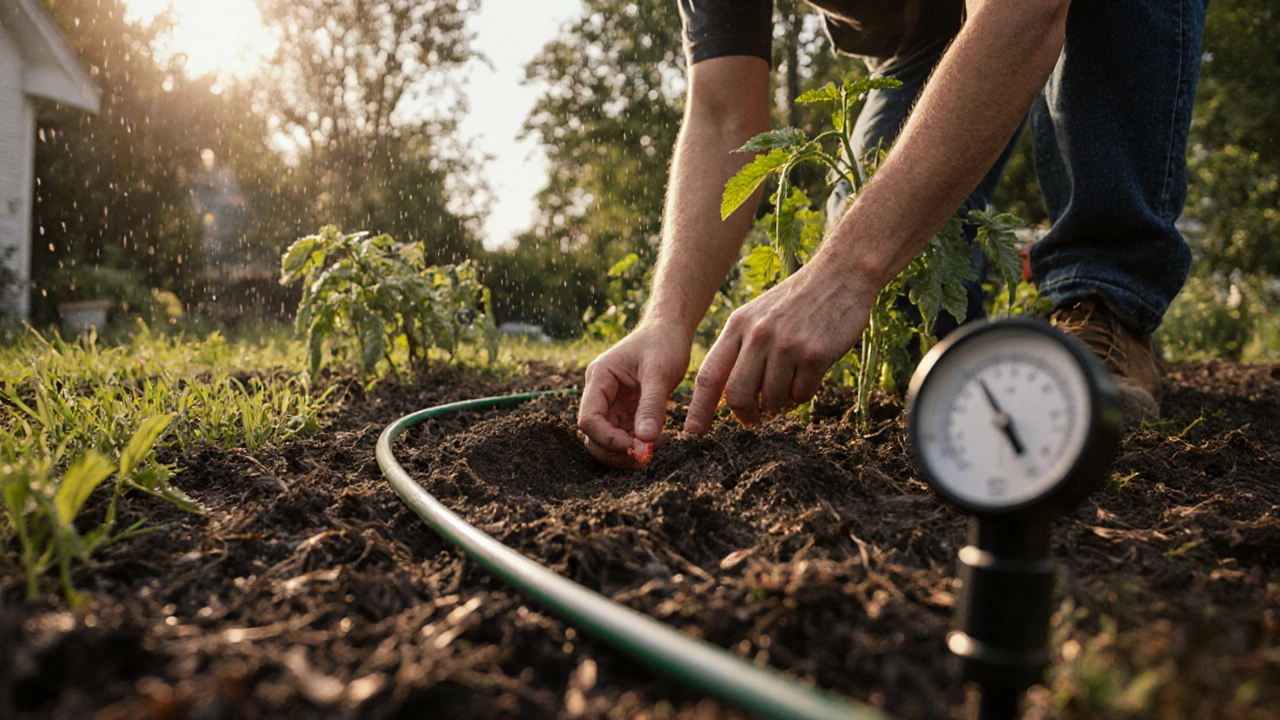
Setting the right drip system schedule isn’t about guesswork. It’s about observation. Check your soil with your fingers—dry an inch down? Time to water. Soggy and dark? Wait. Look at your plants. Yellow leaves? Could be overwatering. Wilting in the morning? Might be underwatered. Your drip system should work with nature, not against it. And it’s not just about water. The same schedule that keeps your plants healthy also helps your soil stay loose, your roots grow deep, and your water bill stay low. Think of it like feeding your garden a balanced meal instead of dumping a whole bag of food on the table at once.
What you’ll find in these posts isn’t a rigid rulebook. It’s real-world advice from gardeners who’ve been there—people who learned the hard way that a 10-minute drip cycle in April won’t work in June. You’ll see how to match emitter flow rates to plant needs, how many emitters per zone actually make sense, and why some gardeners skip drip irrigation altogether for even better results. There’s no magic number. But once you understand how water moves through soil, how roots respond, and how your local climate shifts, you’ll know exactly when to turn it on—and when to leave it off.
Running drip irrigation every day is usually a mistake. Learn the right schedule for your plants, how to check soil moisture, and how to adjust for seasons and weather in the UK.