Durian India: Can You Grow This Tropical Fruit in India's Climate?
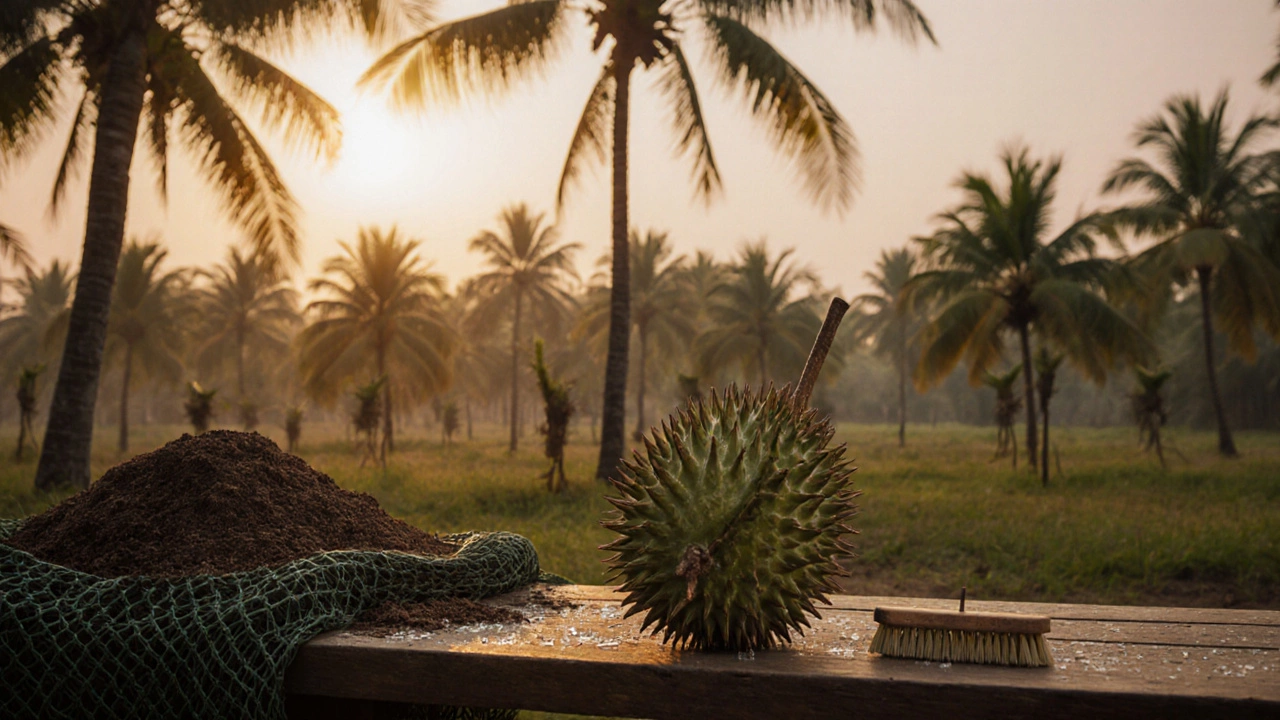
When people talk about durian, a spiky, pungent tropical fruit known for its intense smell and creamy flesh. Also known as king of fruits, it is native to Southeast Asia and thrives in humid, rainforest climates with consistent warmth. Most Indians have only tasted it in imported form—rare, expensive, and often frozen. But can you actually grow durian in India? The short answer: barely, and only in tiny pockets.
India’s climate isn’t a perfect match. Durian needs year-round temperatures above 25°C, heavy rainfall (over 2,000 mm annually), and soil that drains fast but holds moisture. That rules out most of the country. Only parts of the southern tip—like the Nilgiris in Tamil Nadu, parts of Kerala, and some coastal zones in Karnataka—come close. Even there, success is rare. Most attempts fail because gardeners treat it like a mango or guava. Durian isn’t just picky—it’s demanding. It needs high humidity, no frost, deep soil, and protection from wind. Without all four, the tree won’t flower, or worse, it’ll die young.
That’s why you won’t find durian farms in Punjab or UP. But here’s what’s interesting: some Indian gardeners are experimenting with microclimates. They grow durian under shade nets, near water bodies, or in raised beds with compost-rich soil. One grower in Coonoor got a tree to fruit after seven years—by hand-watering daily and covering roots with mulch to mimic rainforest floor conditions. It’s not easy. But if you’re serious, you need more than hope. You need humidity control, the ability to maintain moisture levels above 75% around the tree, soil aeration, to prevent root rot in India’s heavy monsoon clay, and patience. Most people give up before year three.
So if you’re dreaming of a backyard durian tree, ask yourself: are you ready to treat it like a high-maintenance bonsai? You’ll need to monitor soil moisture daily, protect it from summer heat spikes, and adjust watering like you’re managing a drip irrigation system. And even then, fruiting isn’t guaranteed. The truth? Most Indian gardeners are better off focusing on durian alternatives that actually thrive here—like jackfruit, rambutan, or even mango varieties bred for heat tolerance. They give you similar exotic flavors without the heartbreak.
Below, you’ll find real stories from Indian gardeners who’ve tried—and sometimes succeeded—with tropical fruits in tough climates. Some posts show how to fix compacted soil for root-heavy trees. Others explain how to cool a hot balcony for sensitive plants. A few even cover natural insecticides to protect young fruit trees. None of them promise quick wins. But they do give you the honest, practical steps that actually matter when you’re fighting India’s weather to grow something rare.
Durian is India's costliest fruit, grown locally in southern states. It commands high prices due to its rarity, long growth cycle, and cult following. Learn why gardeners are planting it and how to grow it successfully.