Evaporative Cooling for Gardens: How It Works and Why It Matters
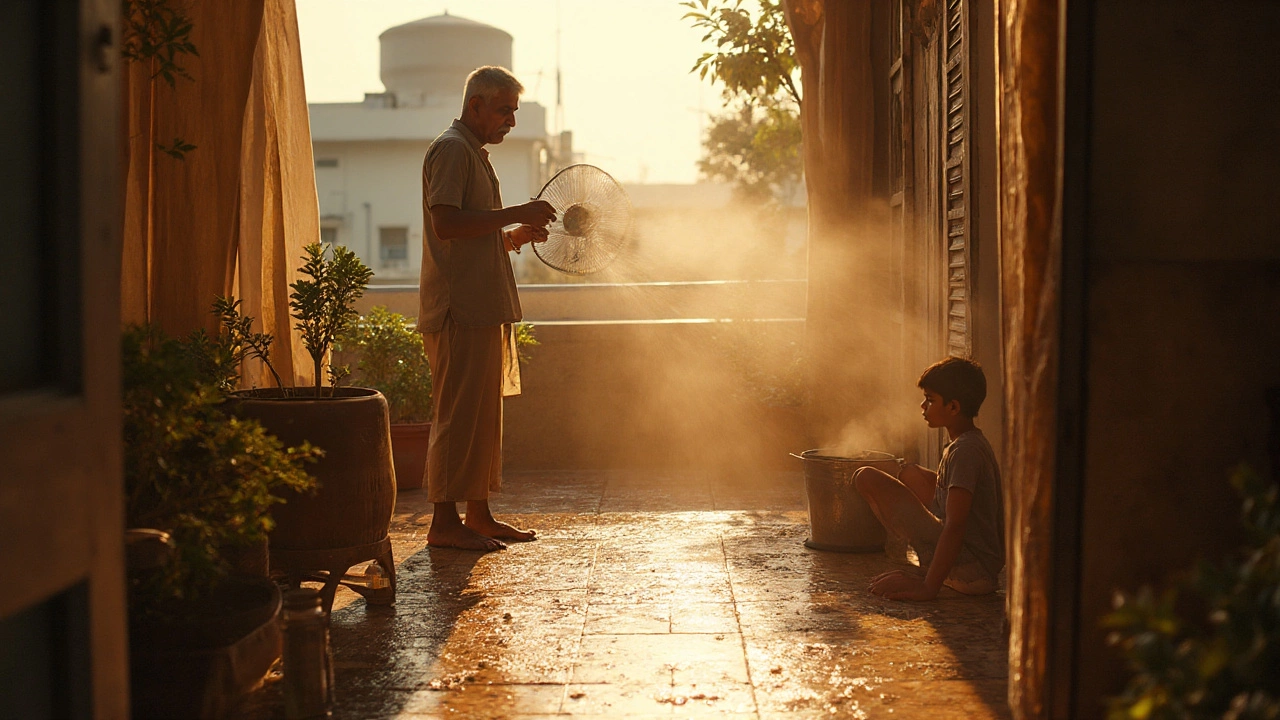
When you hear evaporative cooling, a natural process where water absorbs heat as it turns to vapor, lowering surrounding air temperature. Also known as swamp cooling, it’s one of the oldest and most efficient ways to beat the heat without electricity-hungry AC units. In India’s scorching summers, where temperatures regularly climb past 40°C, this isn’t just a luxury—it’s a survival tactic for plants, pets, and people spending time outdoors.
Evaporative cooling works best when you pair it with misting systems, fine water sprays that evaporate quickly, pulling heat from the air. Think of it like sweat on your skin—except it’s cooling your whole balcony or terrace. You don’t need fancy gear. A simple hose with a mist nozzle, a wall-mounted spray bar, or even a wet burlap sack hung over a fence can drop the temperature by 5–10°C. It’s not magic, but it’s science that actually works. And unlike air conditioners, it adds moisture to dry air, which helps plants breathe and reduces stress from heat.
This method connects directly to other gardening needs you might already be dealing with. For example, if you’re trying to cool a hot balcony, a space that bakes under direct sun and reflects heat off walls and tiles, evaporative cooling is the cheapest fix. It works hand-in-hand with mulching, a technique that keeps soil moist and reduces evaporation loss. When you layer mulch under your plants and add a gentle mist above them, you’re creating a microclimate that keeps roots cool and leaves hydrated. You’re also saving water—because less of it evaporates uselessly into the air.
Some gardeners think they need expensive fans or shade cloths to handle heat. But in places like Bangalore, Pune, or Hyderabad, where nights are still warm and electricity bills spike, evaporative cooling gives you control without the cost. It’s especially useful for Vanda orchids, a high-maintenance plant that needs humidity and airflow to survive, or for seedlings that wilt in midday sun. Even your herbs—basil, mint, coriander—will thank you. They don’t just survive; they thrive.
There’s a reason this method shows up in posts about water efficiency, balcony gardening, and self-sustaining gardens. It’s not just about comfort—it’s about resilience. When you use evaporative cooling, you’re not fighting nature. You’re working with it. And in India’s unpredictable climate, that’s the smartest move you can make.
Below, you’ll find real-life guides on how to set up cooling systems, what tools actually work, and how to combine evaporative cooling with other low-tech solutions to keep your garden alive—even when the mercury soars.
Yes, water can cool your house a bit-but it’s brief and risky. Learn when it works, how to do it safely, costs, UK restrictions, and smarter ways to stay cool.