Expensive Food India: Why Some Foods Cost So Much and Who Grows Them
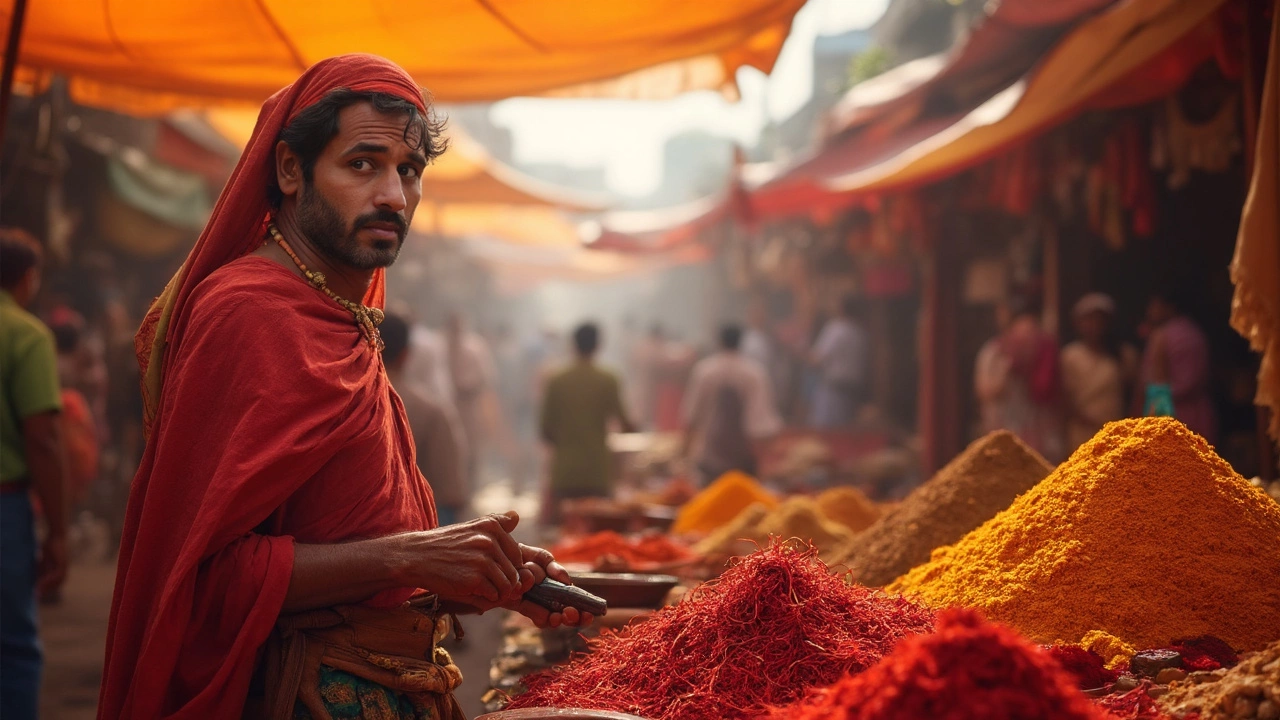
When you hear expensive food India, high-priced agricultural products that command premium prices due to rarity, labor, or cultural demand, you might think of imported truffles or exotic cheeses. But in India, the most costly foods aren’t imported—they’re grown right here, often in small patches of land by farmers who take big risks. Durian, a spiky, pungent fruit with a cult following and a long growth cycle sells for over ₹2,000 per kilo in southern states, not because it’s imported, but because it takes seven years to bear fruit and only thrives in specific microclimates. And then there’s sandalwood, a slow-growing tree whose heartwood is worth more than gold per kilo due to demand in perfumes and religious rituals, making it one of the most targeted and endangered plants in the country.
What makes these foods so expensive isn’t just scarcity—it’s the effort, time, and expertise needed to grow them. Unlike tomatoes or potatoes, you can’t just plant durian seeds and wait a season. You need precise soil pH, controlled humidity, and protection from pests that can wipe out a crop in days. Sandalwood doesn’t even produce its valuable oil until it’s 15 years old, and it needs a host tree to survive. That’s why only a handful of gardeners and small farms in Tamil Nadu, Karnataka, and Kerala dare to grow them. These aren’t just crops—they’re long-term investments that require patience, science, and a willingness to lose money for years before seeing a return. Meanwhile, the demand keeps rising. People in cities are willing to pay hundreds of rupees for a single durian because of its unique taste and status symbol. Others buy sandalwood paste for rituals, not knowing it’s often harvested illegally from protected forests.
Why This Matters for Home Gardeners
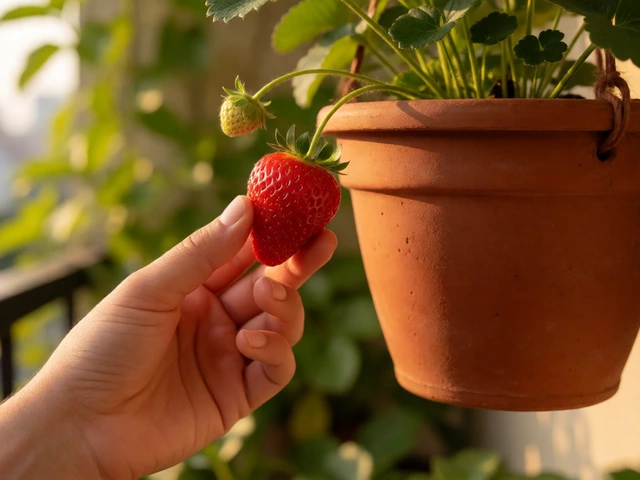
If you’re thinking about growing something unusual in your backyard or terrace, the story of expensive food India isn’t just about luxury—it’s a lesson in what’s possible with the right conditions. The same techniques that make durian profitable—smart watering, soil enrichment, microclimate control—are the same ones that help you grow better tomatoes or herbs. The gardeners who succeed with these high-value crops aren’t rich landowners. They’re people who studied their local weather, tested their soil, and learned how to use natural insecticides like neem oil to protect their plants. They didn’t wait for perfect conditions. They created them.
What you’ll find below isn’t a list of overpriced snacks. It’s a collection of real stories from Indian gardeners who turned challenges into opportunities. From why Vanda orchids are harder to grow than durian, to how compacted soil ruins even the most expensive crops, these posts show you what actually works on the ground. No fluff. No hype. Just what you need to know if you’re serious about growing something that’s not just beautiful—but valuable.
In India, the fascination with rare and costly foods isn't just about luxury but also tradition and culinary curiosity. This article dives into the realm of India's most expensive foods, revealing rare ingredients and lavish dishes with intriguing histories. From exotic saffron to truffle-infused delights, discover what makes these foods so special and how they are connected to the world of vegetable gardening. Whether you're a foodie or a gardening enthusiast, you'll find something to intrigue your taste buds and your green thumb.
Continue reading...