Expensive Fruits India: Why Some Fruits Cost More and What You Can Grow Instead
When you see a box of expensive fruits India, rare or high-demand fruits that command premium prices due to scarcity, labor-intensive cultivation, or export demand. Also known as luxury fruits, they’re often flown in from distant regions or grown under tightly controlled conditions that most home gardeners can’t replicate. Why does a single piece of kiwi, a fruit that requires cool winters and precise humidity to thrive, often sold for over ₹100 in Indian markets cost more than a kilo of bananas? It’s not just about taste—it’s about supply chains, climate limits, and how hard they are to grow locally. Most of these fruits need specific temperatures, soil pH, or pollinators that simply don’t match India’s wide-ranging weather patterns. That’s why they’re imported or grown in tiny, expensive greenhouses—making them luxury items, not everyday snacks.
Then there are sandalwood, a tree whose heartwood is so valuable it’s endangered and heavily regulated in India. While not a fruit, its story mirrors why some plants become unaffordable: high demand, low supply, and ecological damage from overharvesting. The same pressure exists for fruits like dragon fruit, a cactus fruit once rare in India but now gaining traction thanks to better farming techniques. What changed? Gardeners and small farms started using biotech gardening India, science-backed methods like soil enhancers, drought-resistant clones, and controlled irrigation to grow high-value crops more reliably. It’s not magic—it’s smart biology. And it’s making what was once expensive more accessible.
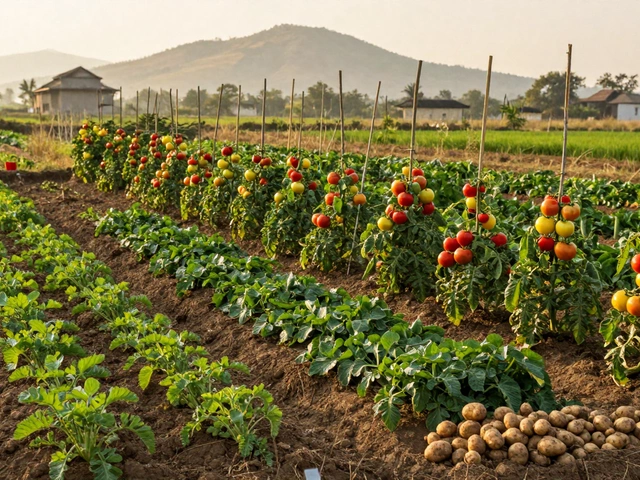
You don’t need to pay ₹500 for a single pomegranate if you know how to grow one yourself. Many of the fruits that cost a fortune in markets are actually doable at home—if you skip the guesswork. The posts below show you exactly how to fix soil, manage water, pick the right plants, and use natural tools like neem oil to keep pests away. You’ll find guides on what grows well in Indian seasons, how to use drip systems right, and how to turn a small balcony into a fruit-producing space. No imports. No middlemen. Just better, smarter gardening.
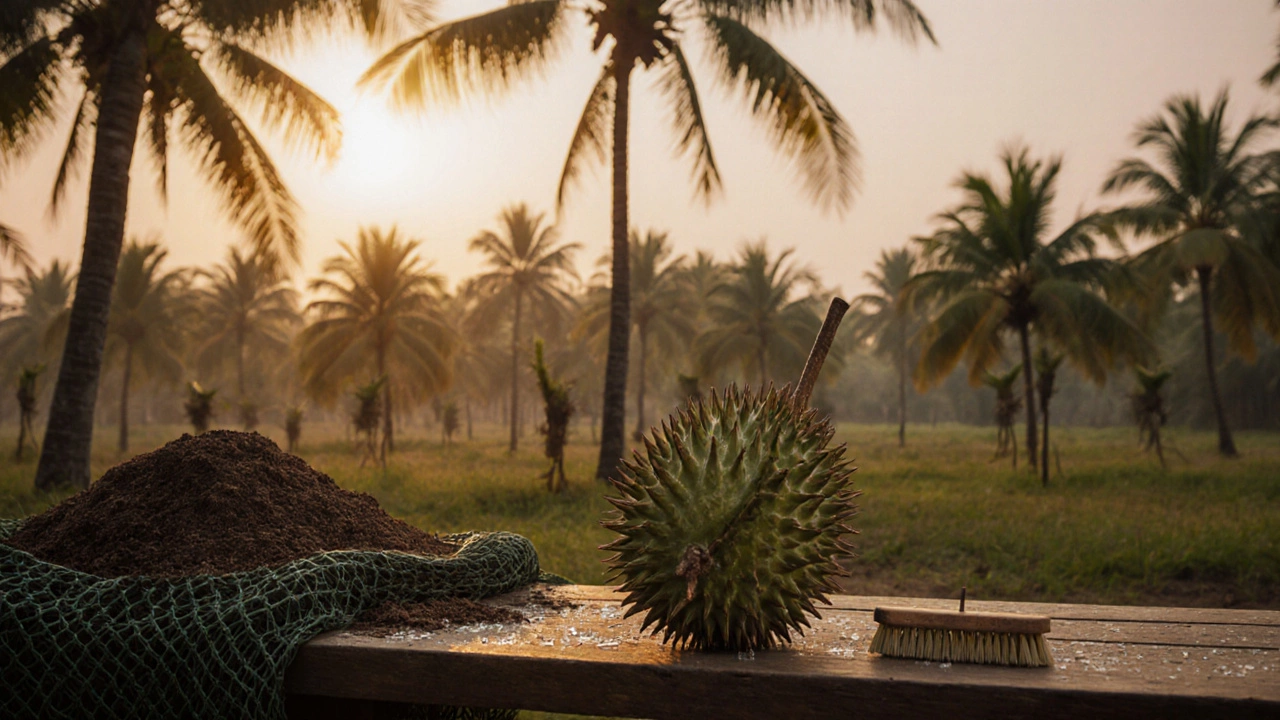
Durian is India's costliest fruit, grown locally in southern states. It commands high prices due to its rarity, long growth cycle, and cult following. Learn why gardeners are planting it and how to grow it successfully.