Filtered Water for Gardening: What Works, What Doesn’t
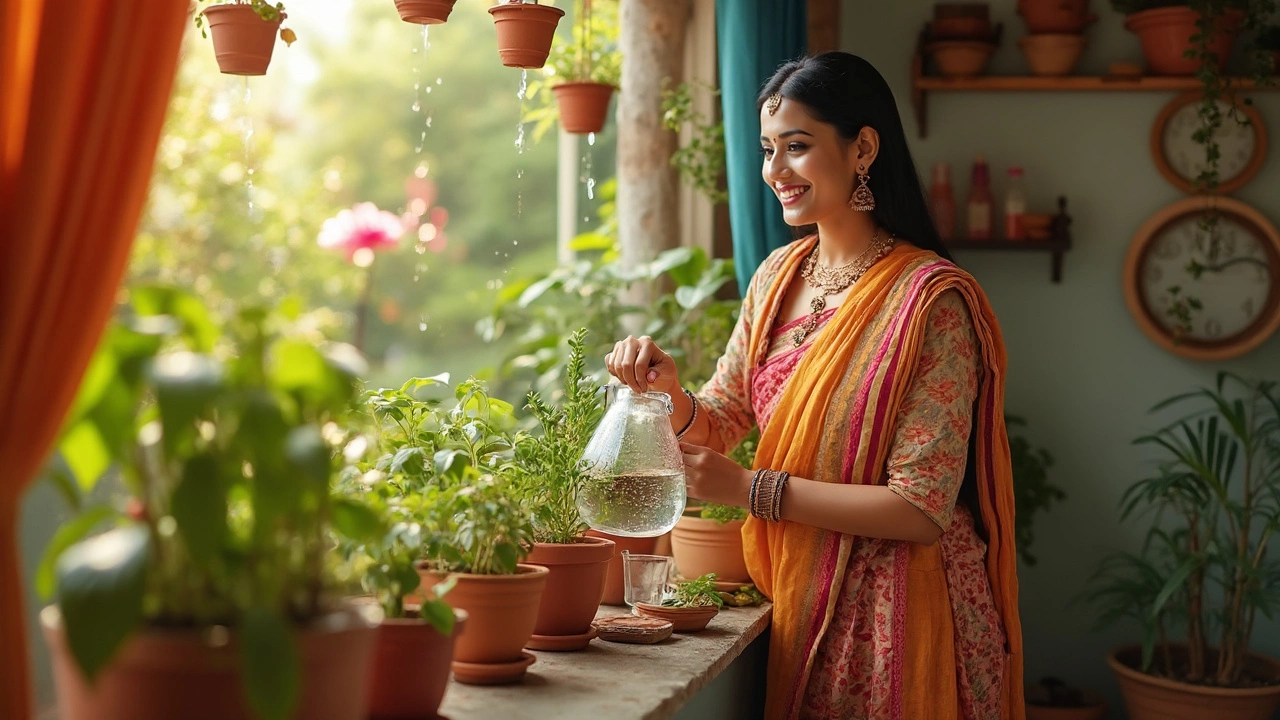
When you think of filtered water, water that’s been treated to remove impurities like chlorine, heavy metals, or sediment. Also known as purified water, it’s often seen as better for your health—but did you know it can also be better for your plants? Most gardeners assume tap water is fine, but in many parts of India, tap water carries high levels of chlorine, salts, or minerals that build up in soil over time. This isn’t just a myth—it’s why your plants might be struggling even when you water them regularly.
Drip irrigation, a system that delivers water slowly and directly to plant roots. Also known as low-flow irrigation, it’s one of the most efficient ways to water, but it’s also one of the most sensitive to water quality. If your filtered water has too many dissolved solids, those minerals can clog tiny emitter holes. On the flip side, if your water is too soft or stripped of all minerals, some plants—like tomatoes or peppers—can show signs of nutrient stress. The goal isn’t to remove everything from your water. It’s to remove the bad stuff while keeping what plants need.
Soil health, the condition of your garden soil in terms of structure, microbial life, and nutrient balance. Also known as garden soil quality, it’s directly affected by what you pour into it. Hard water with high calcium or sodium can compact soil over time, making it harder for roots to breathe. Filtered water helps slow this down, especially if you’re using it with compost or organic mulch. But filtering alone won’t fix bad soil—you still need to aerate it, add organic matter, and test pH. Filtered water isn’t a magic fix. It’s a tool. One that works best when paired with smart practices like rainwater harvesting or soaker hoses, both of which appear often in our collection.
You’ll find posts here that show you how to spot water-related problems before your plants die—like yellowing leaves from chlorine burn, or mushy roots from salt buildup. You’ll see how people in India are using simple carbon filters or even charcoal to improve their garden water. And you’ll learn why some gardeners skip filters entirely and just let tap water sit out overnight to let chlorine evaporate. There’s no one-size-fits-all answer. But there are clear patterns: if you’re using drip systems, if you’re growing sensitive plants like bonsai or orchids, or if you live in a city with hard water, filtered water makes a measurable difference.
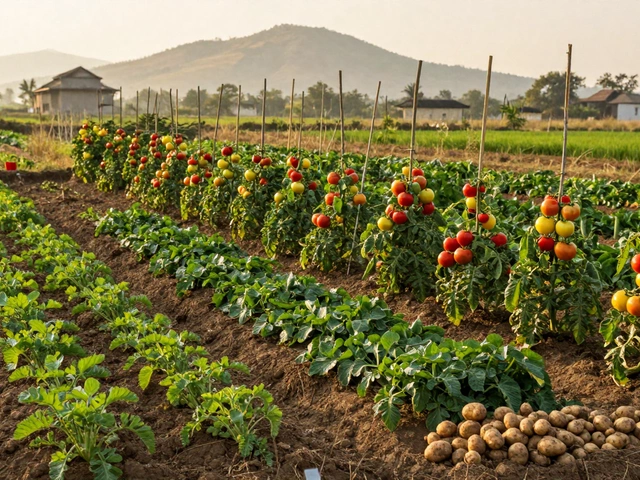
Below, you’ll find real-world advice from gardeners who’ve tried everything—from expensive reverse osmosis units to DIY charcoal filters—and figured out what actually works in Indian conditions. No fluff. No theory. Just what you can do tomorrow to give your plants cleaner water, healthier roots, and better yields.
Worried about using distilled water for your houseplants? You're not alone. Distilled water is great, but not always easy to find or cheap enough for regular use. There are some simple and safe substitutes you probably already have at home. Here’s a no-nonsense guide on what works, what doesn’t, and how to make your plants happy without shelling out for pricey water.