Garden Irrigation: Smart Ways to Water Your Plants in India
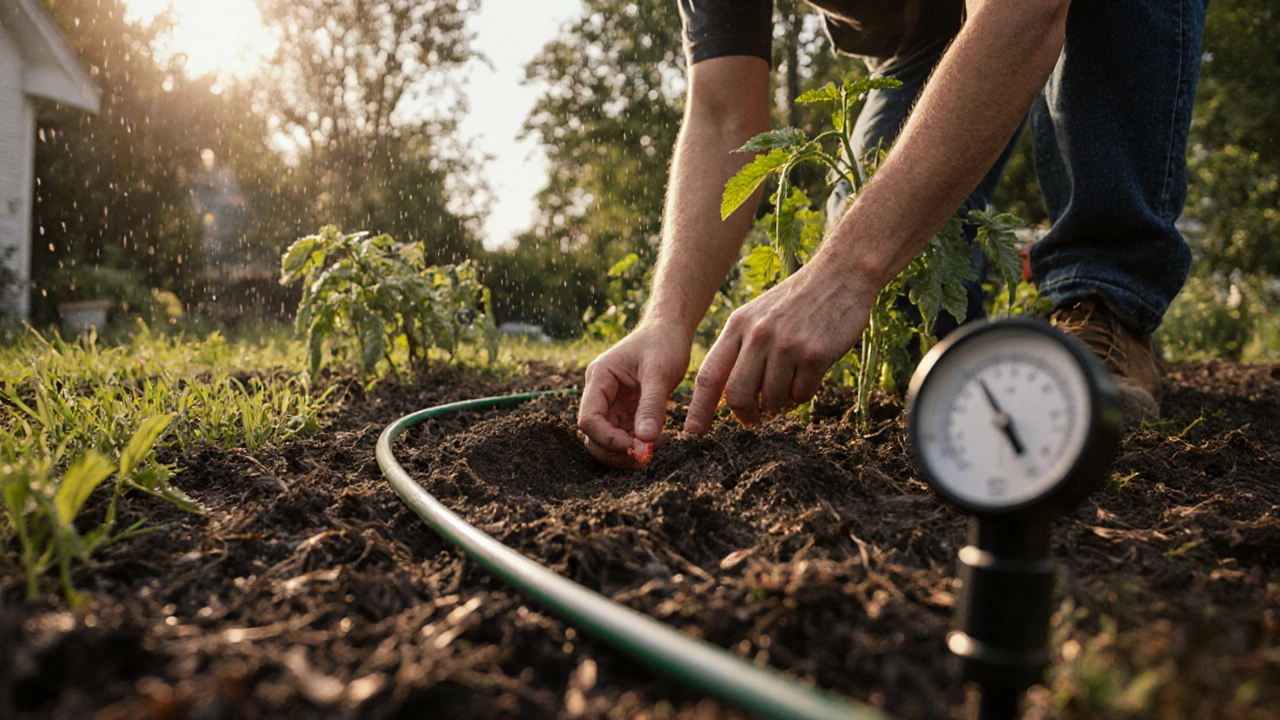
When it comes to garden irrigation, the system used to deliver water to plants in a controlled way. Also known as landscape watering, it’s not just about turning on a hose—it’s about matching water delivery to your plants’ real needs, your soil type, and India’s unpredictable weather. Most people think drip irrigation is the gold standard, but that’s only half the story. In places like Tamil Nadu or Rajasthan, where water is scarce and summers hit hard, relying only on drippers can leave your garden stressed. Better options exist—ones that cut water use even more, need less maintenance, and work with what you already have.
Soaker hoses, porous tubes that slowly seep water into the soil along their length. Also known as weeping hoses, they’re cheaper than drip systems and perfect for rows of veggies or flower beds. Then there’s mulching, a layer of organic material like straw or wood chips that traps moisture and blocks evaporation. Also known as soil cover, it’s not flashy, but it cuts watering needs by up to 70%. And if you’re serious about saving water, rainwater harvesting, collecting and storing rain from rooftops for later use in the garden. Also known as monsoon water storage, it turns India’s heavy rains from a problem into your biggest advantage. Even subsurface irrigation, a system that delivers water below the soil surface directly to plant roots. Also known as underground watering, is gaining traction among urban gardeners who want zero evaporation and no visible pipes. These aren’t just alternatives—they’re upgrades.
What you’ll find below isn’t a list of generic tips. These are real fixes from Indian gardeners who’ve been there—people who’ve watched their bonsai turn yellow from too much water, who’ve fought compacted soil on terraces in Mumbai, who’ve turned hot balconies into green oases using smart watering tricks. You’ll learn why drip emitters sometimes fail, how to design a zone that actually works, and why the best irrigation system is often the one you don’t even notice. No fluff. No theory. Just what keeps plants alive when the power’s out, the tap’s dry, and the sun won’t quit.
Running drip irrigation every day is usually a mistake. Learn the right schedule for your plants, how to check soil moisture, and how to adjust for seasons and weather in the UK.