Garden Soil Tips: Fix, Revitalize, and Optimize Your Soil for Better Plants
When you think about growing strong plants, you probably imagine watering, sunlight, or fertilizers—but none of that matters if your garden soil, the living foundation where roots grow and nutrients move. Also known as growing medium, it’s the one thing that affects every single plant you put in the ground. Most gardeners in India skip this step, and that’s why their plants struggle—even with the best seeds or fancy tools. Healthy soil isn’t just dirt. It’s alive. It breathes. It holds water without drowning roots. It feeds plants slowly, not all at once.
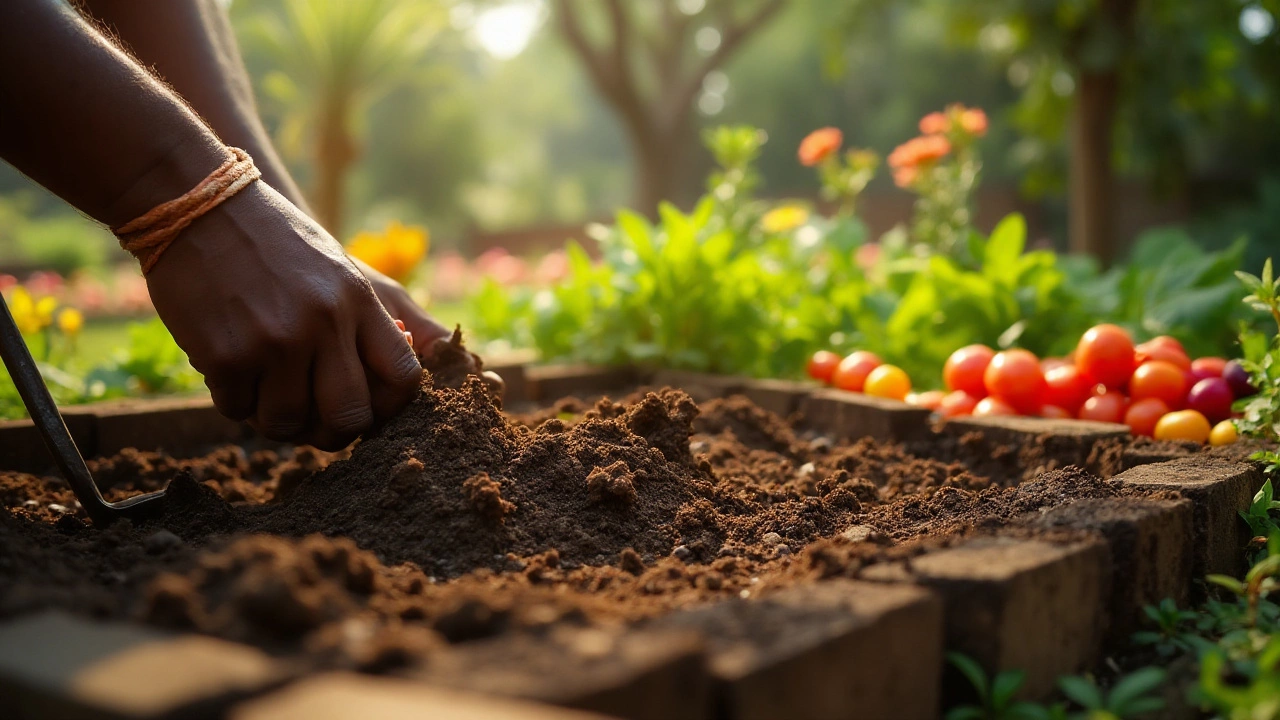
That’s why compacted soil, dense, hard-packed earth that blocks air and water. Also known as hard soil, it’s the silent killer of home gardens. You walk on it, you water it, and it just sits there like concrete. Roots can’t reach down. Water pools on top. Plants turn yellow and give up. The fix? You don’t need a tiller or chemicals. Just soil amendment, adding organic matter like compost, leaf mold, or well-rotted manure to improve structure. Mix it in. Let worms do the rest. Then cover it with mulch, a protective layer that keeps moisture in and weeds out. That’s it. No magic. Just science.
And if your soil is old, tired, or has been used for years without a break? That’s where revitalize garden soil, the process of restoring life, nutrients, and structure to exhausted earth. comes in. You test the pH, add lime or sulfur if needed, feed it with compost tea, and let microbes rebuild the food web. This isn’t about buying expensive bags. It’s about understanding what your soil is missing—and giving it back. The same soil that failed last year can become the richest patch in your garden this season.
You’ll find posts here that show you exactly how to check if your soil is compacted, how to make your own compost for soil health, and why skipping fertilizer sometimes works better than using it. We cover what to do when your soil drains too fast, how to fix clay-heavy ground without digging it all up, and why rainwater harvesting helps more than you think. These aren’t theory posts. They’re real fixes from gardeners who’ve been there.
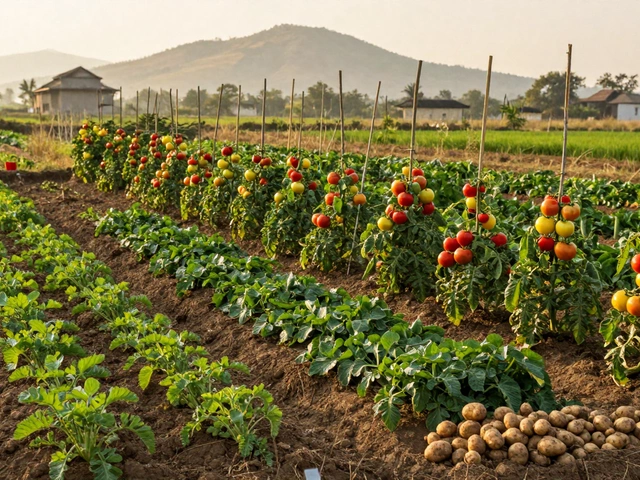
Whether you’re growing tomatoes in pots on a balcony or veggies in a backyard plot, your soil is the first and last thing you need to get right. Stop guessing. Start fixing. The plants will thank you.
Selecting the right soil for raised garden beds can greatly influence the health and yield of your plants. The ideal soil mix should offer excellent drainage, adequate nutrients, and a proper balance of organic material. Understanding soil layers helps gardeners blend their own optimal mix using local resources. Tips such as using compost and maintaining the pH level can enhance soil quality and plant growth.
Continue reading...