Grow Rice: How to Successfully Grow Rice in India with Biotech Tips
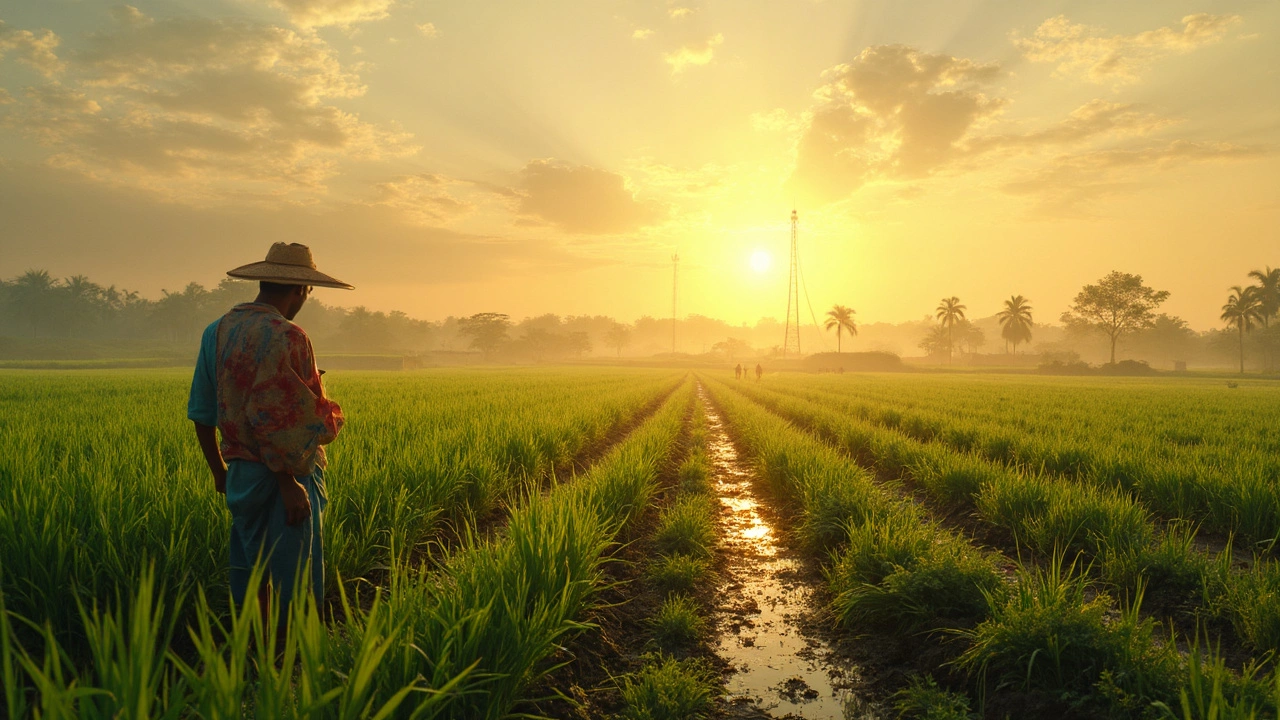
When you want to grow rice, a staple crop that feeds over half of India’s population and thrives in wet, warm conditions. Also known as paddy, it’s not just a field crop—it can be grown in containers, raised beds, and even urban terraces if you know how to manage water and soil. Most people assume rice needs endless flooding, but that’s outdated. Modern methods, backed by biotech research, let you grow rice with 40% less water while still getting healthy yields. This isn’t science fiction—it’s what farmers and home gardeners in Kerala, West Bengal, and even Delhi rooftops are doing right now.
To grow rice, you need more than just seeds and mud. You need water management, a precise system that avoids both drought and drowning. And soil health, because rice doesn’t just grow in dirt—it grows in living, nutrient-rich earth. Most failed rice attempts happen because people either overwater like they’re flooding a pond or use compacted, lifeless soil. The fix? Aeration, compost, and smart irrigation like drip systems tuned for paddy. You don’t need a 10-acre field. Even a 5x5 foot space can give you enough rice for a few meals if you get the basics right.
Temperature matters too. Rice in India isn’t the same as rice in Thailand. Indian seasons mean monsoon rains, dry winters, and scorching summers. The best varieties for home growers—like Swarna or Samba Mahsuri—are bred to handle these swings. And here’s the thing: you don’t have to wait months to see results. With biotech-enhanced seedlings and soil boosters, you can cut growing time by 2–3 weeks. That’s not marketing—it’s what Central BioTech Gardening’s field tests show in Tamil Nadu and Punjab gardens.
What you’ll find below isn’t a list of generic tips. It’s real-world advice from gardeners who’ve tried the old ways and switched to smarter ones. You’ll read about how to avoid root rot in wet soil, how to use neem oil to stop pests without killing beneficial bugs, and why drip irrigation isn’t always the answer—even for rice. There’s a post on fixing compacted soil that turns clay into something rice actually likes. Another shows how to use rainwater harvesting to cut costs. And yes, there’s one on the toughest plant to grow in India’s climate—because if you can handle Vanda orchids, rice is easy.
Grow rice isn’t about tradition. It’s about efficiency. It’s about feeding yourself with less water, less chemical input, and more confidence. The posts below give you exactly what you need—no fluff, no theory, just what works in Indian homes and backyards right now.
Growing rice in poor soil might seem impossible, but with the right methods and knowledge, it can be done. This article explores the viability of cultivating rice in less-than-ideal soil conditions, offering practical tips and insights to help farmers succeed. From choosing the right rice varieties to understanding soil enhancement techniques, readers will gain a comprehensive understanding of how to overcome unfavorable soil challenges. Discover strategies to improve yields and ensure crop success even in challenging environments.
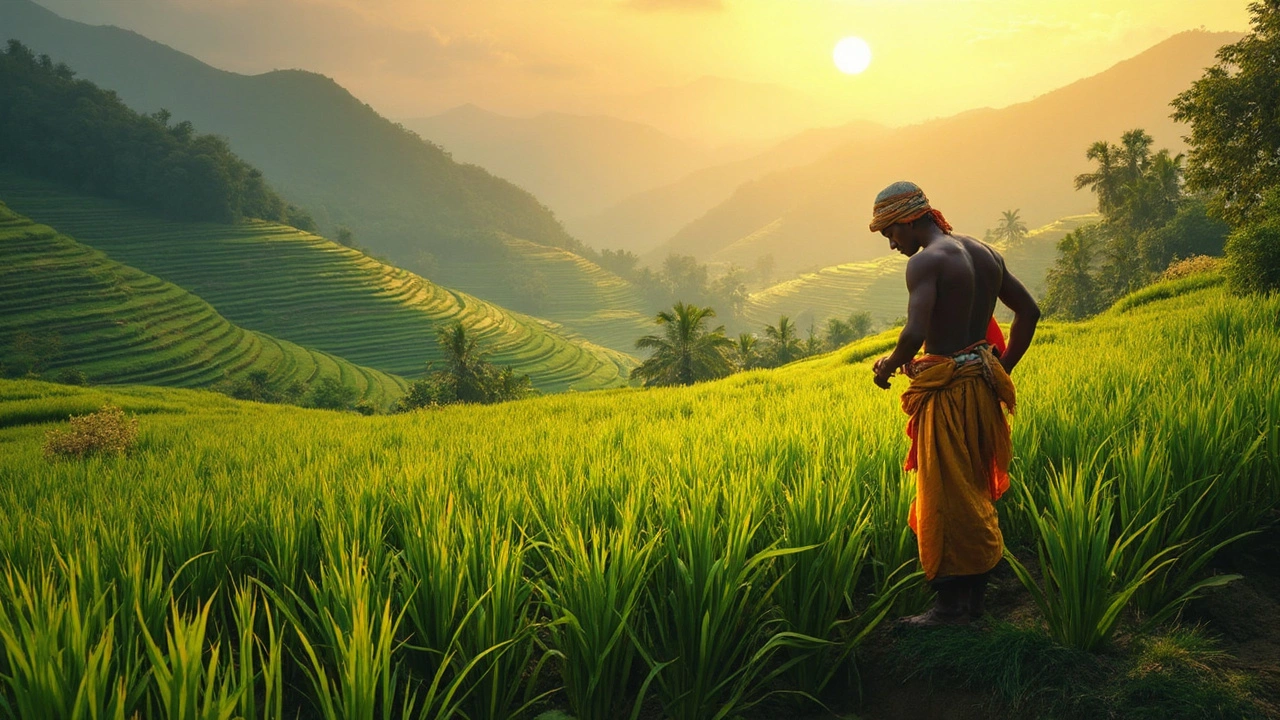
Growing rice successfully starts with choosing the right kind of land. Rice needs environments with the right water management, soil type, and temperatures. Understanding these key factors can make or break a successful rice yield. Learn about the best conditions for rice farming, including topography, climate, and soil properties. This guide provides practical tips and interesting facts to help growers optimize their rice production.