Grow Vegetables Direction: Best Ways to Plant for Maximum Yield
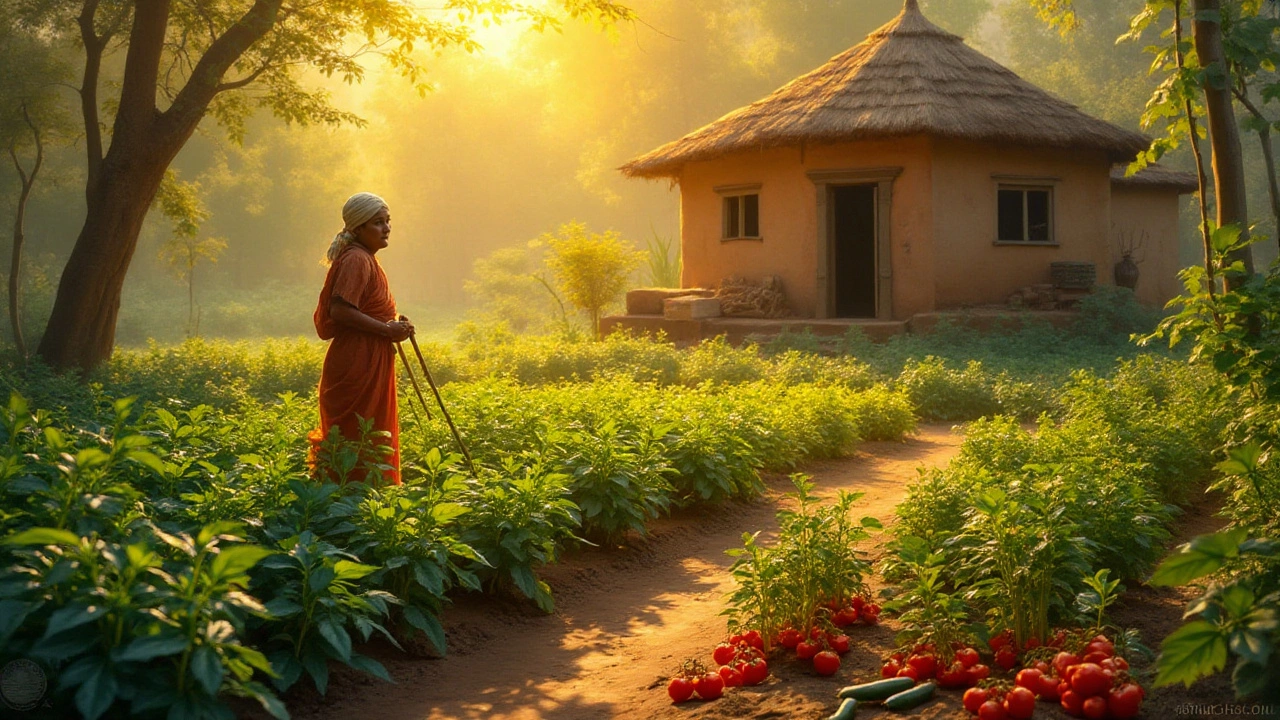
When you grow vegetables direction, the way you orient your rows and beds affects how much sun your plants get, how well water drains, and even how pests move through your garden. Also known as garden orientation, it’s not just about facing east or west—it’s about matching your plants’ needs to your space’s real-world conditions. Most people think any sunny spot works, but that’s where they lose half their yield. In India, where monsoons hit hard and summer heat can fry seedlings, getting the direction right makes the difference between a few tomatoes and enough to feed your family.
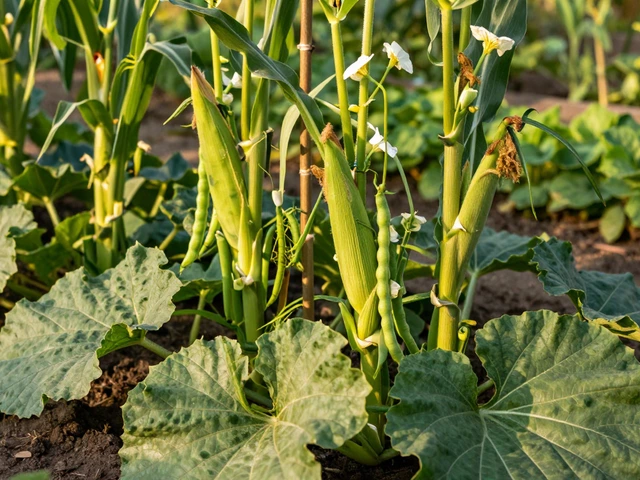
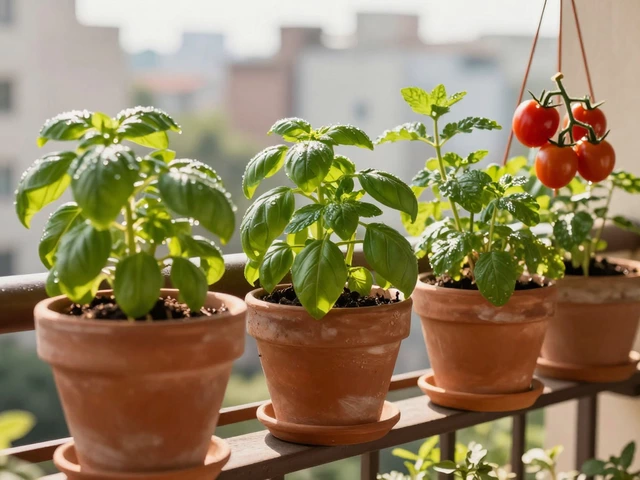
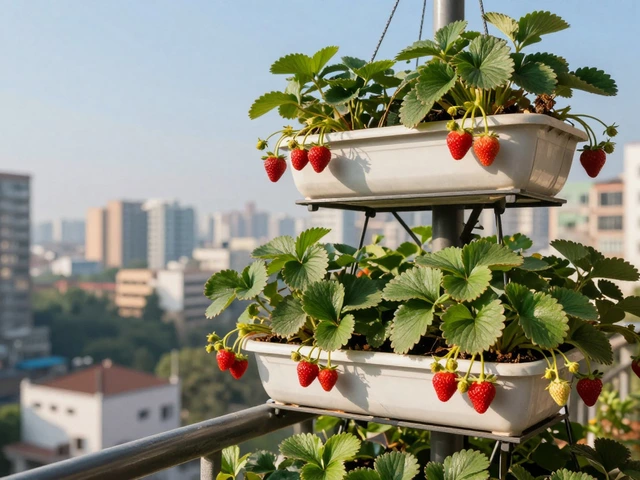
Vegetables like tomatoes, peppers, and eggplants need at least 6 to 8 hours of direct sun. That means planting them in a row running north to south, so both sides of the row get even light all day. If you plant east to west, the tall plants on the north side will shade the shorter ones on the south. That’s why you see weak, leggy plants in crowded gardens—no one checked the sun path. Even in small spaces like balconies or terraces, you can use containers and rotate them weekly to follow the sun. A sun exposure for veggies, how much sunlight different crops need to thrive isn’t a guess—it’s science. Leafy greens like spinach and lettuce can handle a little shade, so put them where they get morning sun and afternoon shade. Root crops like carrots and radishes need deep, loose soil and full sun, so avoid planting them under trees or next to tall walls.
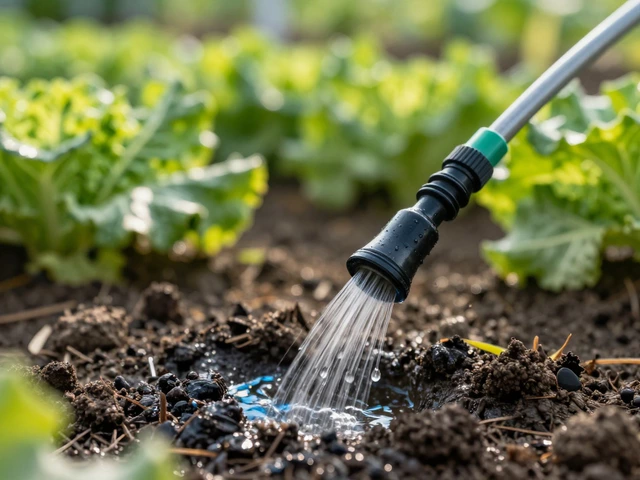
Direction also affects airflow. In humid Indian cities, poor airflow means mold, mildew, and fungus spread fast. If your rows run parallel to the wind, air moves through cleanly. If they’re blocked by a wall or fence, moisture gets trapped. That’s why raised beds and vertical gardens work so well—they lift plants off damp ground and let air circle each plant. And don’t forget soil. If your soil is compacted, no amount of perfect direction will help. You need to loosen it, add compost, and give roots room. The posts below show real fixes for hard soil, smart watering systems, and how to pick the right veggies for your balcony or terrace. You’ll find out which vegetables grow best in small spaces, how to set up drip irrigation without wasting water, and why some gardeners in southern India are switching to south-facing beds to beat the heat. No fluff. Just what works.
Choosing the right direction for your vegetable garden can make a world of difference in its success. It's crucial to understand how sunlight, wind, and garden layout contribute to growing thriving vegetables. With strategic planning and simple tips, even beginners can create an optimal environment for their plants. Explore these practical insights to maximize growth and enjoy bountiful harvests.