Health Benefits of Gardening: How Plants Improve Your Wellbeing
When you dig into the soil, plant seeds, or water your herbs, you're not just growing food—you're healing yourself. Health benefits, the positive impacts on your body and mind from regular gardening activities. Also known as therapeutic horticulture, it's not a trend—it's biology. Studies show people who garden regularly have lower cortisol levels, better sleep, and stronger immune systems. You don’t need a big plot. Even a few pots on a balcony can trigger these changes.
Think of gardening, the practice of cultivating plants for food, beauty, or personal well-being. Also known as home horticulture, it is one of the few activities that combine physical movement, mental focus, and emotional reward. Lifting bags of soil, kneeling to weed, or reaching for high branches gives you full-body exercise without stepping into a gym. Meanwhile, watching your tomatoes ripen or smelling jasmine after rain gives your brain a break from screens and stress. In India, where urban life is fast and crowded, this quiet connection to earth becomes a lifeline.
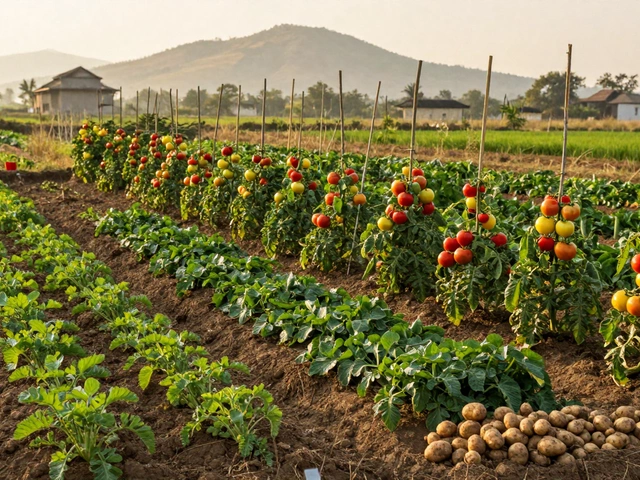
And it’s not just about exercise or calm. Growing your own food means you eat organic food, produce grown without synthetic pesticides or fertilizers. Also known as chemical-free produce, it is richer in nutrients and free from residues linked to long-term health issues. When you grow your own spinach, chili, or coriander, you know exactly what went into it—no mystery chemicals, no long truck rides. That’s why more families in Pune, Bengaluru, and Jaipur are turning rooftops and balconies into kitchen gardens. They’re not just saving money—they’re protecting their health.
Then there’s the mental side. mental health, a person’s emotional and psychological well-being. Also known as emotional resilience, it improves when you’re tied to a routine that’s gentle, predictable, and rewarding. Gardening gives you small wins every day: a new leaf, a bud opening, a harvest. These moments build confidence and quiet the noise in your head. People with anxiety or depression often report feeling more grounded after spending time with plants. It’s not magic—it’s neuroscience. Your brain responds to natural rhythms, green colors, and the smell of damp earth.
You’ll find all this reflected in the posts below. From how neem oil keeps pests away without chemicals, to fixing compacted soil so your plants—and your body—can thrive, to growing durian or jasmine in India’s climate, every article connects back to one truth: gardening isn’t just about plants. It’s about how they make you feel, move, eat, and live better. Whether you’re watering a bonsai or harvesting veggies on a 10x10 balcony, the health benefits are real, measurable, and waiting for you to get your hands dirty.
Is brinjal (eggplant) really a healthy pick for your plate, or should you think twice before adding it to your garden? This article uncovers the real story—nutritional perks, possible downsides, and how it fits with daily Indian eating habits. You’ll get practical tips for growing and eating it, plus some warnings that might surprise you. Whether you're a veggie lover or a skeptic, this is the no-nonsense breakdown you need. Get ready to see brinjal differently—maybe for the better, maybe not.