Healthy Plants: How to Grow and Keep Them Thriving in Indian Gardens
When you think of healthy plants, plants that grow strong, resist pests, and produce well without chemical help. Also known as vibrant garden life, they’re not just about green leaves—they’re a sign your whole garden system is working right. Most people think healthy plants mean no bugs or perfect leaves. But real health comes from strong roots, balanced soil, and the right amount of water—not from sprays or fancy feeds. In India’s hot, uneven climate, where monsoons flood one month and drought hits the next, healthy plants are built, not bought.
Soil health, the living ecosystem under your plants that feeds them naturally. Also known as living dirt, it’s the foundation everything else depends on. Compacted, lifeless soil kills more plants than pests. That’s why fixing hard soil with compost and aeration shows up in so many of our posts—it’s not optional. Healthy plants need air, water, and microbes in the ground. If your soil is like concrete, no amount of fertilizer will fix it. Then there’s natural insecticide, a safe, plant-based way to stop pests without poisoning bees or your veggies. Also known as organic pest control, it’s the smart alternative to chemicals. Neem oil isn’t magic—it’s science. It works because it disrupts pests’ life cycles without harming the good bugs. And when you combine that with a smart watering schedule, when and how much to water based on plant type, season, and soil. Also known as smart irrigation, it’s the difference between thriving and dying. Running drip irrigation every day? That’s usually the problem. Overwatering kills bonsai trees, rots roots, and invites fungus. Healthy plants tell you what they need—if you know how to listen.
Healthy plants don’t need perfection. They need consistency. They need compost to feed them, mulch to hold moisture, and space to breathe. They need you to check the soil before watering, not just follow a calendar. They need you to see yellow leaves not as a failure, but as a clue. The posts below show you exactly how to do this—not with theory, but with real results from Indian gardens. You’ll find out why some plants thrive in tiny balconies while others fail, how to revive tired soil without spending a rupee, and which natural solutions actually work when the heat hits 40°C. This isn’t about having a picture-perfect garden. It’s about growing plants that survive, grow, and feed you—no matter the weather.
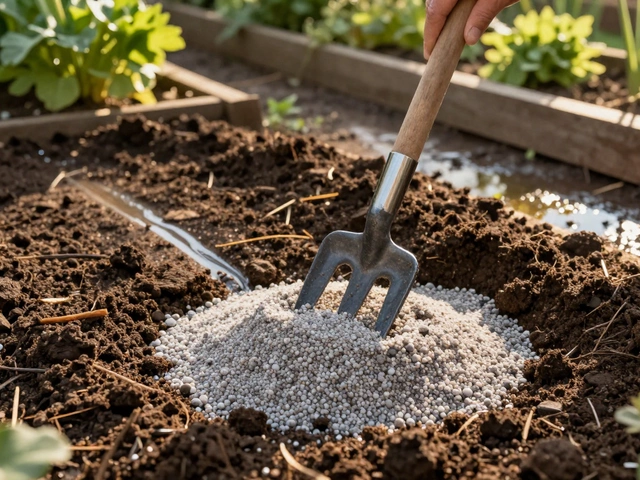
Healthy plants need more than just water and sunlight—they need a balance of minerals in the soil. This article breaks down what causes mineral depletion, signs to watch out for, and hands-on ways you can recharge your garden soil. Find out which amendments actually work and how to use common tools to check on your progress. Dig in for simple, practical tips that anyone can follow—even if you’re just starting with your first backyard patch.