Holy Basil: The Sacred Plant for Health, Garden, and Home in India
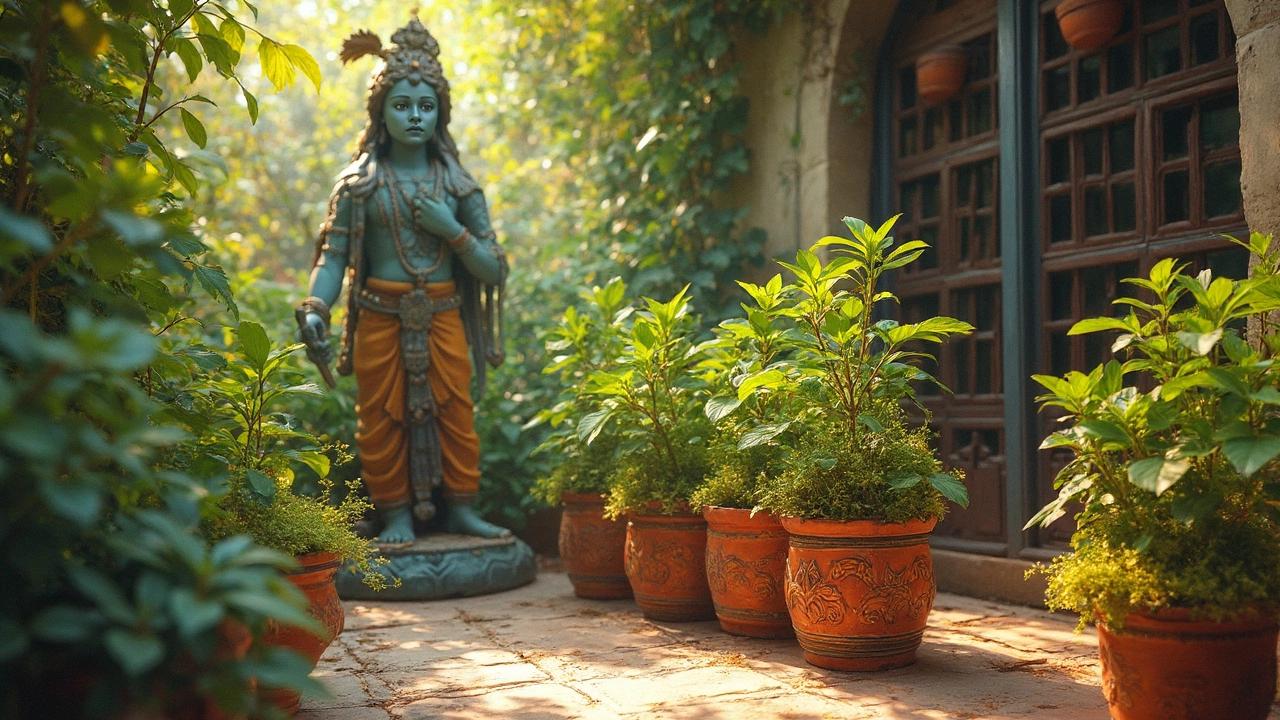
When you think of holy basil, a sacred, aromatic herb deeply rooted in Indian culture and Ayurvedic medicine. Also known as tulsi, it's not just a plant—it's a daily ritual in millions of Indian households. You’ll find it growing near doorways, in clay pots on balconies, or tucked into temple courtyards. But holy basil isn’t just symbolic. It’s a powerful natural remedy, a pest-repelling ally in the garden, and one of the easiest medicinal plants to grow in India’s varied climate.
What makes holy basil so special isn’t just its scent or spiritual status—it’s what it does. Its leaves contain eugenol, camphor, and other compounds that help fight colds, reduce stress, and even calm inflammation. Unlike synthetic medicines, you can grow it yourself, harvest fresh leaves daily, and brew them into tea without any chemicals. It also acts as a natural insect deterrent. When planted near vegetables like tomatoes or peppers, it keeps aphids and whiteflies away without needing sprays. That’s why gardeners in Bangalore, Pune, and even small towns in Uttar Pradesh keep it close—not because it’s traditional, but because it works.
It thrives in warm, sunny spots with good drainage, making it perfect for Indian balconies, terraces, and backyard plots. You don’t need fancy soil or drip systems—just a little sun, occasional water, and no overcare. Compare that to the Vanda orchid, which needs perfect humidity and airflow, or durian trees that take years to bear fruit. Holy basil gives back fast. Within weeks of planting, you’ll have leaves to use in tea, soups, or even as a natural air freshener. And if your soil is compacted or tired? Adding compost around your tulsi plant helps revive it, just like it does for the rest of your garden.
People often confuse holy basil with other basil varieties, but tulsi is different. It’s tougher, more aromatic, and packed with adaptogens that help your body handle stress. While neem oil gets attention for pest control, holy basil works alongside it—planting both creates a natural defense system. And unlike endangered plants like sandalwood, tulsi is abundant, easy to propagate from cuttings, and safe to grow anywhere.
What you’ll find in the posts below isn’t just theory. It’s real advice from gardeners who’ve learned how to grow holy basil successfully in India’s heat, monsoons, and dry spells. You’ll see how it fits into self-sustaining gardens, how it pairs with homemade fertilizers, and why it’s one of the few plants that actually improves when you stop overwatering it. Whether you’re growing it for health, for your balcony, or just because it belongs in your home—this is the plant that doesn’t ask for much but gives you everything.
India, a land rich in culture and tradition, holds the Tulsi plant in high esteem due to its sacred status. Tulsi, also known as Holy Basil, is cherished for both its spiritual significance and medicinal properties. Beyond its religious importance in Indian households and temples, Tulsi offers a variety of health benefits and is used in many traditional remedies. This article delves into Tulsi's role in Indian culture, its beneficial properties, and tips for growing this revered plant in your garden.