Horticulture Technology: Smart Ways to Grow Plants in India
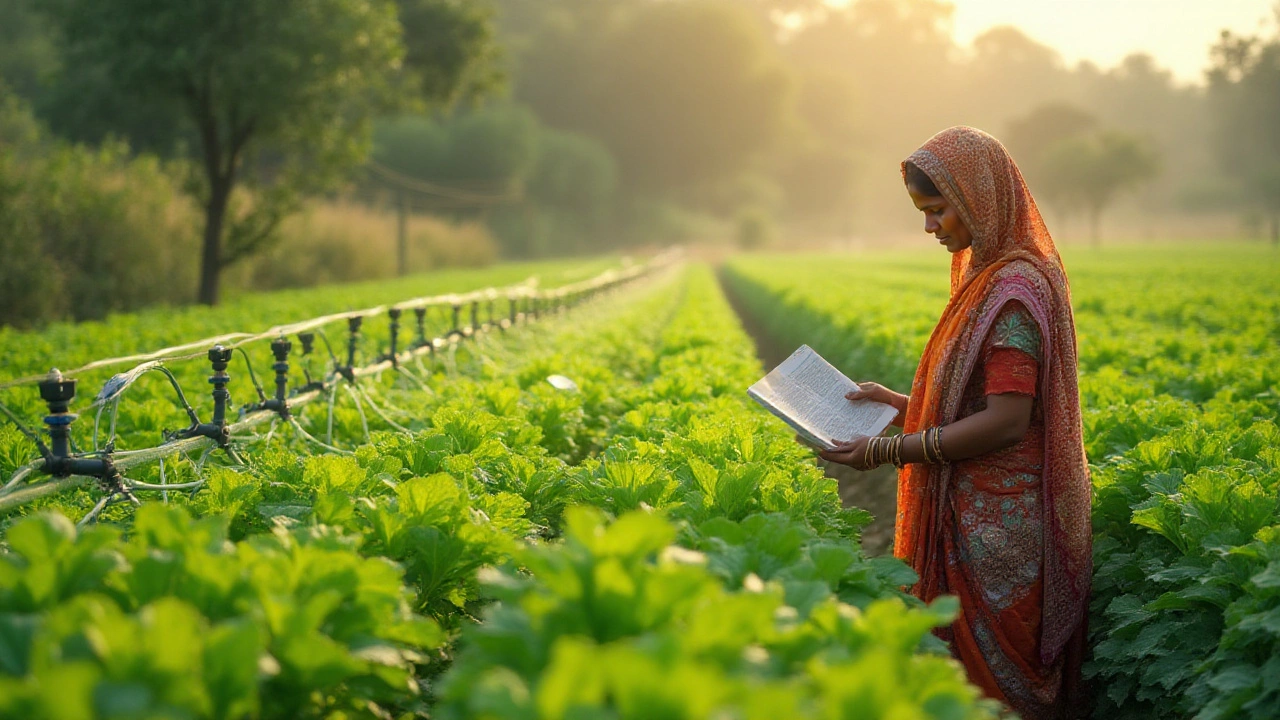
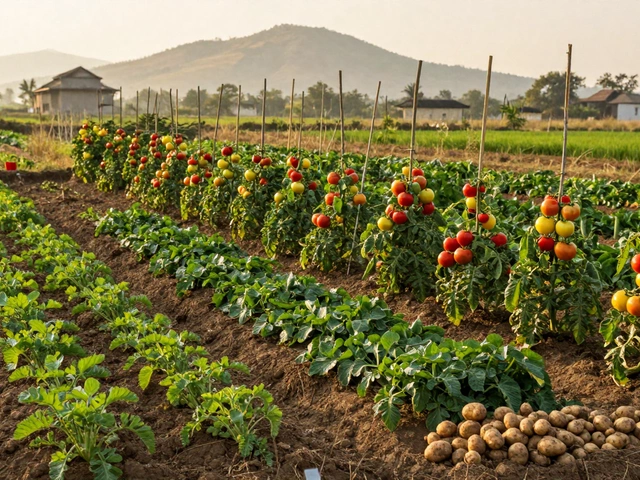
When you hear horticulture technology, the use of science and tools to improve plant growth in gardens and farms. Also known as modern gardening tech, it’s not about fancy gadgets—it’s about doing less work and getting better results. In India, where water is scarce and soil gets tired fast, horticulture technology isn’t optional. It’s the difference between a few weak plants and a thriving garden that feeds your family and saves money.
It starts with how you water. Most people think drip irrigation is the best, but it’s not always enough. Soaker hoses, porous tubes that slowly leak water into the soil can be cheaper and more even. Then there’s rainwater harvesting, collecting and storing rain for later use—something every rooftop gardener in Mumbai or Pune can do with a barrel and a downspout. And when pests show up, you don’t need chemicals. Neem oil, a natural spray made from tree seeds that stops bugs without hurting bees works better than most store-bought sprays. These aren’t theory—they’re what real gardeners in India use every day.
But tech isn’t just about tools. It’s about understanding your soil. Compacted soil is the silent killer of plants. You can fix it with compost, mulch, and a little elbow grease—no expensive machines needed. And if you’re growing something tricky like a Vanda orchid or durian tree, you need more than luck. You need data: humidity levels, drainage patterns, light hours. That’s horticulture technology too—using observation to make smarter choices. The posts below show you exactly how. You’ll find out why watering daily ruins bonsai trees, how to build a self-sustaining garden with just rain and compost, and which vegetables actually thrive on a tiny balcony in Delhi’s heat. No fluff. No guesswork. Just what works in Indian conditions.
Drip irrigation saves water but comes with a high upfront price tag. Learn why it's expensive, what drives the costs, and how gardeners can make it more affordable.
Continue reading...