House Plants: Best Care Tips and Common Mistakes in Indian Homes
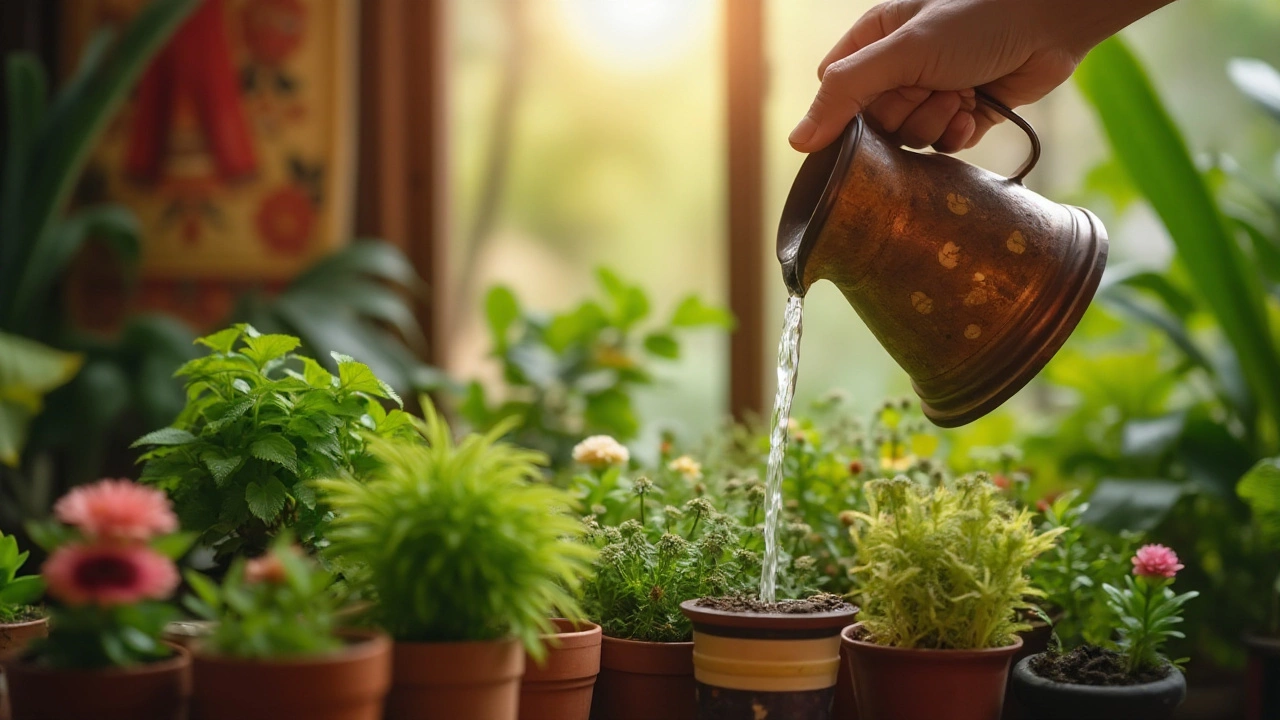
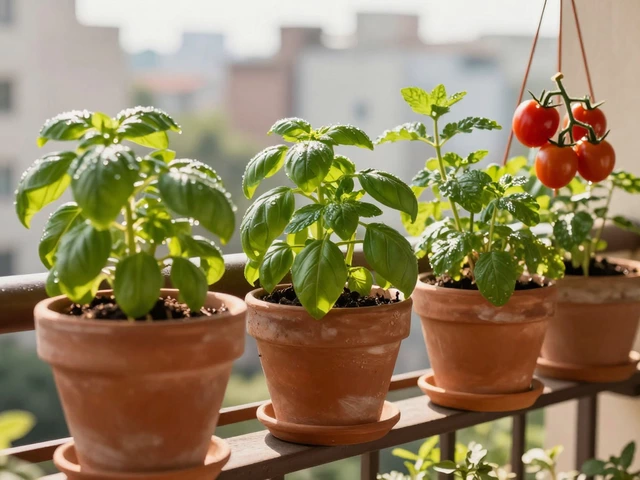
When you bring a house plant, a plant grown indoors for decoration and air quality. Also known as indoor plant, it into your home, you’re not just adding greenery—you’re bringing a living system that reacts to light, humidity, and how you water it. Most people think house plants are low-maintenance, but in India’s dry winters and humid monsoons, they need specific care that’s often ignored. The truth? The same plant that thrives in a Mumbai apartment might die in a Delhi balcony because of how the air and soil behave differently.
One of the biggest problems? overwatering, giving plants too much water, which leads to root rot and death. It’s the #1 killer of house plants in India. People water daily because they see dry soil and assume the plant is thirsty. But soil can look dry on top while staying wet below—especially in clay pots or poor-draining mixes. Then there’s soil health, the condition of the growing medium that affects root growth and nutrient uptake. Most store-bought potting mixes break down in 6–8 months, turning into compacted mud that suffocates roots. You don’t need fancy fertilizers—you need fresh soil, proper drainage, and to stop watering on a schedule.
House plants in India aren’t just about aesthetics. They’re tied to air quality, mental calm, and even energy flow in homes. But they’re not magic. They respond to real things: sunlight angles, humidity levels, and how often you check the soil with your finger. A snake plant can go weeks without water. A peace lily screams for drink when it droops. A fiddle leaf fig won’t survive in a dark corner, no matter how much you pray. The plants that last aren’t the most expensive ones—they’re the ones you learn to read.
Below, you’ll find real fixes for the problems most Indian households face with house plants. No fluff. No theory. Just what works: how to tell if your plant is drowning, what soil to use in monsoon season, which plants actually clean the air, and why your spider plant keeps turning brown at the tips. These aren’t generic tips copied from blogs. They’re solutions tested in Indian homes—with ACs running, fans spinning, and sunlight coming through narrow balconies. You’ll learn how to stop killing your plants and start enjoying them.
Deciding whether tap water is suitable for indoor plants can be a tricky business. While many houseplants can thrive on tap water, the minerals and chemicals it contains may not be ideal for all species. Learn how to determine if your home tap water is fit for your houseplants, explore alternatives, and discover tips on how to improve the quality of water for optimal plant health.