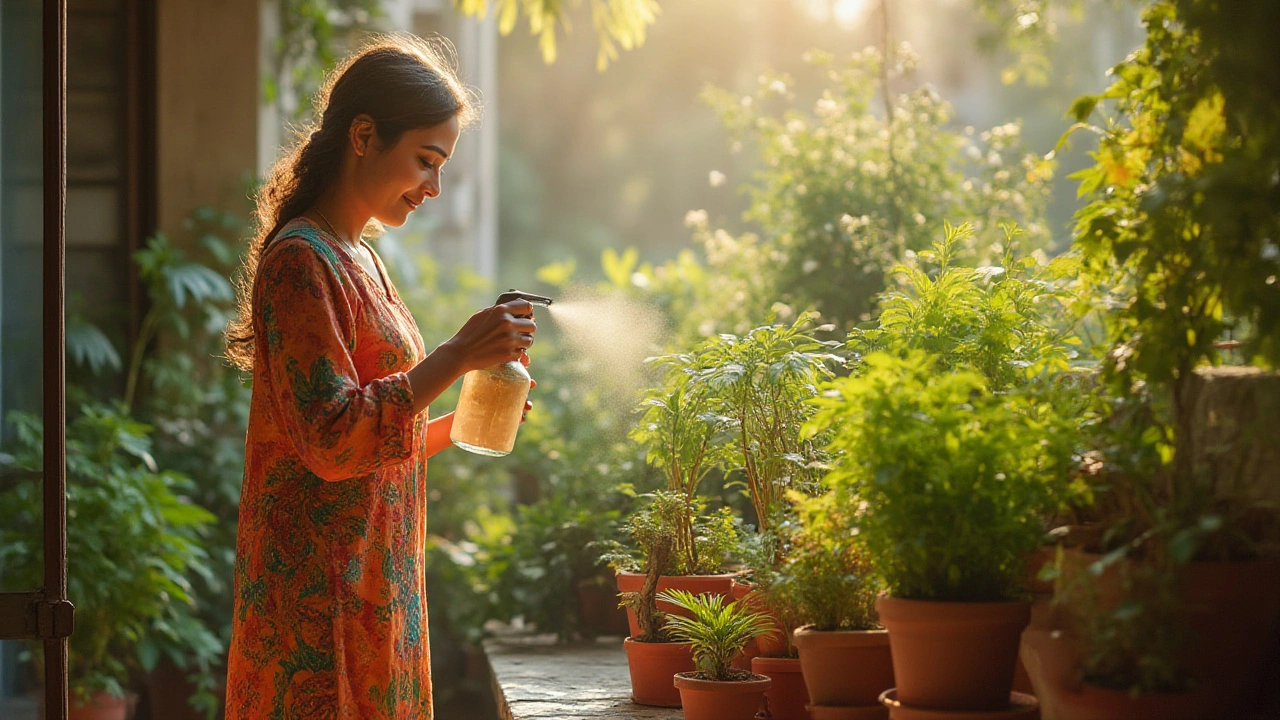
Houseplant Pest Control: Natural Ways to Stop Bugs Without Chemicals
When your houseplant pest control, the methods used to identify and eliminate insects that damage indoor plants without harming people or pets. Also known as indoor plant pest management, it's not about killing every bug you see—it's about stopping infestations before they kill your plants. Most people reach for sprays too fast. But the real fix starts with understanding what’s actually crawling on your pothos or spider plant. Spider mites, fungus gnats, scale, and aphids don’t just show up out of nowhere. They come from new plants, open windows, or even dirty pots. And once they’re in, they multiply fast—especially in dry, warm homes.
Neem oil, a natural extract from the neem tree that disrupts insect feeding and reproduction. Also known as botanical insecticide, it’s one of the few solutions that works on almost all common houseplant pests without killing beneficial insects or poisoning your pets. It’s not magic—it’s science. Neem oil coats bugs, blocks their breathing pores, and messes with their hormones so they can’t lay eggs. You mix it with water and a drop of dish soap, spray it on leaves (top and bottom), and repeat every 5-7 days. No other natural option comes close in effectiveness. Other remedies like rubbing alcohol or soap sprays only kill on contact. Neem stops the cycle.
But here’s what most guides miss: organic pest control, using non-synthetic, plant-based, or physical methods to manage pests in indoor environments isn’t just about sprays. It’s about environment. Fungus gnats thrive in soggy soil. Spider mites love dry air. If your plant’s roots are sitting in water, no spray will fix that. You need to adjust watering, improve airflow, and isolate new plants for two weeks before bringing them near your others. Sticky traps catch adults, but they don’t stop eggs. A weak plant attracts pests. A healthy one fights back.
You don’t need a greenhouse or a PhD to win this battle. You just need to know what you’re dealing with. A tiny white speck on the underside of a leaf? That’s probably spider mites. Black flies buzzing around the soil? Fungus gnats. Bumpy brown bumps on stems? Scale insects. Each one needs a slightly different approach. And while you’re at it, check your pots. Old soil can harbor eggs. Clean pots with vinegar and water before reusing them. Wipe leaves monthly with a damp cloth—it stops pests from settling in.
What you’ll find in the posts below aren’t generic tips or fluff. These are real, tested fixes from gardeners who’ve lost plants to pests and figured out how to bring them back. You’ll see how neem oil works in practice, why some "natural" remedies fail, and how to spot early signs before your plant turns into a bug buffet. No jargon. No hype. Just what works—right now, in your living room, with plants you already own.