Imported Vegetables: What You Need to Know Before You Buy
When you buy imported vegetables, produce shipped from other countries, often under controlled conditions to meet export standards. Also known as foreign-grown produce, it’s become a normal part of Indian grocery shelves—especially in cities. But just because it’s available doesn’t mean it’s better. Many people assume imported veggies are cleaner, fresher, or more nutritious. The truth? Often, they’re just older. They spend days in transit, lose nutrients, and arrive with a carbon footprint that could feed a small family for a month.
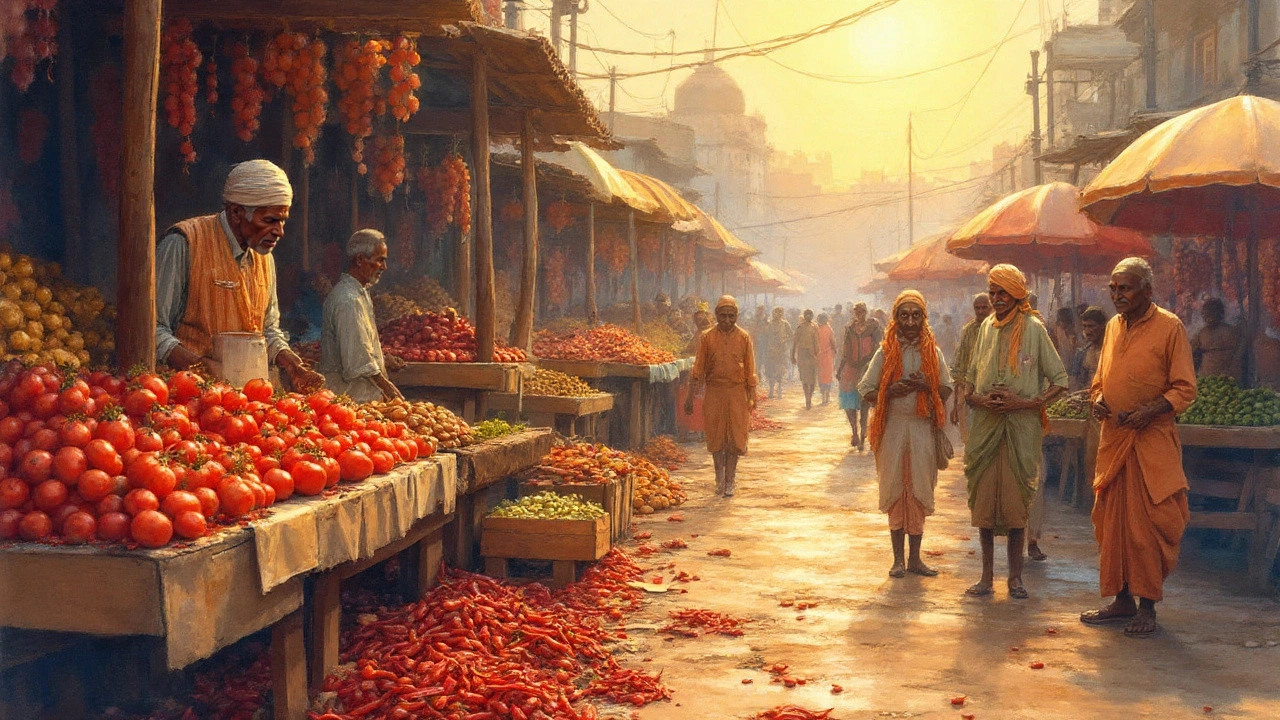
Compare that to local produce, vegetables grown nearby, harvested at peak ripeness, and sold within hours. Also known as farm-fresh vegetables, they’re not just tastier—they’re packed with more vitamins, support small farmers, and don’t require plastic packaging or refrigerated trucks to survive the journey. In India, where climate zones range from the dry Deccan to the humid Northeast, local farmers grow a surprising variety year-round. Think spinach in Rajasthan, bitter gourd in Kerala, or tomatoes in Punjab. These aren’t just alternatives—they’re often superior.
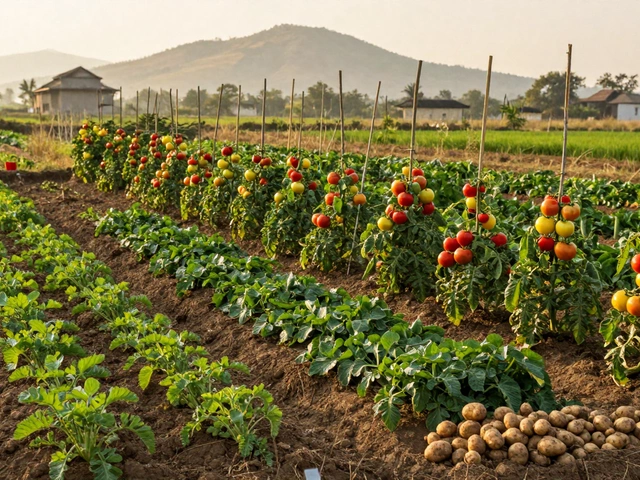
Then there’s food safety India, the system that tracks how produce is grown, treated, and transported before it reaches your kitchen. Also known as produce safety standards, it’s a patchwork. Imported veggies often come with certificates, but those can be faked. Local veggies? You can ask the vendor. Did they use pesticides? When were they picked? You’ll get an answer. And if you’re worried about chemicals, you’ll find more transparency at your weekly market than in a supermarket’s imported section. The rise of sustainable gardening, growing your own food with minimal waste, no chemicals, and smart water use. Also known as eco-friendly farming, it’s not just a trend—it’s a smarter way to reduce reliance on imports altogether. People in cities are turning balconies and rooftops into mini-farms. They’re growing lettuce, chili, and even carrots in pots. It’s not about replacing the market—it’s about having control over what you eat.
And don’t forget seasonal vegetables, what grows naturally during each time of year, without artificial heating or long-distance transport. Also known as monsoon crops or winter greens, they’re the real heroes of Indian kitchens. In summer, you’ll find bottle gourd and cluster beans. In winter, cauliflower and peas. These aren’t just cheaper—they’re healthier, because they’re grown in harmony with nature, not against it.
So when you reach for that bag of imported spinach or broccoli, ask yourself: What am I really paying for? A brand name? A longer shelf life? Or just the illusion of choice? The real value isn’t in what arrives from far away—it’s in what’s grown close, eaten fresh, and grown the right way. Below, you’ll find real stories from gardeners who’ve stopped buying imported veggies—and started growing their own. You’ll see what works, what doesn’t, and how to make the switch without stress.
Explore the story behind vegetables that are not native to India, from potatoes to tomatoes, and how these imports changed Indian farming and flavor forever.
Continue reading...