Improve Vision: Natural Ways to Support Eye Health Through Gardening and Nutrition
When you think about how to improve vision, you probably think of glasses, contacts, or surgery. But what if your eyes need less tech and more dirt? Your eyes aren’t just windows—they’re living organs that respond to light, nutrients, and movement. And the best place to give them what they need? Right outside your door. Eye health, the condition of your visual system, including the retina, lens, and optic nerve, which can be supported by diet, sunlight, and reduced screen strain. Also known as visual wellness, it’s not just about sharpness—it’s about resilience. Studies show people who spend time outdoors have lower rates of nearsightedness, especially kids. But it’s not just about being outside. It’s about what you’re doing out there.
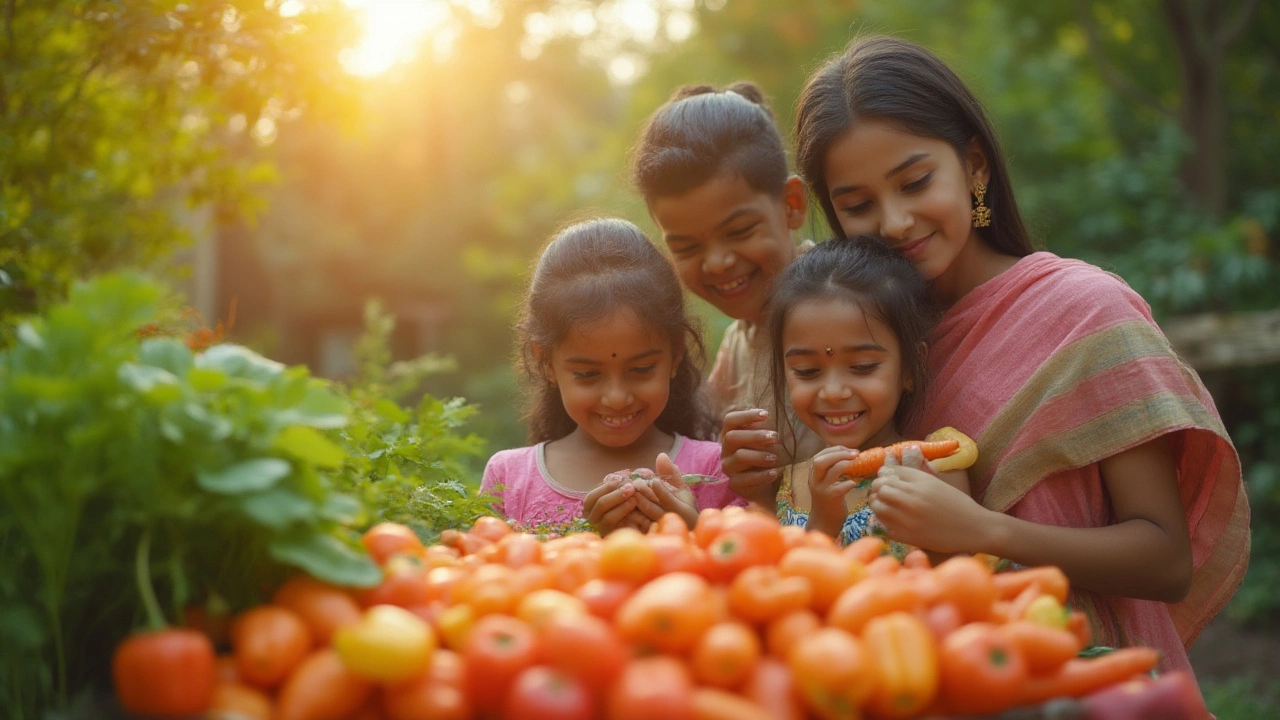
Nutrition for eyes, the intake of specific vitamins, antioxidants, and fatty acids that protect the retina and reduce oxidative stress matters more than you think. Carrots are famous, but they’re not the whole story. Lutein and zeaxanthin—found in leafy greens like spinach and kale—build up in your macula and act like natural sunglasses. These are the same plants you can grow in a balcony pot or a rooftop garden. Blueberries? They’re full of anthocyanins that help your eyes adjust to light changes. And omega-3s from flaxseed or chia plants? They reduce dry eye symptoms. You don’t need supplements if your garden is giving you color. Red peppers, sweet potatoes, eggs from free-range chickens, even nasturtium flowers—they all help. The more variety you grow, the more your eyes get fed.
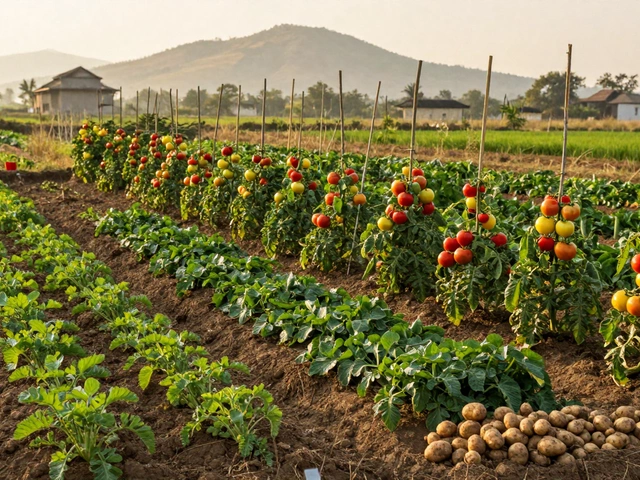
Gardening for health, the physical and sensory activity of tending plants that improves circulation, reduces eye strain, and increases exposure to natural light isn’t just exercise. It’s therapy for your eyes. When you’re bending to check soil, reaching for a high branch, or tracking bees moving between flowers, your eye muscles are working in ways they never do staring at a screen. Sunlight regulates melatonin and dopamine—both tied to healthy eye development. And the rhythm of gardening—morning light, afternoon shade, evening calm—gives your eyes a natural cycle they crave. Even if you only have a windowsill with a few pots, planting something that needs daily attention gives your eyes a reason to look away from digital glare.
You won’t fix severe vision problems with tomatoes alone. But if you’re tired of buying new glasses every year, or if your eyes feel dry and tired by noon, the fix might be simpler than you think. It’s not about expensive treatments. It’s about reconnecting with what your eyes evolved to see: green leaves, shifting shadows, moving insects, the slow bloom of a flower. The posts below show you exactly how to grow the foods that protect your sight, how to design a garden that reduces eye strain, and how to use everyday gardening habits to keep your vision clear—naturally. No magic pills. Just dirt, sun, and plants that care for you as much as you care for them.
Which vegetable helps you see better? Explore surprising facts, nutrient-packed veggies, and easy tips to boost your eyesight naturally with the right garden produce.