India gardening: What actually works in India’s heat, rain, and soil
When it comes to India gardening, the practice of growing plants in India’s varied climate zones using science-backed, eco-friendly methods. Also known as Indian home gardening, it’s not about copying Western techniques—it’s about working with monsoons, red soil, and 40°C summers to make plants thrive. Most gardeners in India fail because they water too much, use the wrong soil, or pick plants that can’t handle the heat. The secret isn’t more fertilizer—it’s understanding what your local conditions demand.
Drip irrigation, a system that delivers water slowly to plant roots, reducing waste and evaporation is popular, but running it daily? That’s a mistake. In India’s dry spells, you might need it every other day. In monsoon season? Turn it off. Compacted soil, dense, hard earth that blocks roots and water is another silent killer. It’s common in urban balconies and backyard plots, and fixing it doesn’t need a machine—just compost, mulch, and a little elbow grease. Then there’s neem oil, a natural pesticide made from tree seeds that kills pests without harming bees or soil microbes. It’s the go-to for Indian gardeners because it’s cheap, effective, and works in both dry and humid climates.
Some plants just don’t belong in Indian gardens unless you know how to handle them. The Vanda orchid, a high-maintenance flowering plant that needs perfect humidity and airflow is a classic example. Most people treat it like a houseplant and lose it. But with the right setup—raised pots, fans, and misting—it blooms for months. And if you’re thinking of growing durian or sandalwood, you’re not crazy. These aren’t just expensive curiosities—they’re being planted by smart gardeners who know the market and the climate.
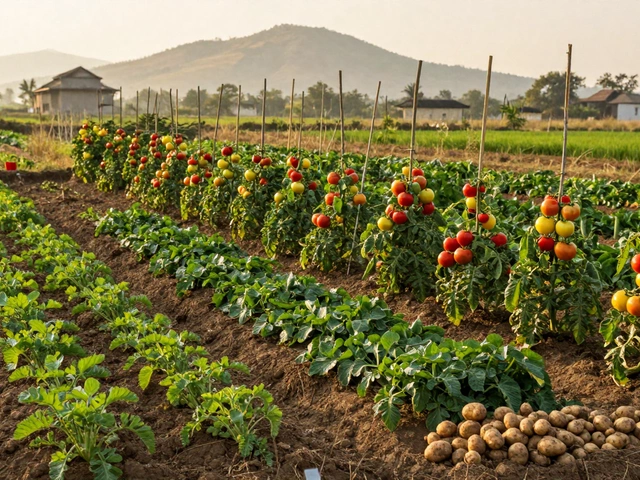
You’ll find real solutions here—not theory, not imported advice. Just what works on Indian balconies, rooftops, and backyard plots. Whether you’re dealing with soggy soil after rains, pests eating your tomatoes, or a balcony that turns into an oven in May, the posts below give you step-by-step fixes. No jargon. No fluff. Just clear, tested ways to grow more with less.
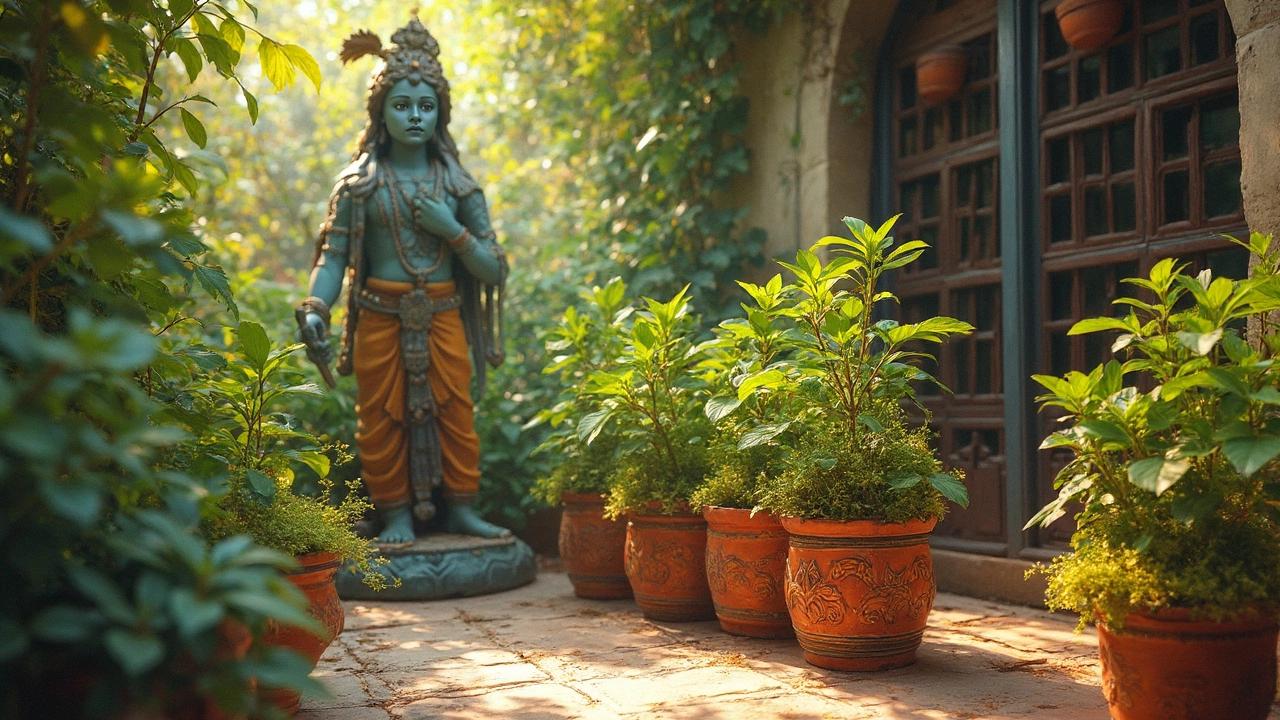
India, a land rich in culture and tradition, holds the Tulsi plant in high esteem due to its sacred status. Tulsi, also known as Holy Basil, is cherished for both its spiritual significance and medicinal properties. Beyond its religious importance in Indian households and temples, Tulsi offers a variety of health benefits and is used in many traditional remedies. This article delves into Tulsi's role in Indian culture, its beneficial properties, and tips for growing this revered plant in your garden.