Indian Crops: What Grows Well, What Doesn’t, and How to Grow Them Right
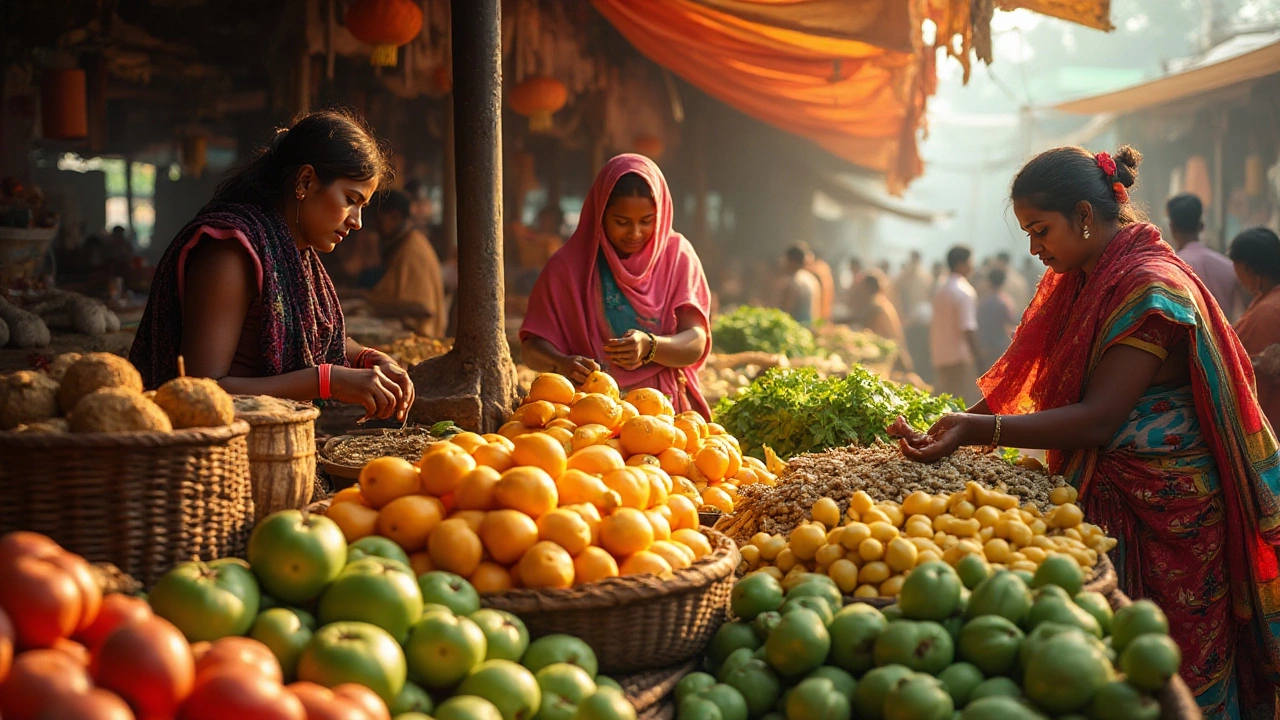
When we talk about Indian crops, the variety of plants grown across India’s diverse climates, from rice in the east to millets in the dry west. Also known as native food crops, they form the backbone of both rural livelihoods and urban kitchens. These aren’t just plants—they’re tied to seasons, soil types, water access, and decades of local knowledge. But with erratic rains, shrinking topsoil, and rising temperatures, growing them the old way is getting harder. That’s why smart gardeners and small-scale farmers are turning to biotech-backed methods to make their crops more resilient.
Not all crops play nice with India’s weather. Durian, a tropical fruit with a cult following and a long growth cycle. Also known as king of fruits, it’s now being grown in southern states, but only by those who understand humidity control and drainage. On the other end, Vanda orchids, a delicate flower that needs perfect airflow and moisture levels. Also known as high-maintenance tropical plants, they fail in most home gardens because people treat them like regular houseplants. Then there’s sandalwood, an endangered tree prized for its oil but threatened by illegal harvesting. Also known as Indian sandal, it’s a symbol of both cultural value and ecological risk. These aren’t random examples—they show how Indian crops range from hardy staples to fragile luxuries, each needing a different approach.
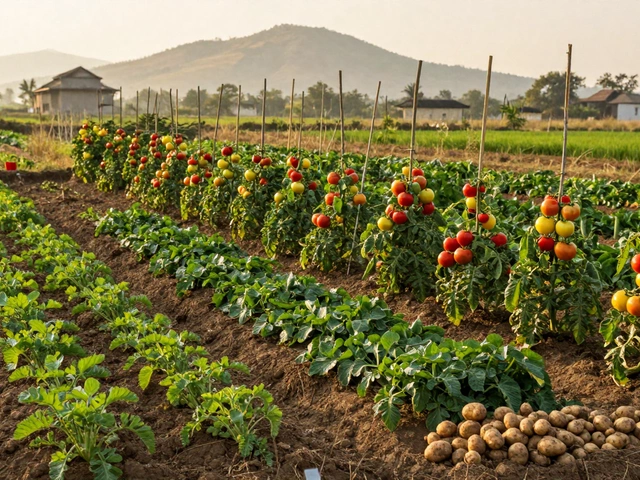
What connects them? Water. Soil. And knowing when not to water. Most people assume more water means better crops, but that’s not true. Overwatering kills bonsai trees, compacts soil, and washes nutrients away. That’s why drip irrigation isn’t always the answer—sometimes, mulching or rainwater harvesting works better. And if your soil is hard as brick, no fertilizer will fix it unless you first loosen it with compost and aeration. The best Indian crop strategies aren’t about buying the latest gadget. They’re about reading your land, matching plants to your microclimate, and working with nature, not against it.
Below, you’ll find real guides from gardeners who’ve tried it all—failed, learned, and figured out what actually works. Whether you’re growing vegetables on a balcony, trying to revive tired soil, or wondering if neem oil can save your crops from pests, you’ll find practical steps, not theory. No fluff. No jargon. Just what you need to grow better, smarter, and more sustainably in India’s unique conditions.
India is home to a rich variety of vegetables, some of which have their roots deeply embedded in the country's ancient agricultural practices. This article explores these native vegetables, their history, and cultivation techniques. Readers will learn about the unique climate and soil conditions that favor such growth, along with tips for cultivating them in gardens elsewhere. By understanding these integral aspects, gardening enthusiasts can enrich their plots with India's botanical wonders.