Indian Cuisine and Gardening: How Food Culture Shapes Home Gardens
When you think of Indian cuisine, a rich, regionally diverse system of cooking rooted in local ingredients, seasonal cycles, and centuries of tradition. Also known as subcontinental cooking, it’s not just what ends up on the plate—it’s what grows in the backyard. Every curry, chutney, and dal starts with a seed. From the spicy tomatoes of Karnataka to the fragrant mint in Uttar Pradesh, what you eat is directly tied to what you can grow where you live.
That’s why gardening in India doesn’t follow generic rules. You won’t find a one-size-fits-all approach because monsoon gardening, the practice of timing planting and watering around India’s heavy rainy season is a core skill. Gardeners plan around the rains—not against them. The Mogra flower, a jasmine variety that blooms with the first monsoon showers and is used in teas, perfumes, and religious offerings, isn’t just pretty—it’s part of the food and culture cycle. And if you’ve ever seen someone grow curry leaves on a balcony or harvest okra in a tin can, you’ve seen Indian cuisine shaping gardening in real time.
It’s not just about flavor. native plants, species that evolved naturally across India’s varied climates from the Himalayas to the Deccan Plateau are the backbone of home gardens. They need less water, resist local pests, and feed the soil in ways imported plants can’t. That’s why durian growers in Tamil Nadu or sandalwood conservationists in Karnataka aren’t just farming—they’re preserving culinary heritage. Even the toughest plant to grow, like the Vanda orchid, isn’t just for show. Its petals are used in traditional medicine and temple rituals, linking beauty to function.
When you look at the posts below, you’ll see how this connection plays out. People aren’t just asking how to water their bonsai or fix compacted soil—they’re asking how to grow the ingredients for their grandmother’s recipe. How to keep coriander alive in summer heat. How to use neem oil not just as a pesticide, but as a natural preservative for pickles. How to turn a tiny terrace into a mini spice farm. This isn’t gardening for aesthetics. It’s gardening for the table. And that’s why the best tips here don’t come from manuals—they come from kitchens, balconies, and village plots across India.
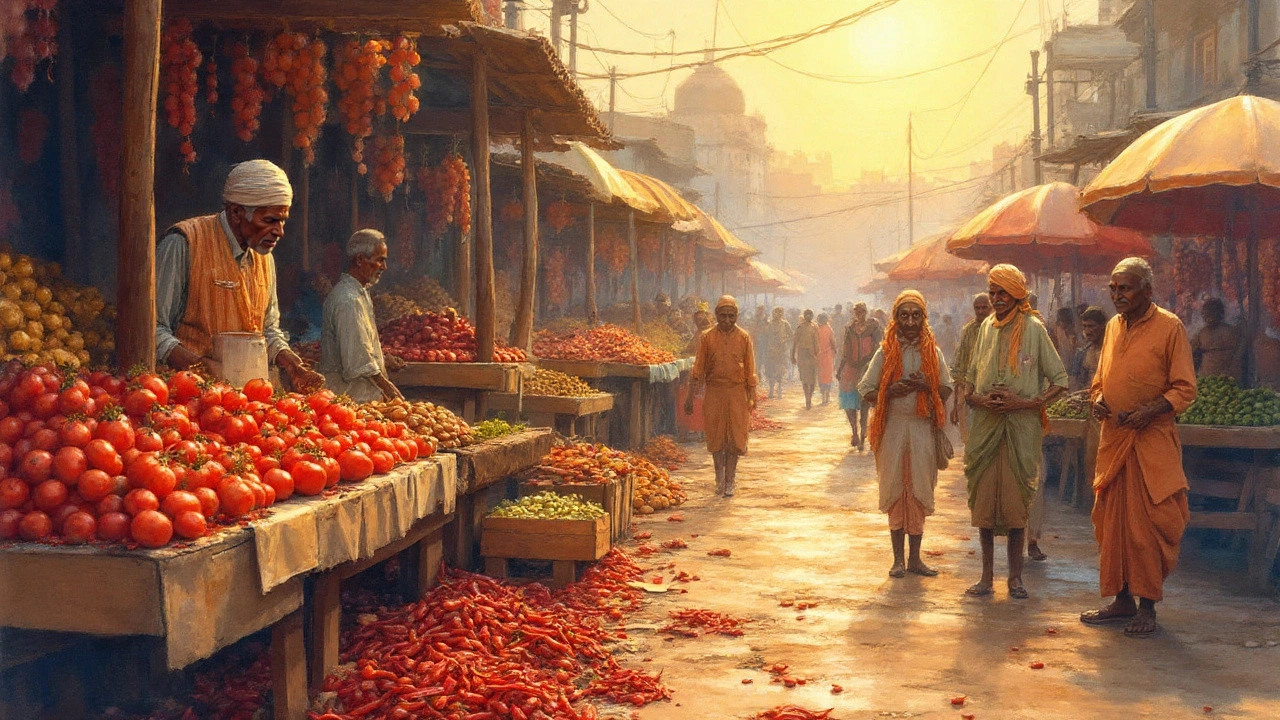
Explore the story behind vegetables that are not native to India, from potatoes to tomatoes, and how these imports changed Indian farming and flavor forever.
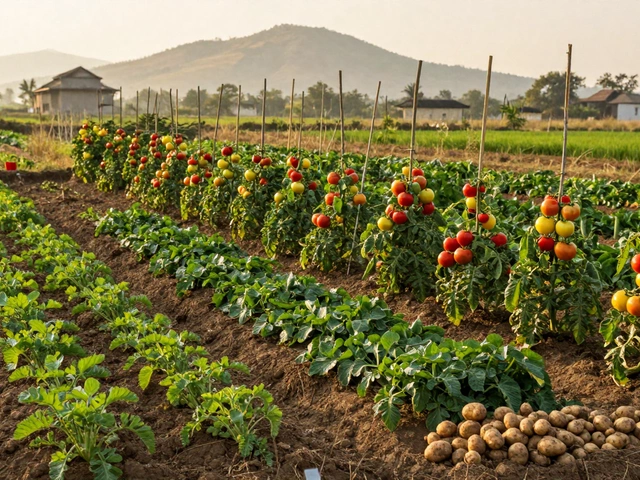
India has the largest number of vegetarians in the world, and it’s not just about food—it’s deeply woven into the country’s culture, history, and daily routine. This article digs into why vegetarianism is so common in India, backed by facts and real-life experiences. You’ll learn how ancient beliefs, religion, and even home gardening shape what people eat. Plus, there are tips for starting your own veggie patch Indian-style. If you’ve ever wondered about the roots of India’s veggie obsession, here’s where you’ll find real answers.
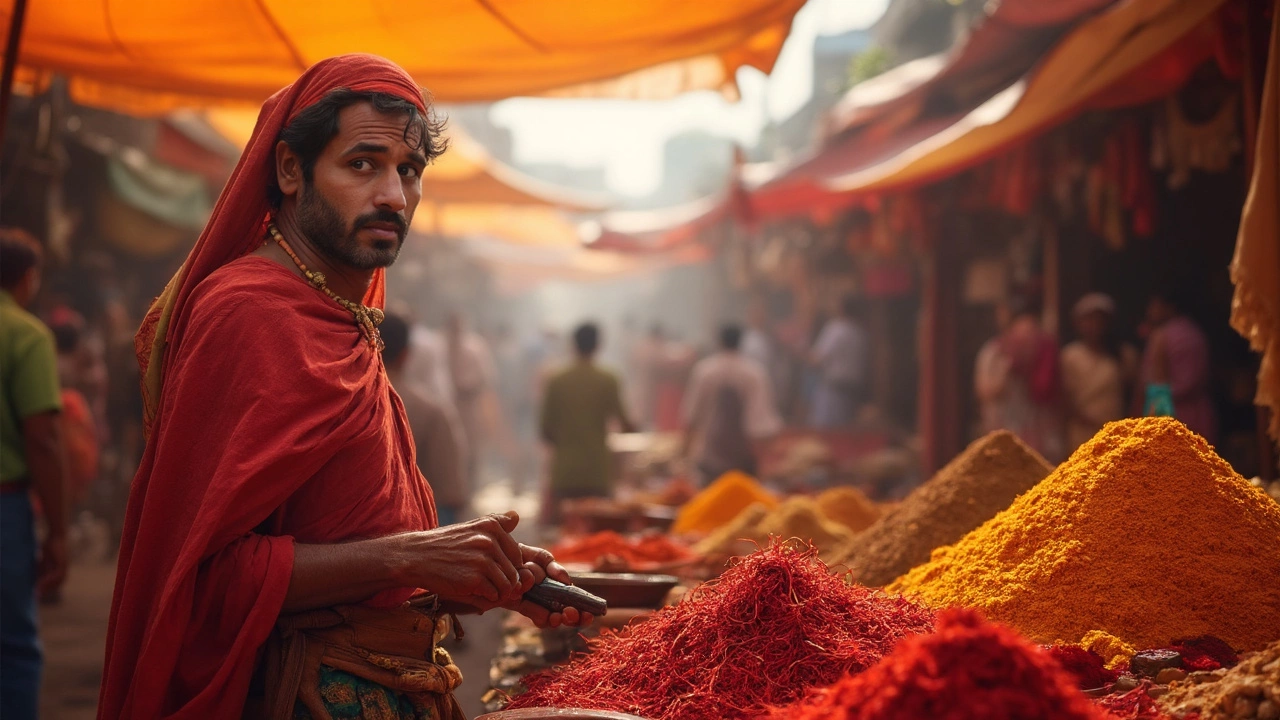
In India, the fascination with rare and costly foods isn't just about luxury but also tradition and culinary curiosity. This article dives into the realm of India's most expensive foods, revealing rare ingredients and lavish dishes with intriguing histories. From exotic saffron to truffle-infused delights, discover what makes these foods so special and how they are connected to the world of vegetable gardening. Whether you're a foodie or a gardening enthusiast, you'll find something to intrigue your taste buds and your green thumb.