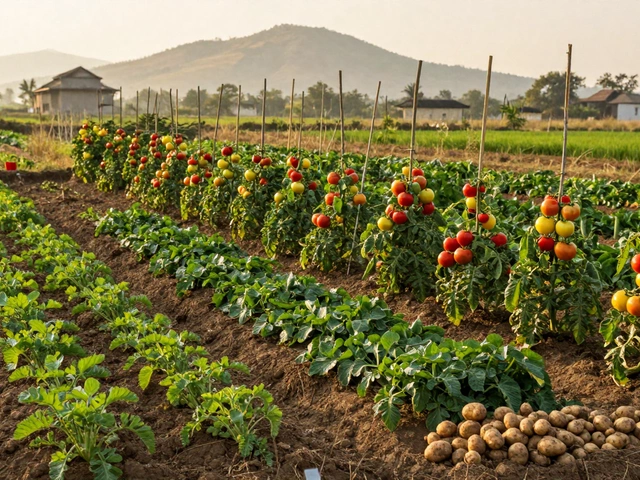
Indian Food Gardening: What Grows Best and How to Grow It
When you think of Indian food, the rich, aromatic dishes rooted in centuries of tradition and regional diversity. Also known as South Asian cuisine, it begins long before the spice grinder—it starts in the soil. From the sweet, creamy notes of jasmine to the bold, pungent kick of durian, what ends up on your plate is shaped by how, where, and what Indian gardeners choose to grow. This isn’t just about farming—it’s about adapting biotech-backed methods to local climates, using natural pest control like neem oil, and reviving soil that’s been worn down by monsoons and heat.
Durian, a tropical fruit known as the "king of fruits" for its intense smell and creamy texture. Also known as king of fruits, it’s now being planted in southern Indian states by gardeners who see its high market value and unique growing needs. Meanwhile, Mogra flower, the monsoon-blooming jasmine that perfumes Indian courtyards and is used in teas, oils, and religious offerings. Also known as rainy flower India, it thrives only when humidity, drainage, and timing align—something many gardeners get wrong by treating it like a regular houseplant. These aren’t just plants—they’re cultural markers tied to seasons, rituals, and local economies. And behind them? Soil that needs aeration, irrigation systems that avoid waste, and pest solutions that don’t poison bees or groundwater.
What makes Indian food gardening different? It’s not just about planting seeds. It’s about working with India’s extreme weather—dry spells followed by torrential rains, hot balconies that turn into ovens, and compacted urban soils that choke roots. That’s why the most successful gardeners use mulch to hold moisture, soaker hoses instead of drip systems when they can, and homemade compost to rebuild life in tired dirt. They grow vegetables in small spaces because they have to, and they choose plants that bloom year-round because color and food matter equally. You won’t find these lessons in old farming manuals. You’ll find them in the trial-and-error of real gardeners who’ve learned that a Vanda orchid needs more than water—it needs airflow, timing, and patience.
Below, you’ll find real guides from Indian gardeners who’ve figured out what works: how to grow durian without losing your patience, why Mogra fails for most people and how to fix it, what vegetables actually thrive on a Mumbai balcony, and which natural insecticides keep pests away without chemicals. No fluff. No theory. Just what grows, what survives, and what feeds families across India’s diverse landscapes.
India has the largest number of vegetarians in the world, and it’s not just about food—it’s deeply woven into the country’s culture, history, and daily routine. This article digs into why vegetarianism is so common in India, backed by facts and real-life experiences. You’ll learn how ancient beliefs, religion, and even home gardening shape what people eat. Plus, there are tips for starting your own veggie patch Indian-style. If you’ve ever wondered about the roots of India’s veggie obsession, here’s where you’ll find real answers.