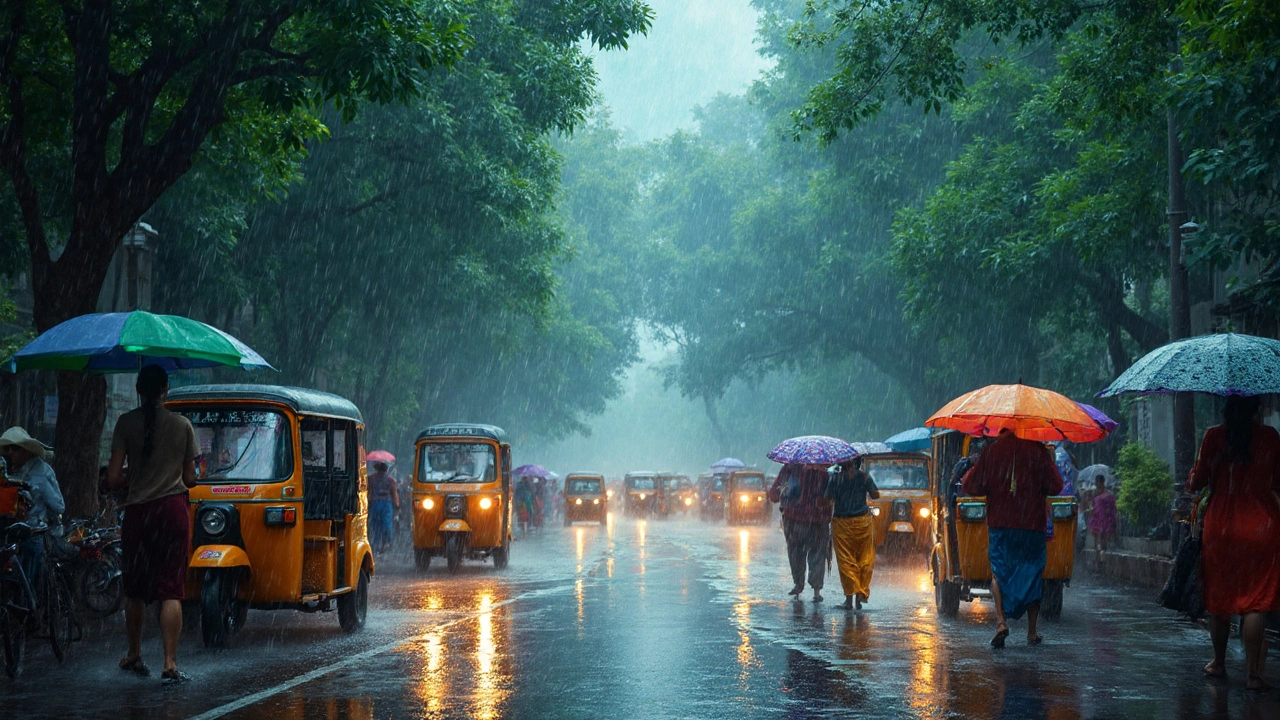
Indian Monsoon: How It Shapes Gardening, Watering, and Plant Survival
When we talk about the Indian monsoon, the seasonal rain pattern that brings 70-90% of India’s annual rainfall between June and September. It’s not just weather—it’s the rhythm that controls when plants live, die, or thrive. If you garden in India, your success depends less on what you plant and more on how you respond to this flood of rain. The monsoon isn’t just about getting wet—it rewires your soil, your watering habits, and even which plants you should even try to grow.
Take soil compaction, the hardening of garden soil after heavy, repeated rainfall. clay-heavy soils turn to concrete under monsoon downpours. That’s why posts on fixing compacted soil with compost and aeration aren’t just helpful—they’re survival guides. Without proper aeration, roots drown even when the ground looks wet. And then there’s rainwater harvesting, the smart practice of capturing monsoon runoff to use during dry spells. Many gardeners skip this, but those who collect rain in barrels or build simple swales end up saving money, reducing runoff, and giving their plants a steady supply when the sun returns.
The monsoon also decides which flowers bloom and which plants die. The Mogra flower, a jasmine variety known as India’s rainy flower, opens only when humidity spikes and rains arrive. It’s not just beautiful—it’s a natural signal that your garden has entered its most active phase. Meanwhile, plants like Vanda orchids, which need perfect airflow and humidity, become impossible to grow if you treat them like houseplants during the wet season. Even your watering schedule flips: drip irrigation, once your best friend, becomes a liability if you run it daily during heavy rain. That’s why posts about drip system schedules and overwatered bonsai trees aren’t random—they’re direct responses to monsoon mistakes.
And it’s not just about plants. The monsoon turns your balcony into a steam room, your terrace into a mud pit, and your pots into waterlogged traps. That’s why cooling a hot balcony, reviving old soil, and choosing the right vegetables for monsoon conditions aren’t luxury tips—they’re essentials. The most successful Indian gardeners don’t fight the rain. They work with it. They use mulch to slow evaporation, plant in raised beds to avoid flooding, and choose species that explode during monsoon but rest quietly when it’s dry.
What you’ll find below isn’t a list of random gardening tips. It’s a collection of real, tested lessons from people who’ve seen their plants rot, their soil harden, and their irrigation systems fail—then figured out how to fix it. Whether you’re growing Mogra on your windowsill, fighting compacted soil after the first downpour, or wondering if you should run your drip system at all during monsoon, the answers are here. No theory. No fluff. Just what works when the clouds roll in.
Discover which months bring the heaviest rains to India, with facts, stats, and real-life tips for travelers or locals. Plan around India's wettest seasons confidently.