Indian native crops: Best local plants for sustainable gardening
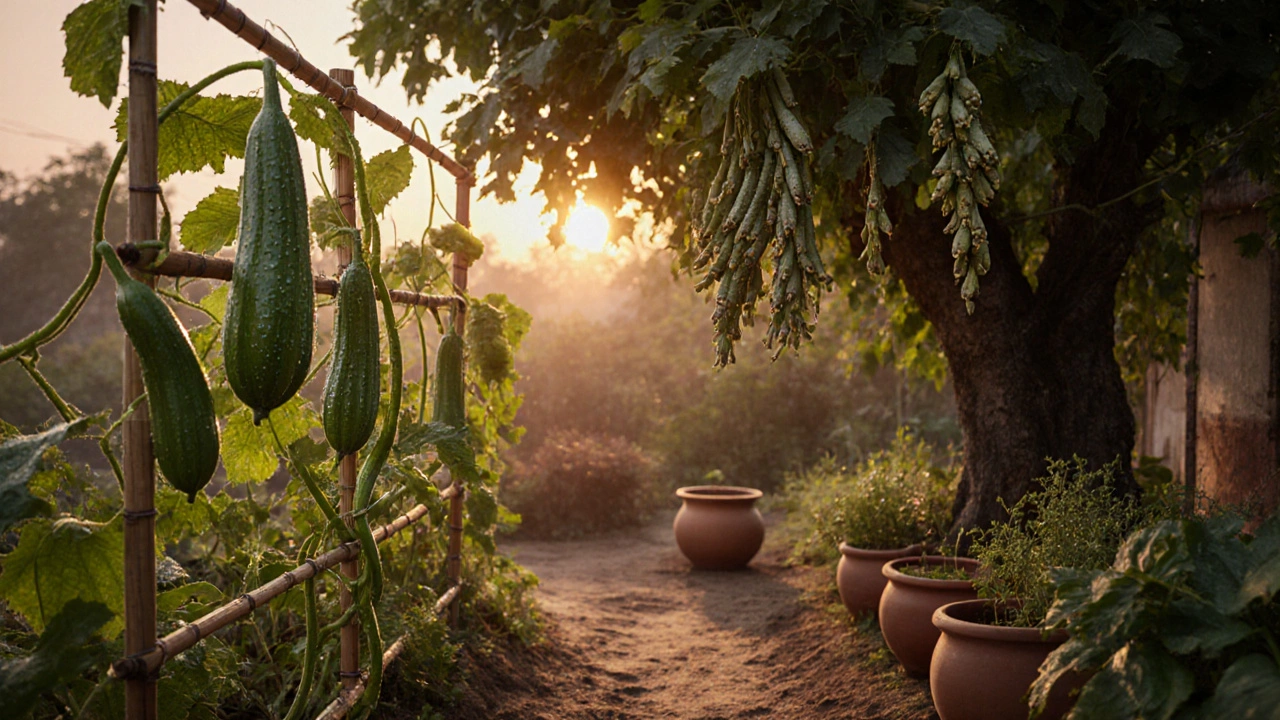
When it comes to growing food and flowers in India, Indian native crops, plants that have evolved naturally across India’s diverse regions and climates over centuries. Also known as indigenous Indian plants, these species are built for the heat, monsoons, and dry spells you can’t control—unlike imported varieties that need constant help. They don’t beg for fertilizers, don’t drown in heavy rain, and don’t wither in summer heat. Instead, they just grow. And that’s why more gardeners—from rooftop terraces in Mumbai to small farms in Odisha—are switching back to what’s already adapted to their soil and weather.
These crops aren’t just tough—they’re smart. Take finger millet, a hardy grain that grows in poor soil and needs almost no irrigation. Or amaranth, a leafy green that thrives in high heat and repels pests naturally. Then there’s Mogra jasmine, the monsoon-blooming flower that needs no special care but fills the air with scent. These aren’t exotic imports. They’re local legends. And they’re the reason you don’t need expensive drip systems or chemical sprays to get results.
Why do so many gardeners still waste water on plants that struggle here? Because they don’t know what grows easily. You can’t grow durian like it’s a mango—it needs a very specific climate. But you can grow sorghum, cowpea, or colocasia with almost no input. The key is matching the plant to the place. That’s what the posts below show: real examples of what works, what fails, and how to fix common mistakes like compacted soil or overwatering when you’re working with native species. You’ll find guides on soil health, pest control with neem oil, and even how to grow vegetables in tiny spaces using techniques that respect India’s natural rhythms. No fluff. Just what grows, when, and why.
Discover which vegetables are truly native to India and why growing them makes your garden more resilient, nutritious, and connected to local food traditions. Learn how to grow bitter gourd, drumstick, snake gourd, and other indigenous crops with minimal effort.