Indian Seasonal Plants: What Grows When and Why It Matters
When you talk about Indian seasonal plants, plants that naturally align with India’s distinct climate cycles, from scorching summers to heavy monsoons and cool winters. Also known as climate-adapted flora, these plants don’t just survive—they thrive—because they’ve evolved with the land, not against it. Most gardeners in India make the same mistake: they treat every season like spring. They plant tropical flowers in winter, or try to grow cool-weather greens in May. It doesn’t work. The truth is, Indian seasonal plants follow a rhythm older than modern gardening advice. Know the rhythm, and your garden answers back with color, scent, and harvests.
One of the most powerful related concepts is monsoon flowers, plants that bloom only when the rains arrive, triggered by humidity and soil saturation. Also known as rain-dependent blooms, the most famous is Mogra jasmine, which releases its fragrance the moment the first drops fall. Then there’s heat-resistant vegetables, crops like okra, bitter gourd, and amaranth that don’t just tolerate summer heat—they need it to fruit. These aren’t just plants; they’re survival tools shaped by centuries of Indian farming. And if you ignore them, you’re fighting nature, not working with it.
Another key player is seasonal soil needs, how the ground changes with the weather—compacting in dry spells, washing away in rains, needing compost to bounce back. You can’t use the same mulch in March that you use in August. The soil in Delhi behaves differently than in Kerala. That’s why fixing compacted soil or adding organic matter isn’t a one-time fix—it’s a seasonal ritual. This is why posts on compacted soil and soil amendment keep showing up in our data: gardeners are realizing that plant success starts beneath their feet, not above it.
And then there’s the hidden challenge: water efficiency, how to give plants what they need without wasting a drop, especially when monsoons are unpredictable. Drip irrigation? Useful. But only if you know when to turn it off. Soaker hoses? Better. But only if you match them to the right plants. Rainwater harvesting? Essential. The best Indian seasonal gardens don’t just water—they listen. They watch the sky. They feel the soil. They don’t follow a timer.
Some of the toughest plants to grow here aren’t exotic imports—they’re native species like the Vanda orchid, which demands perfect airflow and humidity that most indoor setups can’t deliver. Meanwhile, durian, once thought impossible to grow in India, is now being planted in Tamil Nadu and Kerala because growers finally understood its seasonal triggers. Even sandalwood, an endangered tree, only thrives when planted in the right season, with the right companion plants. Every success story in this collection comes down to one thing: timing.
What you’ll find below isn’t a list of plants to buy. It’s a guide to timing, soil, water, and local wisdom. Whether you’re growing on a balcony in Mumbai, a terrace in Pune, or a backyard in Punjab, the same rules apply: work with the season, not against it. The plants know the schedule. You just need to learn it.
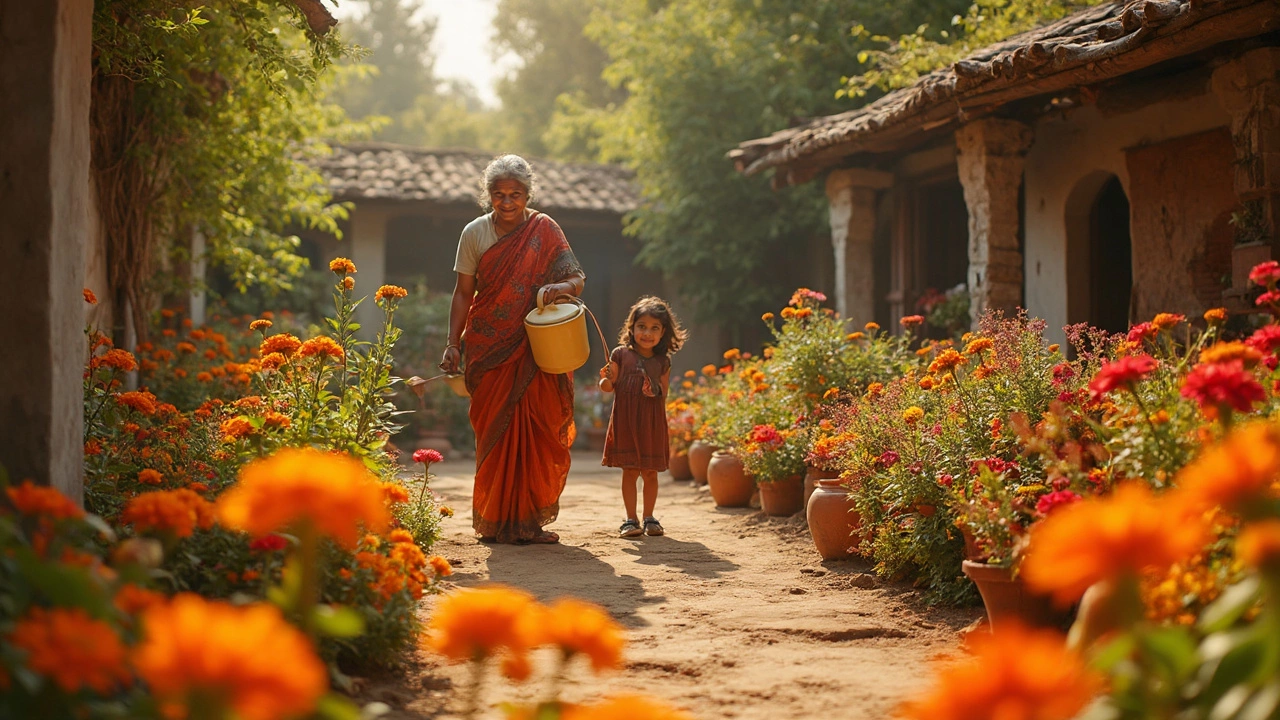
Curious about the flowers that actually thrive in India's blazing summer? This article digs into the tough blooms perfect for hot months, from classic marigolds to unique Indian varieties. Get useful tips for growing these flowers in your own garden, no matter your experience. Discover which plants can handle the heat, how to keep them happy, and a few surprising facts about their care. Handy info for anyone wanting a pop of color during the hottest time of year.