Indian Vegetable Cultivation: Best Practices for Home Gardens and Small Farms
When it comes to Indian vegetable cultivation, the practice of growing edible plants in India’s diverse climates using science-backed, sustainable methods. Also known as home vegetable farming, it’s not just about planting seeds—it’s about working with India’s unique seasons, soil types, and water limits to get real results. Most people think you need big land to grow veggies, but that’s not true. Even a 10x10 patio or a small balcony can feed a family if you know what to plant and how to care for it. The key isn’t size—it’s smart choices.
Soil health, the condition of garden soil that supports strong root growth, good drainage, and nutrient availability is where most Indian gardeners fail. Compacted, tired soil kills more plants than pests or lack of rain. Fixing it doesn’t mean buying expensive bags of fertilizer. It means adding compost, loosening the earth, and letting nature do the work. You’ll find posts here that show exactly how to revive dead soil with things you already have—coffee grounds, eggshells, and kitchen scraps.
Drip irrigation, a water-saving system that delivers moisture directly to plant roots through tubes and emitters is popular in India, but running it every day is a mistake. Too much water rots roots, wastes money, and invites fungus. The real trick? Water less often but deeper, and only when the soil is dry. Some posts break down how to build a low-cost drip system that cuts water use by half, while others compare it to better options like soaker hoses and rainwater harvesting—both common in Indian homes with rooftop tanks.
And then there’s pests. Chemical sprays might kill bugs fast, but they also kill bees, poison the soil, and make your veggies unsafe. Neem oil, a natural pesticide made from the seeds of the neem tree, widely used in Indian agriculture for its safe, effective pest control is the answer. It’s cheap, easy to make at home, and works on aphids, whiteflies, and even caterpillars without harming your family or pets. You’ll see real guides here on how to mix and spray it right.
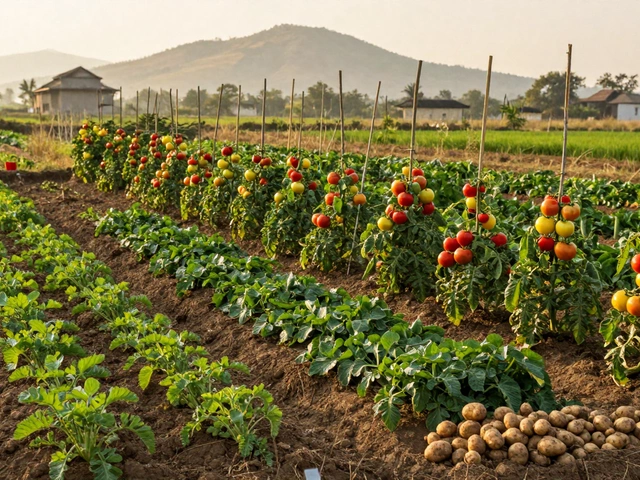
What you’ll find below isn’t theory. It’s what Indian gardeners actually do. From growing tomatoes on a Mumbai balcony to raising okra in Rajasthan’s heat, these posts cover the plants that thrive here, the mistakes that cost harvests, and the simple fixes that make all the difference. No fluff. No jargon. Just clear, step-by-step advice from people who’ve been there.
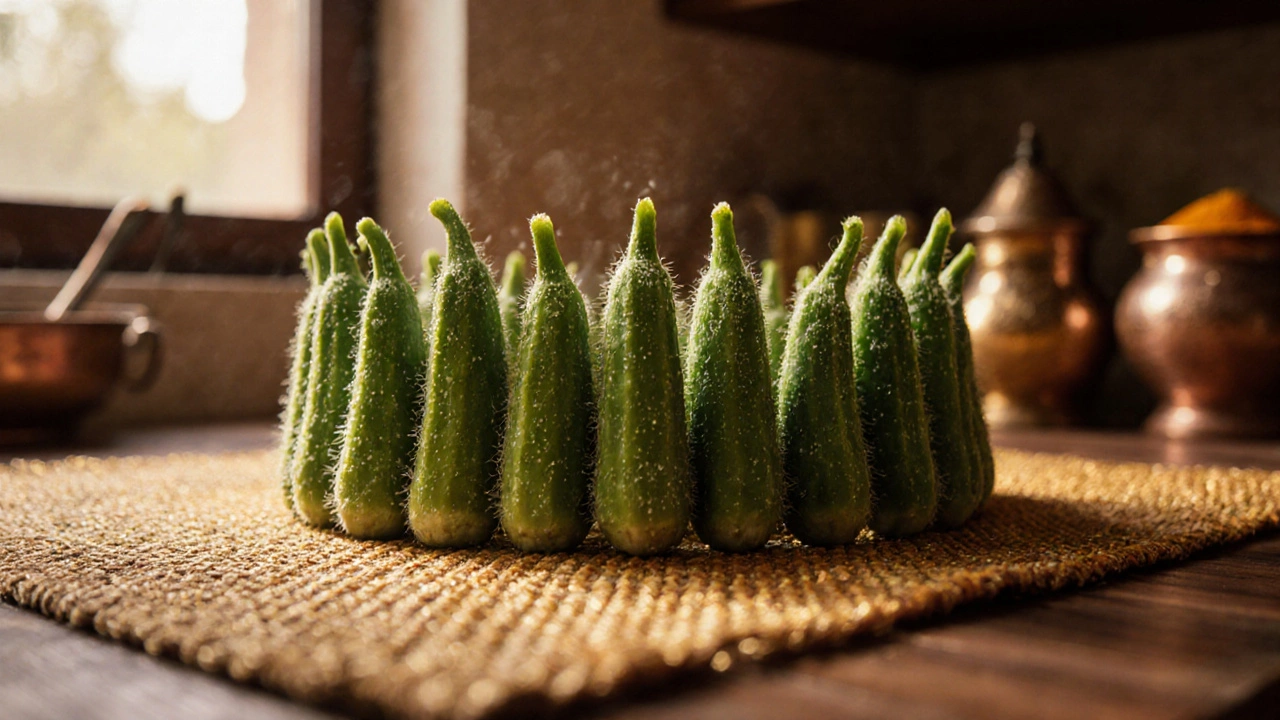
Discover why okra, known as bhindi, is hailed as India's queen of vegetables-its fast growth, heat tolerance, nutrition, and iconic dishes explained.
Continue reading...