Indian vegetable market: What grows where, how it’s sold, and what gardeners need to know
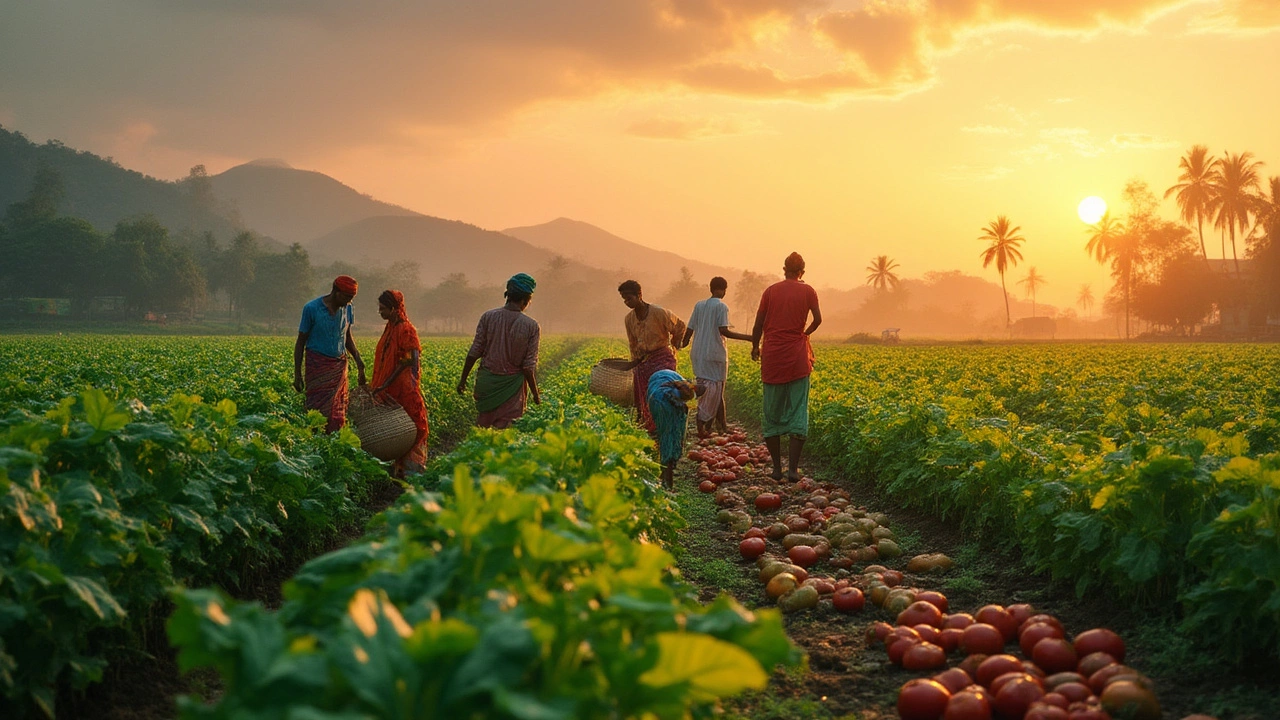
When you think of the Indian vegetable market, a dynamic, season-driven network of local farms, weekly haats, and urban wholesale yards that supplies fresh produce across the country. Also known as local produce market, it’s not just about price—it’s about timing, soil, and tradition. Unlike big-box grocery chains elsewhere, this market moves with the monsoon, the heat, and the harvest. What’s cheap in June might be rare in December, and that’s not just supply and demand—it’s biology.
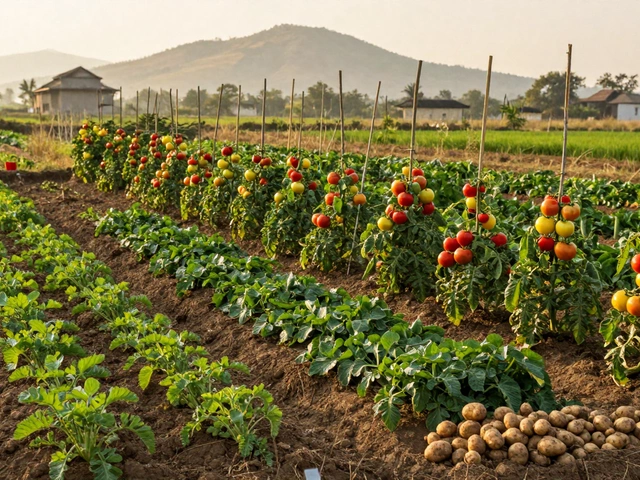
The seasonal vegetables, crops that grow best during specific months in India’s varied climates, from the cool hills of Himachal to the humid coasts of Kerala. Also known as monsoon crops, they include bitter gourd in July, okra in August, and spinach in winter. These aren’t just food—they’re cultural markers. A household in Bengal won’t cook the same dishes in February as one in Rajasthan. And that’s why smart gardeners don’t just plant what’s popular—they plant what’s right for their zone. You can’t grow tomatoes like you grow brinjal. One needs full sun and dry roots. The other thrives in humidity and consistent moisture.
The vegetable farming India, a mix of small family plots, cooperative farms, and biotech-enhanced seed systems that feed over a billion people. Also known as smallholder agriculture, it’s the backbone of the country’s food system. Most of the veggies you see in Delhi’s mandis come from farms under 2 hectares. These farmers don’t use drip irrigation every day—they watch the soil, feel the air, and time their water like their ancestors did. But now, they’re also using better seeds, compost teas, and natural insecticides like neem oil to fight pests without killing bees. That’s the quiet revolution happening right now: home gardeners are learning from them, and farmers are learning from gardeners.
And then there’s the urban shift. More people in Mumbai, Bengaluru, and Pune are turning balconies and rooftops into mini-farms. They’re growing cherry tomatoes in buckets, chillies in old sacks, and coriander on window sills. Why? Because the Indian vegetable market is expensive, unpredictable, and full of transport delays. If you can grow a kilo of spinach in 45 days on your terrace, you’re not just saving money—you’re cutting carbon, reducing plastic, and eating fresher food than what’s shipped from Punjab.
What you’ll find in the posts below isn’t theory. It’s real, tested advice from people who’ve tried growing okra in pots, fixed compacted soil on balconies, and figured out which veggies actually survive India’s heat without dying by week three. Whether you’re in a village with a backyard or a high-rise with a 5x5 ft ledge, the same rules apply: know your season, know your soil, and don’t overwater. The market doesn’t care what you read online—it only cares what you harvest.