Indigenous Vegetables: Grow Native Crops That Thrive in India's Climate
When you think of gardening in India, you might picture tomatoes, cucumbers, or bell peppers—but indigenous vegetables, native plant species that have evolved over centuries to thrive in India’s soil and weather. Also known as traditional Indian vegetables, these plants don’t just survive—they flourish without heavy watering, chemical fertilizers, or imported seeds. They’re the real heroes of Indian kitchens and small farms, quietly feeding families for generations while using less water, resisting local pests, and needing almost no intervention.
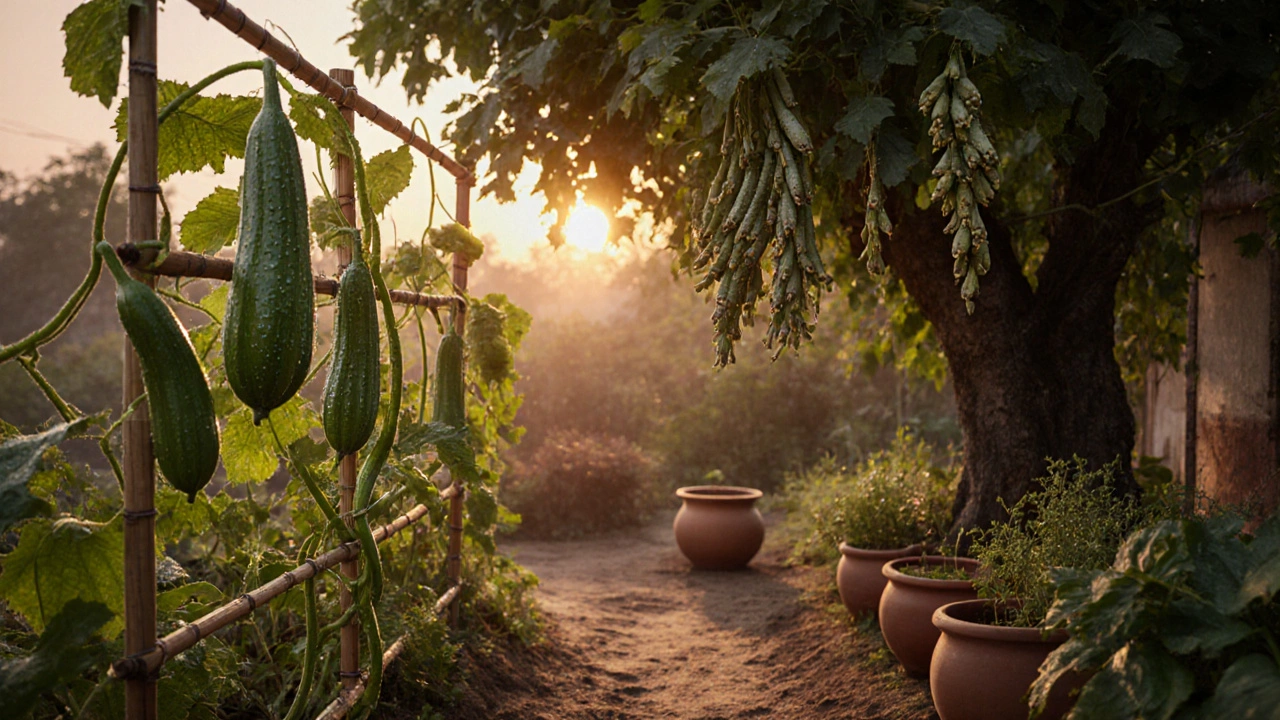
These indigenous vegetables aren’t just old-fashioned—they’re smarter. Take amaranth, a leafy green that grows fast even in dry heat and is packed with iron and calcium, or cluster beans, a drought-tolerant legume used in curries and known for fixing nitrogen in poor soil. Then there’s drumstick (moringa), a tree whose leaves, pods, and seeds are all edible and rich in nutrients. These aren’t exotic imports. They’re local champions that don’t need greenhouses or drip systems to do their job. In fact, many of them grow better in the same conditions that make other plants struggle—like monsoon humidity or summer heatwaves.
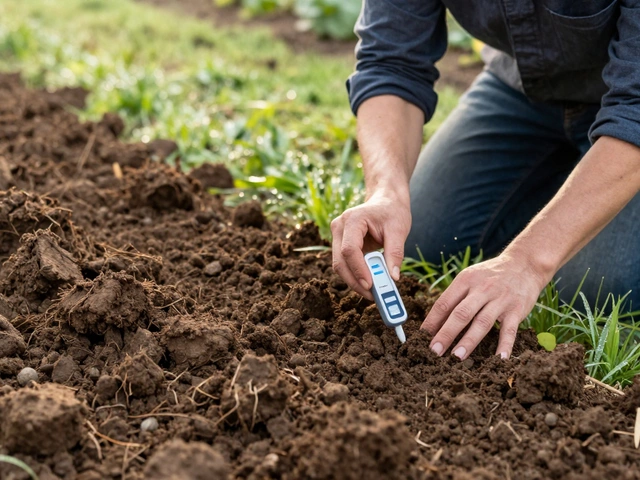
Why does this matter? Because most gardeners in India are told to grow foreign vegetables that demand perfect soil, daily watering, and expensive pesticides. But indigenous vegetables, by their very nature, require fewer resources and adapt naturally to regional climates. They’re the answer to water shortages, soil degradation, and rising input costs. You don’t need a 10x10 patio or a fancy drip irrigation system to grow them. Just a patch of earth, some compost, and a little patience.
The posts below show you exactly how to grow these forgotten gems—whether you’re working with compacted soil, a hot balcony, or a rooftop terrace. You’ll find tips on saving seeds from your own harvest, making natural fertilizers for native crops, and choosing the right ones for your region’s monsoon or dry season. No fluff. No imported seeds. Just real, working advice from people who’ve grown these plants for years—and are now sharing what actually works in India.
Discover which vegetables are truly native to India and why growing them makes your garden more resilient, nutritious, and connected to local food traditions. Learn how to grow bitter gourd, drumstick, snake gourd, and other indigenous crops with minimal effort.