Indoor Gardening: Best Plants, Tools, and Tips for Healthy Houseplants
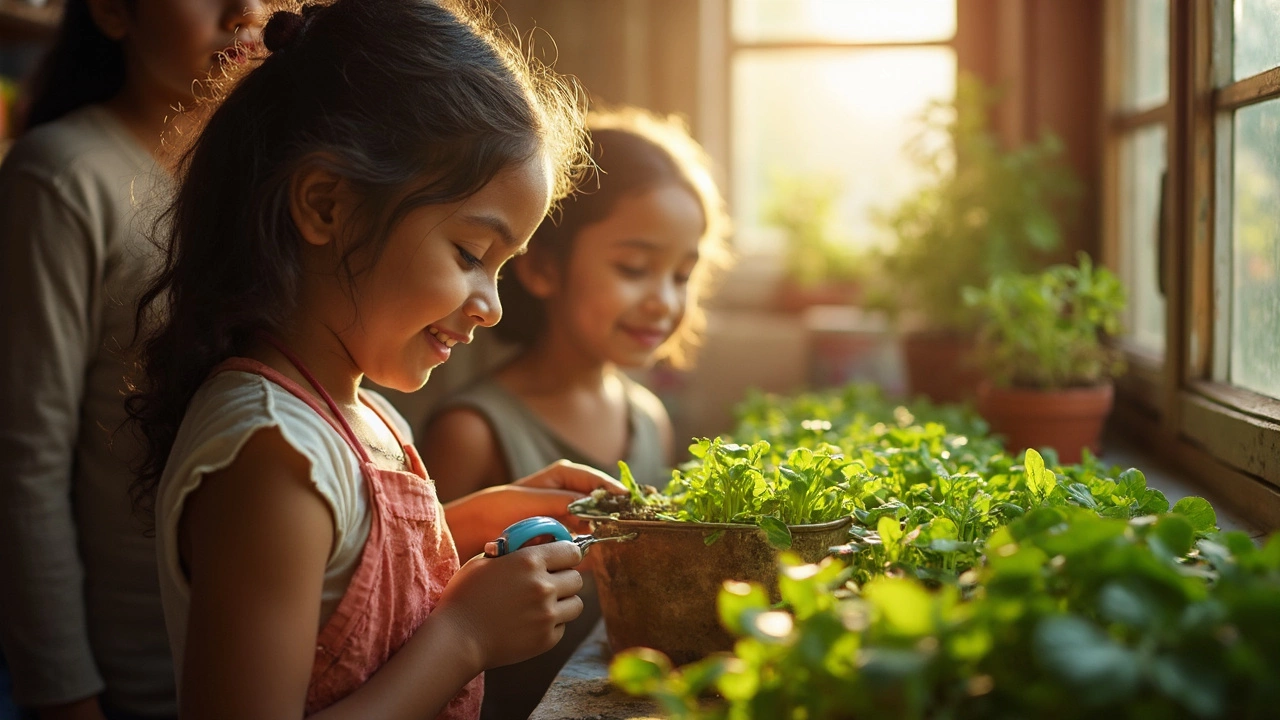
When you think of indoor gardening, growing plants inside homes or buildings using containers, artificial light, and controlled environments. Also known as houseplant cultivation, it’s not just about decoration—it’s about creating living systems that clean air, reduce stress, and even feed you. In India, where balconies are small and outdoor space is limited, indoor gardening isn’t a trend—it’s a necessity. Many people assume houseplants are easy, but the truth? Most die from overwatering, poor soil, or wrong light. You don’t need a greenhouse. You need the right plant, the right pot, and the right schedule.
Container gardening, growing plants in pots, buckets, or hanging baskets instead of the ground. Also known as potted gardening, it’s the backbone of indoor gardening. Whether you’re growing herbs on a windowsill or a Vanda orchid in a humid corner, the container controls everything—drainage, root space, moisture retention. Compacted soil in a pot kills faster than neglect. That’s why so many people fail: they use garden dirt in a pot. You need light, airy mix with compost and perlite. And don’t just water every day. Check the soil first. Stick your finger in. If it’s damp, wait. If it’s dry, water slowly until it drains out the bottom.
Soil health, the condition of growing medium that supports root growth, nutrient flow, and microbial life. Also known as potting mix quality, it’s the invisible hero of indoor gardening. Most store-bought soil loses nutrients after a few months. That’s why your peace lily stops growing or your basil turns yellow. Reviving it doesn’t need fertilizer bombs. A little compost mixed in every 3 months, or a weak tea made from banana peels, works better than chemical mixes. And if your plant’s roots are circling the pot like they’re trapped? It’s time to repot. Not because it’s pretty—it’s because it’s starving.
Indoor gardening in India means adapting to heat, humidity, and power cuts. You can’t control the weather, but you can control the microclimate. A south-facing window gives more light than a north one. A misting bottle helps in dry winters. A fan on low keeps air moving—no stagnant air, no fungus. And if you’re growing vegetables indoors? Pick the right ones. Cherry tomatoes, chillies, and mint don’t need much space. But durian? Forget it. Even the costliest fruit in India won’t grow in your living room.
You’ll find posts here that cut through the noise. No fluff. No fake hacks. Just real fixes: how to save an overwatered bonsai, why drip irrigation isn’t always better than a watering can, what natural insecticide actually works on spider mites, and how to turn a 10x10 patio into a thriving green zone. These aren’t theories. They’re lessons from people who’ve killed plants, then learned how to grow them right. Whether you’re new to this or have been trying for years, there’s something here that will make your plants live longer—and look better doing it.
Curious about which vegetable gives you the easiest win inside your kitchen? Discover the single veggie that nearly anyone can grow—even if you have zero experience or sunlight. See why it’s so simple, learn practical tips, and get honest advice for harvesting fresh produce from a windowsill or countertop. No need to buy fancy gear or start with a green thumb. You’ll find everything you need to know to start picking your own little harvest, right inside your home.
Continue reading...