Irrigation Challenges: Fix Water Waste, Root Rot, and Dry Spots in Your Garden
When you face irrigation challenges, problems with watering that lead to plant stress, wasted water, or dead roots. Also known as watering issues, it's not just about turning the tap on or off—it's about matching water to what your soil and plants actually need. Most gardeners in India guess when to water. They water daily because they think plants like it, or they skip it because it rained once last week. That’s how you end up with yellowing bonsai leaves, mushy roots, or patches of dry soil right next to a soaked patch. The real problem isn’t the water—it’s how it’s delivered and when.
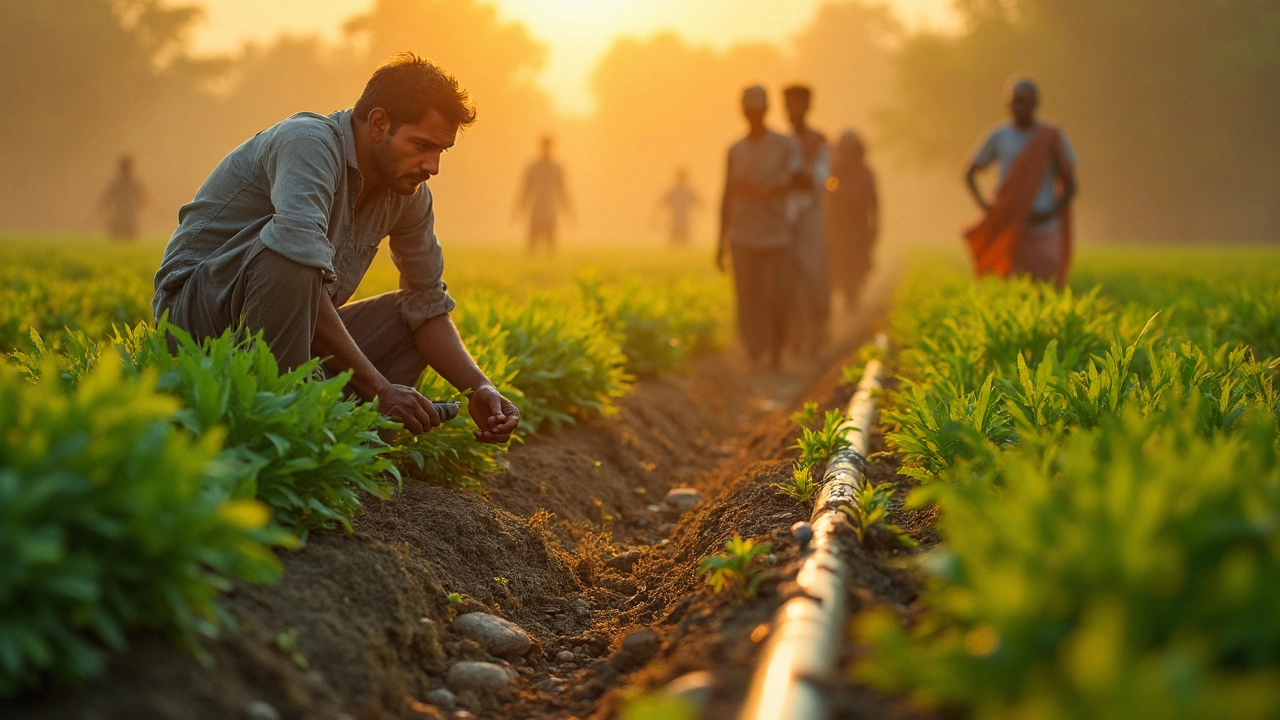
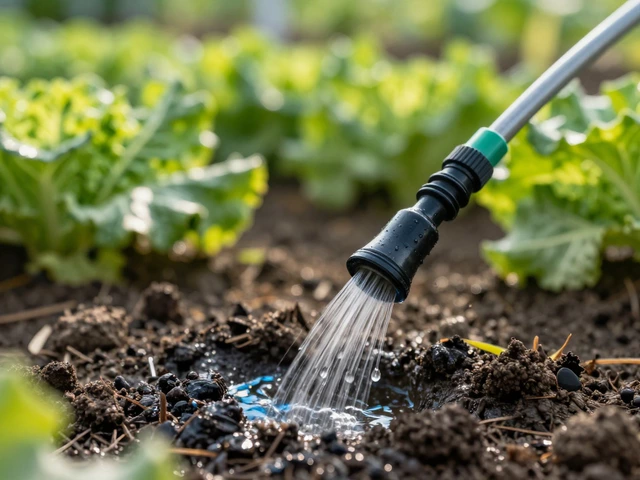
Drip irrigation, a system that delivers water slowly to plant roots through tubes and emitters. Also known as precision watering, it’s better than sprinklers—but only if it’s set up right. Too many people install drip lines and leave them running every day, thinking it’s efficient. It’s not. Running drip irrigation daily drowns roots, leaches nutrients, and creates wet zones that attract fungi. Instead, you need to adjust based on soil type, season, and plant stage. And even drip systems have limits. Soaker hoses, porous tubes that seep water along their length. Also known as slow-release hoses, they’re cheaper, easier to install, and often more effective for rows of veggies. Mulching, covering soil with organic material like straw or wood chips. Also known as soil blanket, it cuts evaporation by up to 70% and reduces how often you need to water at all. These aren’t alternatives—they’re teammates.
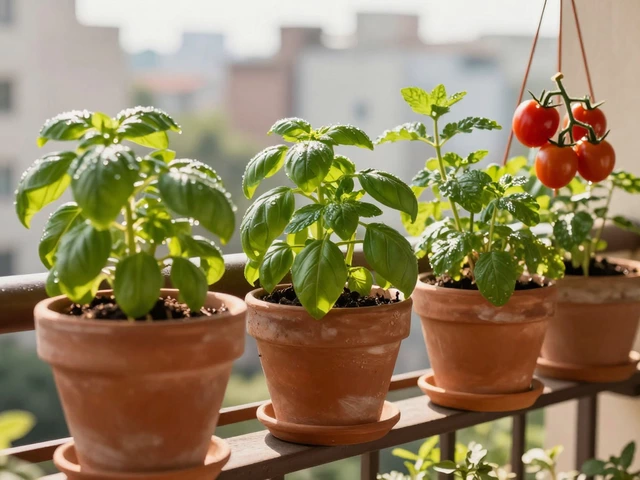
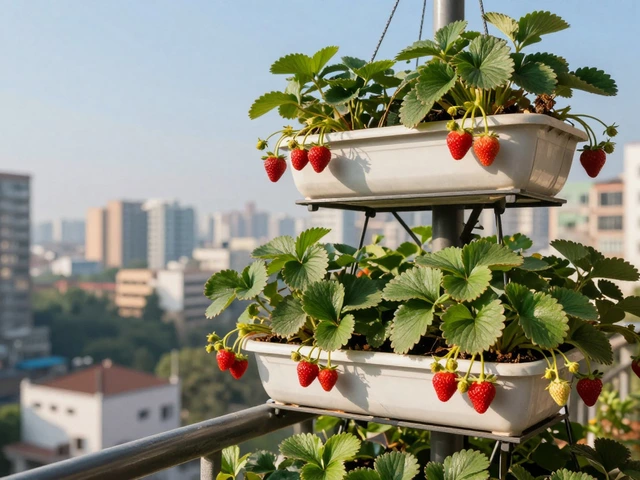
Then there’s the hidden enemy: compacted soil, dense, hard earth that won’t let water or roots move through. Also known as hardpan, it’s why your drip system can run for an hour and the plant still looks thirsty. Water pools on top or runs off, never reaching the roots. That’s why fixing soil texture matters as much as fixing your irrigation schedule. Adding compost, aerating, and using mulch isn’t optional—it’s the foundation of any good watering plan. And if you’re growing in pots or on balconies, where soil dries fast and drainage is poor, these challenges multiply. The Vanda orchid, for example, dies not from lack of water, but from water sitting too long in soggy roots. Same with bonsai. Same with tomatoes in containers. The pattern is clear: irrigation challenges aren’t about the tool. They’re about understanding your soil, your plants, and your climate.
What you’ll find below isn’t a list of fixes. It’s a collection of real stories from Indian gardens where people turned water waste into water wisdom. You’ll see how someone saved a dying bonsai by stopping daily watering. How another gardener cut their water bill in half using rain barrels and mulch. How a terrace grower fixed compacted soil with just a fork and some compost. These aren’t theories. They’re results. And they all start with understanding the real problem—not the symptom.
Drip irrigation, while celebrated for its water-saving capabilities, isn't without its challenges. From clogging issues to the need for regular maintenance, these systems require careful upkeep. This article dives into the major problem of seepage and system inefficiencies that farmers and garden enthusiasts often face. Discover tips on how to effectively tackle these challenges and make the most out of your drip irrigation setup.
Continue reading...