Is Brinjal Healthy? Nutritional Benefits and Growing Tips for Eggplant in India
When you ask is brinjal healthy, a common vegetable in Indian kitchens, also known as eggplant or aubergine. It's not just a flavorful addition to curries—it's a nutrient-dense food that supports heart health, digestion, and stable blood sugar levels. Brinjal is low in calories but high in fiber, antioxidants like nasunin, and minerals like potassium and magnesium. Unlike processed snacks or fried foods, brinjal helps you feel full longer without spiking insulin. It’s a quiet hero in Indian diets, especially in households that grow their own.
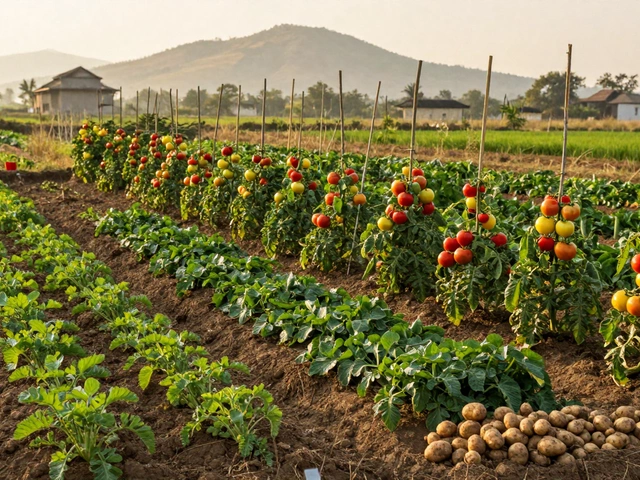
Many gardeners in India grow brinjal because it thrives in warm climates and doesn’t need much space. It’s a fast-growing crop, a warm-season vegetable that produces fruit in 60 to 80 days after planting. You can grow it in pots on balconies, in terrace gardens, or directly in the soil. The key is well-drained soil, plenty of sun, and regular compost. Overwatering can cause root rot—something you’ll also see in bonsai trees or orchids—so check the soil before watering. Brinjal plants also benefit from natural pest control. Neem oil, which works wonders on aphids and fruit borers, is often used by home gardeners who want to avoid chemicals.
Brinjal’s health benefits go beyond vitamins. Studies show its antioxidants help reduce inflammation and may lower bad cholesterol. People with diabetes find it useful because it has a low glycemic index. And unlike some trendy superfoods, brinjal is affordable, widely available, and easy to grow even in small spaces. If you’re trying to eat cleaner or reduce grocery bills, growing your own brinjal makes sense. It’s not just about saving money—it’s about knowing exactly how your food was grown. Many of the posts here cover similar themes: fixing soil, using organic fertilizers, choosing the right plants for Indian weather, and avoiding common mistakes like overwatering or compacted soil. You’ll find guides on how to grow vegetables in containers, how to make your own compost, and how to keep pests away without toxins—all relevant if you’re growing brinjal at home.
Brinjal isn’t just food. It’s part of a larger system—healthy soil, smart watering, natural pest control, and seasonal timing. Whether you’re growing it on a balcony or in a backyard, the same principles apply. The posts below give you real, tested advice from Indian gardeners who’ve learned what works—and what doesn’t—when it comes to growing this tough, tasty vegetable. You’ll learn how to avoid the pitfalls, boost your harvest, and make sure your brinjal plants stay strong all season long.
Is brinjal (eggplant) really a healthy pick for your plate, or should you think twice before adding it to your garden? This article uncovers the real story—nutritional perks, possible downsides, and how it fits with daily Indian eating habits. You’ll get practical tips for growing and eating it, plus some warnings that might surprise you. Whether you're a veggie lover or a skeptic, this is the no-nonsense breakdown you need. Get ready to see brinjal differently—maybe for the better, maybe not.