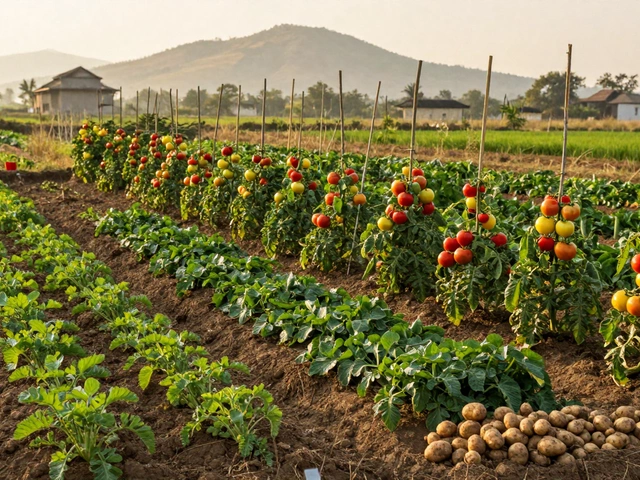
Kitchen Garden Orientation: Start Growing Food Right at Home
When you start a kitchen garden orientation, a planned approach to growing food close to your kitchen for daily use. Also known as home vegetable garden, it’s not just about planting seeds—it’s about designing a system that saves time, water, and effort while feeding your family. Most people fail because they treat it like a hobby, not a practical setup. A real kitchen garden is built for convenience: easy access, smart spacing, and plants you actually eat. It’s not a fancy flower bed. It’s your source of fresh curry leaves, tomatoes, spinach, and chillies—right outside your back door.
A good kitchen garden orientation, a planned approach to growing food close to your kitchen for daily use. Also known as home vegetable garden, it’s not just about planting seeds—it’s about designing a system that saves time, water, and effort while feeding your family. needs the right soil, the living medium where plant roots grow and get nutrients. Also known as garden substrate, it’s the foundation of every healthy plant.. You don’t need expensive pots or imported compost. Indian home gardeners get the best results by mixing local soil with well-decomposed cow dung and dry leaves. That’s it. No chemicals. No complex tests. Just rich, loose, dark earth that holds moisture without turning to mud. And if your soil is hard? You fix it with a fork and some compost—no heavy machinery needed.
Then there’s watering, the act of supplying water to plants at the right time and amount. Also known as plant hydration, it’s the most common mistake in home gardens.. Running a drip line every day? That’s how you kill plants. Most kitchen gardens in India need water only 2–3 times a week, depending on the season. Rainwater harvesting, even in small barrels, cuts costs and helps plants thrive. Mulching with dry grass or rice husks cuts evaporation by half. You’re not just watering—you’re managing a cycle.
And the plants? Pick what you use. Coriander, mint, curry leaf, tomato, chilli, spinach, and beans—these aren’t just garden favorites. They’re daily kitchen staples. Grow them where you can reach them without stepping on your neighbor’s plants. Vertical space? Use it. A wall with hanging pots gives you more room than you think. A 10x10 patio? More than enough. You don’t need a big yard. You need a smart plan.
What you’ll find in the posts below isn’t theory. It’s what works in real Indian homes. From fixing compacted soil to choosing the best veggies for balconies, from homemade fertilizers to avoiding overwatering, every article here comes from people who’ve tried it, failed, and figured it out. No fluff. No marketing. Just clear, repeatable steps to turn your balcony, terrace, or backyard into a kitchen garden that feeds you—every day.
Getting the right orientation for your kitchen garden can change everything. Imagine a small plot bursting with freshness just because you placed it in the perfect spot. With tips on maximizing sunlight, considering space, and ideal plant placement, this guide helps make the most of your backyard. Get your hands dirty with these practical insights and see your kitchen garden thrive.