When we say a plant is lonely, a plant showing signs of stress due to lack of environmental interaction or social context in human-managed spaces, we’re not being poetic. Science shows that plants respond to their surroundings—not just light and water, but also proximity to other plants, airflow, and even human presence. A lonely plant often means it’s been left alone in a corner, far from other greenery, with no airflow, no humidity, and no care routine. It’s not just about missing a friend—it’s about missing the microclimate that keeps it alive.
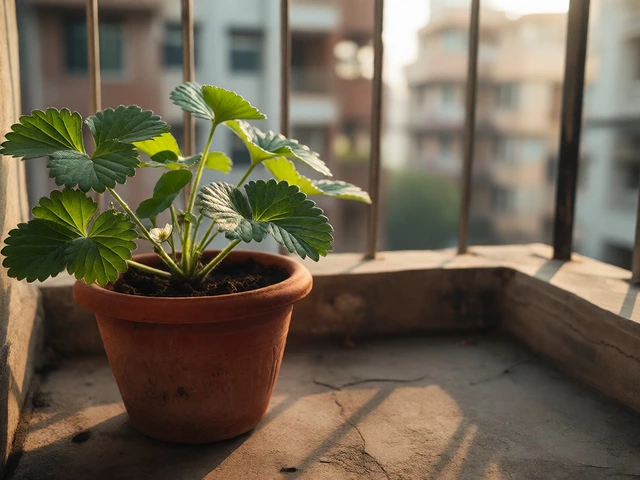
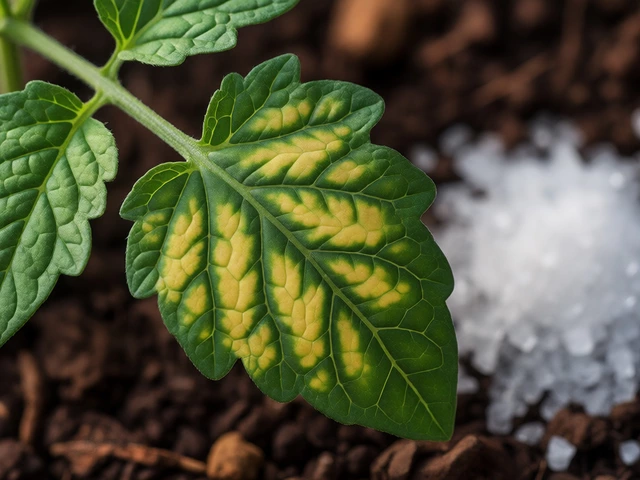
Plants don’t have feelings like we do, but they do react to isolation. Think of it like this: if you lived your whole life in a sealed, silent room with no breeze, no sound, and no change in temperature, you’d wilt too. That’s what happens to a plant stuck on a bare windowsill, surrounded by empty space. It’s not getting the humidity it needs from neighboring leaves. It’s not benefiting from the natural airflow that helps prevent mold or pests. And it’s not getting the subtle cues that tell it when to grow or rest. The lonely plant often shows up as yellowing leaves, stunted growth, or sudden leaf drop—signs we mistake for overwatering or poor soil, when the real issue is emotional neglect, not physical neglect.
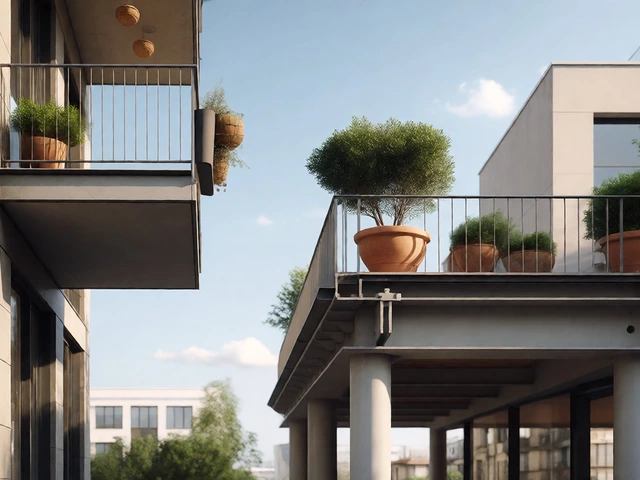
You’ll see this most in homes where people buy one plant, place it in the center of a room, and forget it. That’s the classic lonely plant scenario. But it also happens in offices, balconies, and terraces where plants are spaced too far apart. Even a Vanda orchid or a bonsai tree, both high-maintenance species mentioned in our posts, can suffer from isolation—even if you water them perfectly. They need companions. Not just other plants, but a little ecosystem. A cluster of plants creates humidity. A group of pots traps warmth. A row of herbs on a windowsill mimics nature’s way of growing together. That’s why compacted soil, drip irrigation, and neem oil won’t fix a plant that’s been left out in the cold—literally and figuratively.
Fixing a lonely plant isn’t about buying more fertilizer. It’s about rearranging your space. Move it next to another plant. Group it with a fern or a succulent. Put it near a small humidifier if you’re in a dry climate. Even a simple tray of pebbles and water nearby can help. The goal isn’t to turn your home into a jungle—it’s to give your plant what it needs to feel safe, supported, and part of something bigger. You don’t need dozens of plants. Just one or two nearby can make all the difference.
What you’ll find in the posts below aren’t just care tips—they’re real stories from gardeners who rescued plants others had given up on. Some were overwatered. Some were under-lighted. But most? They were just alone. And once they weren’t, they came back to life. These aren’t myths. They’re results. And you can get them too—without spending a rupee more than you already have.
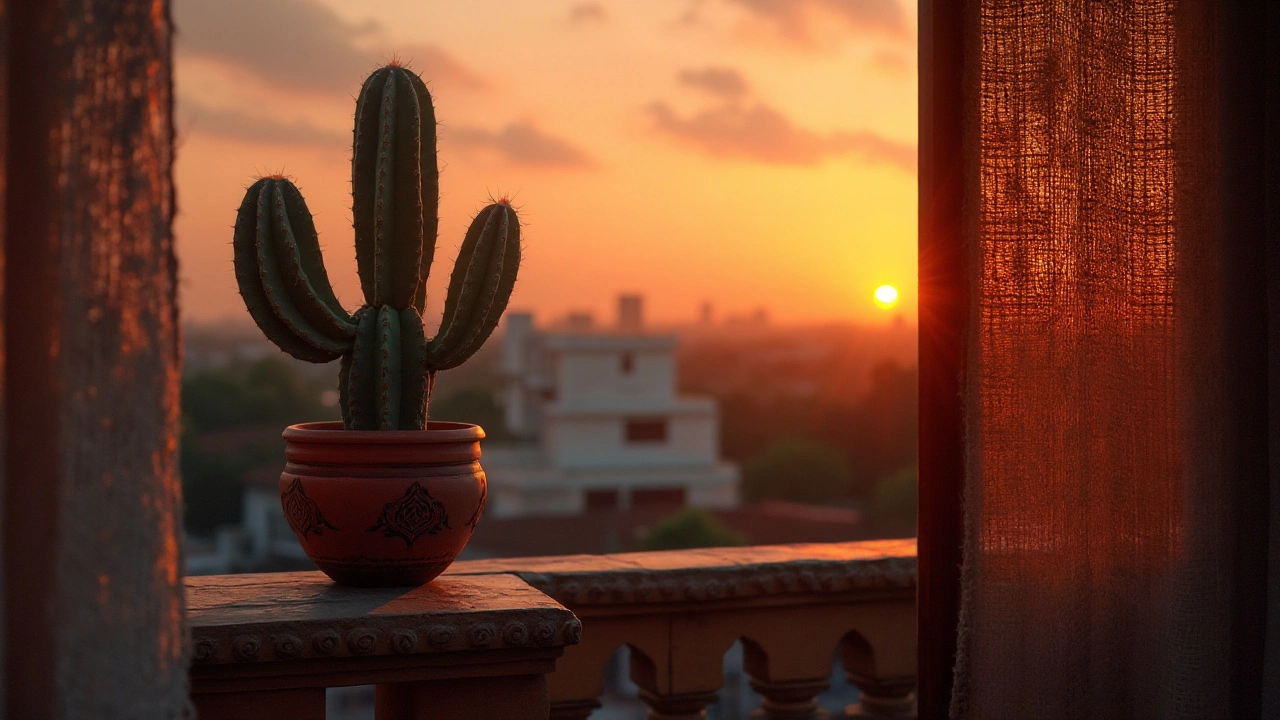
Lonely plants often thrive in solitude, making them perfect candidates for small balcony gardens. From the stoic cactus to the pensive ZZ plant, these solitary survivors offer both aesthetic and practical benefits. Embracing their independent nature can simplify garden maintenance and enhance the peaceful atmosphere of your outdoor space. Understanding what makes a plant 'lonely' can help in selecting the right one for your need. Discover the unique characteristics and care tips for these solo-standing botanicals.