Marigold Symbolism: What It Means and Why It Matters in Indian Gardens
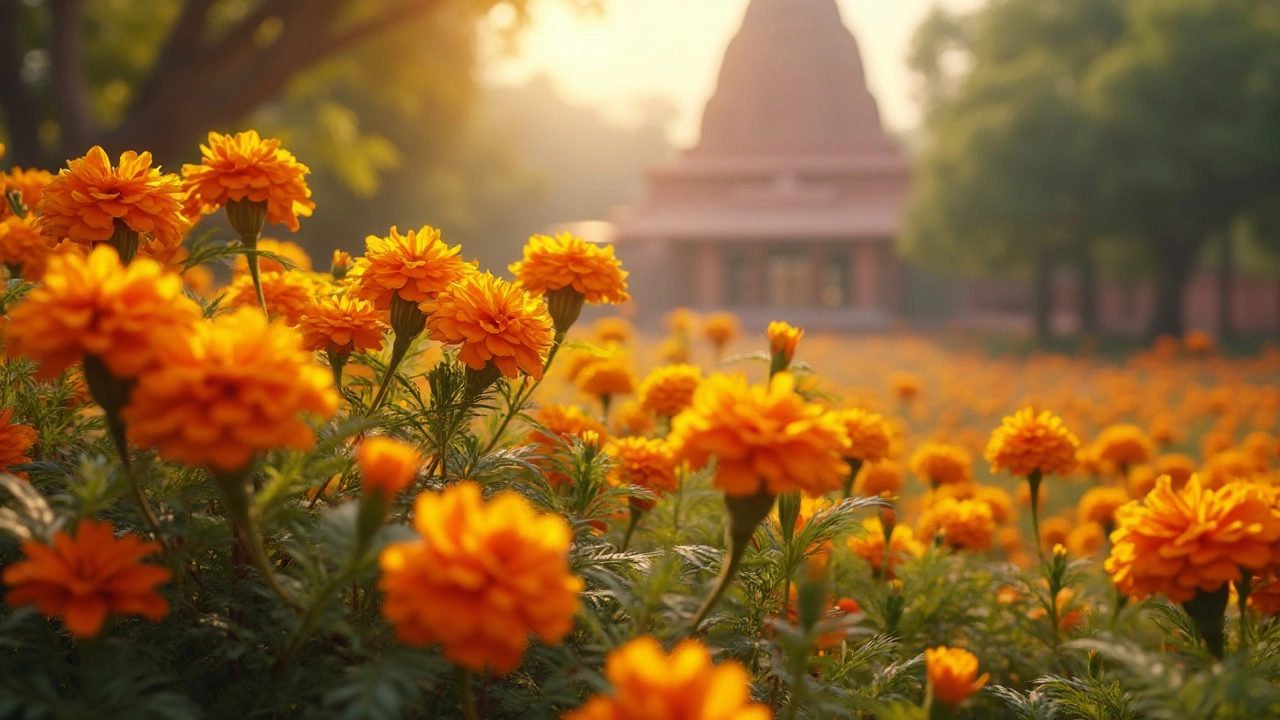
When you see a marigold, a bright orange or yellow flower widely grown across India for its vivid color and cultural significance. Also known as genda, it's not just a pretty plant—it's a symbol woven into the fabric of daily life, religious practice, and seasonal celebration. You’ll find marigolds strung into garlands at temples, lining wedding paths, and piled on altars during Diwali and Durga Puja. But why this flower? Why not roses or lotuses? The answer isn’t just tradition—it’s biology, history, and belief all tangled together.
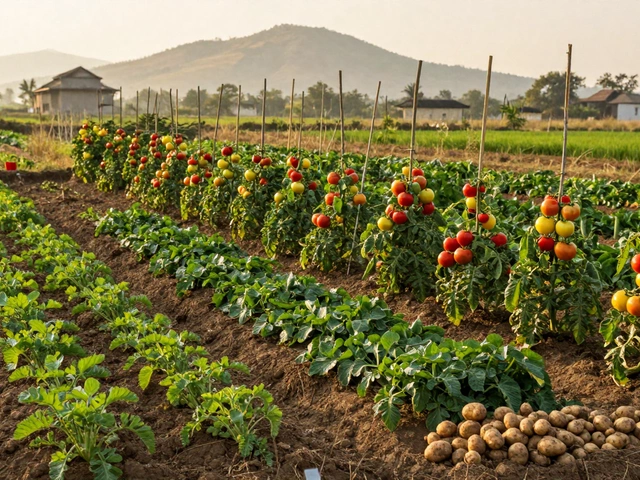
Marigold symbolism in India ties directly to the sun. Its golden hue mirrors the sun’s power, making it a natural choice for rituals honoring deities like Lakshmi and Ganesha, who represent prosperity and new beginnings. Unlike many flowers that fade quickly, marigolds bloom fiercely through heat and dry spells, making them perfect for India’s harsh summers. This resilience isn’t lost on gardeners—they plant marigolds not just for looks, but because they’re tough, easy to grow, and repel pests naturally. In fact, many farmers and home gardeners use marigolds as companion plants to protect vegetables from nematodes and aphids, turning symbolism into practical science.
There’s also a quieter layer: marigolds are linked to memory and transition. In Hindu funeral rites, they’re scattered to guide the soul’s journey, while in some regions, they’re placed on graves as a sign of respect. This duality—joy and mourning, celebration and remembrance—makes marigolds one of the few flowers that carry emotional weight across life’s big moments. You won’t find another flower in India that’s used in both a wedding mandap and a cremation pyre with equal reverence.
What you’ll find in the posts below isn’t just a list of articles—it’s a real look at how marigolds fit into Indian gardening culture. You’ll see how people grow them in tiny balconies and huge farms, how they’re used in homemade pesticides, and why they show up in so many of the same places as neem oil and compost. Some posts talk about their role in monsoon gardens. Others show how they’re planted alongside jasmine and other rainy-season blooms. There’s even one that compares marigolds to the toughest plants in India, and why they still win. You won’t find fluff here. Just facts, stories, and the quiet truth: if you want to understand Indian gardening, start with the marigold.
In India, the marigold is often considered the luckiest flower, cherished for its vibrant color and cultural significance. Known as the 'Herb of the Sun,' marigolds are believed to bring prosperity and happiness. This flower thrives in the Indian climate, making it a popular choice for both decorative and spiritual purposes in gardening. Dive into why the marigold enjoys this special status and how you can incorporate it into your garden.