Money Plant: Care, Benefits, and Why It’s India’s Favorite Indoor Green
When you think of indoor plants in India, one name comes up again and again: the money plant, a hardy, vine-like houseplant known for its heart-shaped leaves and air-purifying abilities. Also known as Epipremnum aureum, it’s not just a decoration—it’s a low-effort, high-reward plant that survives neglect, thrives in low light, and cleans the air you breathe. You’ll find it in offices, balconies, and living rooms from Mumbai to Varanasi, not because it’s trendy, but because it just works.
What makes the money plant, a resilient tropical vine native to French Polynesia but now naturalized across Asia. Also known as devil’s ivy, it’s one of the few plants that can grow in water or soil with minimal care so popular? It doesn’t need direct sunlight. It doesn’t demand daily watering. It doesn’t die if you forget it for two weeks. That’s why it’s the go-to plant for beginners, busy professionals, and even people who think they have a black thumb. It’s also one of the few plants scientifically proven to remove toxins like formaldehyde and benzene from indoor air—something you’ll notice if you’ve ever felt your apartment breathe easier after adding one.
And then there’s the cultural side. In Indian homes, the money plant, a symbol of prosperity and good fortune in Vastu and Feng Shui traditions. Also known as golden pothos, it’s often placed near entrances or in the southeast corner of rooms to attract wealth isn’t just a plant—it’s an investment. People tie red threads around its stems. They gift it during housewarmings. They believe it grows faster when you speak to it. Whether you believe in the superstition or not, the fact remains: if you want a plant that lasts, cleans the air, and lifts the mood without costing much, the money plant is your best bet.
You’ll find plenty of tips here on how to fix yellowing leaves, how to propagate it from a single cutting, and why it sometimes stops growing even when it looks healthy. You’ll also learn how it compares to other low-maintenance plants like snake plants or ZZ plants, and why it outperforms them in humid Indian climates. We’ve pulled together real experiences from gardeners across India—people who’ve grown money plants in bathrooms, under ACs, in water bottles, and even in old tea mugs. No fancy tools. No expensive soil. Just results.
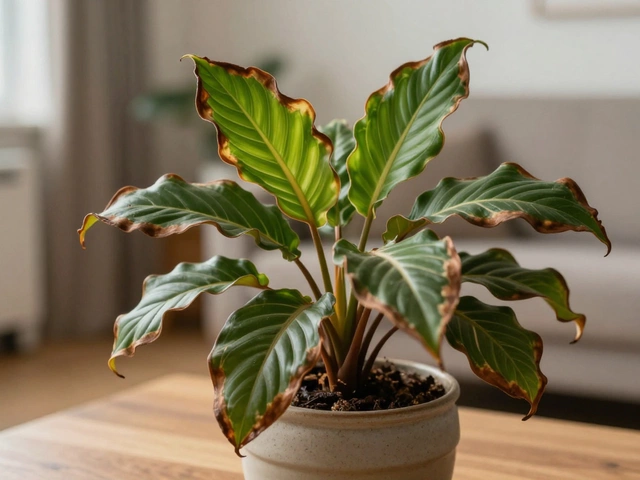
What you’ll see in the posts below aren’t generic advice. They’re answers to real problems: Why does my money plant’s leaves turn brown at the edges? Can I grow it in a dark room? Why is it growing long vines but no new leaves? We’ve covered the mistakes most people make, the myths that don’t hold up, and the simple tricks that make all the difference.
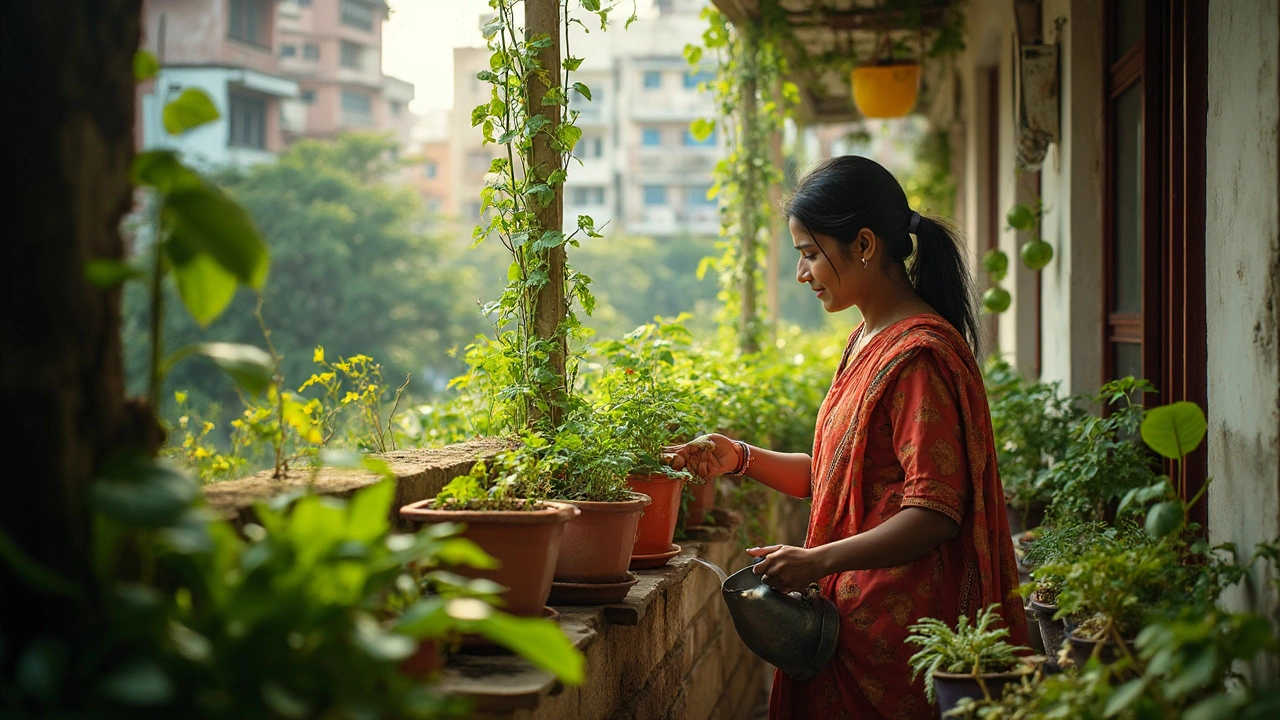
Growing money plants on a balcony is way easier than most folks think. This article cuts through the confusion and walks you through everything from picking the right spot to dealing with common problems. You'll get practical tips for plant care, watering, and creating a setup that actually works in small spaces. Whether your balcony is tiny or gets just a sliver of sunlight, you can make a money plant thrive. Real-life tricks and easy fixes make this guide perfect for busy city dwellers.