Native Vegetables India: Best Local Crops for Your Garden
When you think of gardening in India, you might picture tomatoes or cucumbers—but the real stars are the native vegetables India, plants that have grown here for centuries, adapted to monsoons, heat, and local soil. Also known as traditional Indian vegetables, these crops don’t need fancy inputs or imported seeds. They thrive with less water, resist local pests, and taste better because they’re built for this land. Forget chasing exotic imports. If you want a garden that actually works here, start with what’s already winning.
These native vegetables India, plants like amaranth, cowpea, and cluster beans, are more than just food—they’re part of India’s farming DNA. Amaranth, called chaulai in Hindi, grows fast in hot, dry soil and needs almost no care. Cluster beans, or guar, fix nitrogen in the soil, so they improve the ground as they grow. You don’t need chemical fertilizers when you grow these. They work with the season, not against it. And unlike imported veggies that wilt in India’s humidity, these stay healthy with minimal watering. That’s why smart gardeners are going back to them—especially in cities where water is tight and soil is tired.
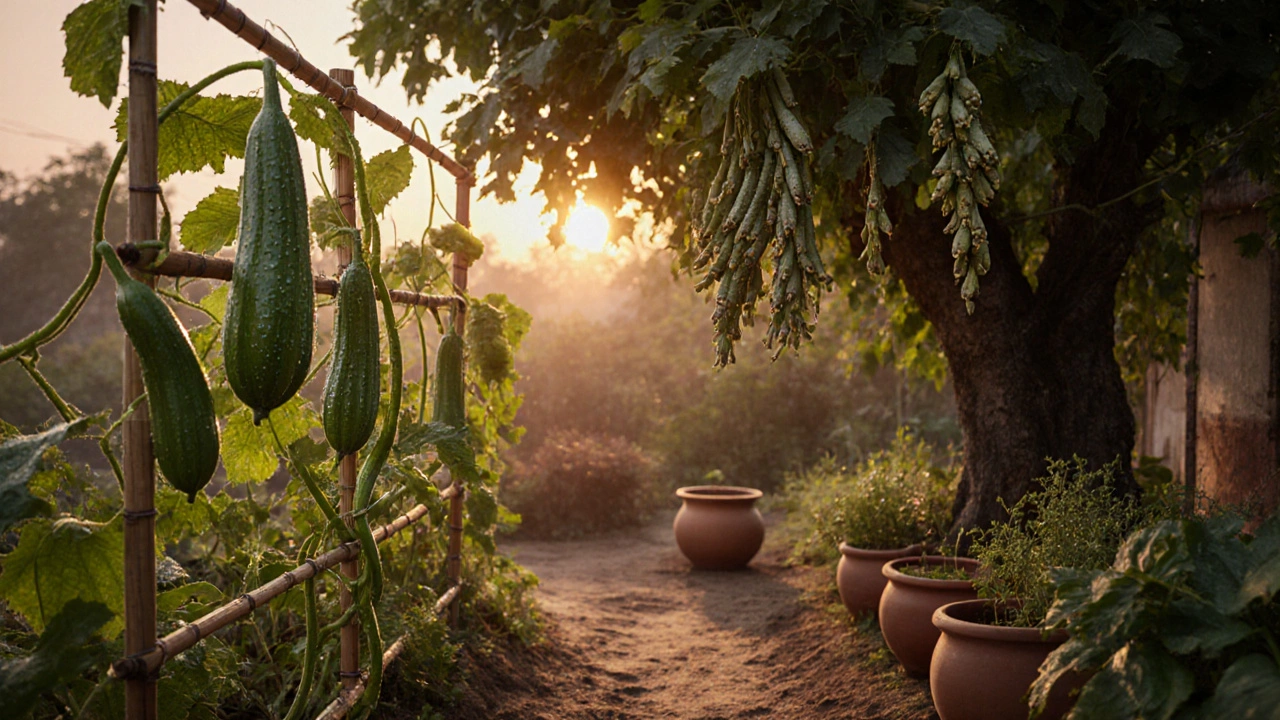
These crops also connect to deeper practices. Growing native vegetables India, like bitter gourd or ridge gourd, means you’re supporting biodiversity. You’re not just feeding your family—you’re helping preserve seeds that have survived droughts, floods, and changing climates for generations. And when you grow them, you’re not fighting the environment—you’re working with it. That’s the heart of sustainable gardening. It’s not about buying expensive tools or imported seeds. It’s about choosing what belongs here.
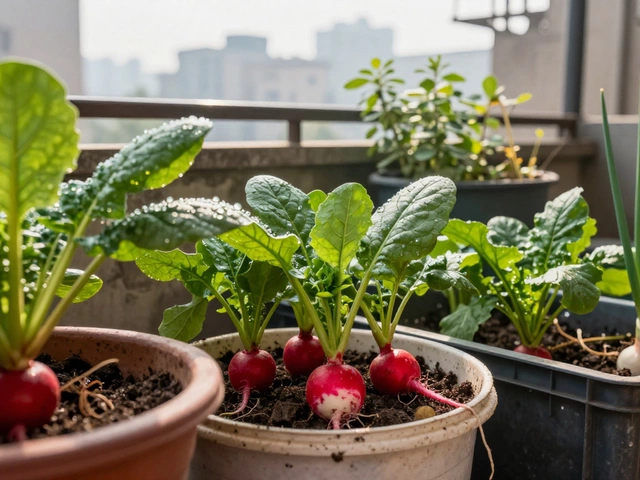
Below, you’ll find real guides from gardeners who’ve made these crops work in small balconies, rooftop plots, and backyard patches. You’ll see how to grow them without drip systems, how to fix poor soil with compost instead of chemicals, and how to use natural insecticides like neem oil to keep pests away—without harming bees or your health. No fluff. No theory. Just what actually grows here, when, and how.
Discover which vegetables are truly native to India and why growing them makes your garden more resilient, nutritious, and connected to local food traditions. Learn how to grow bitter gourd, drumstick, snake gourd, and other indigenous crops with minimal effort.