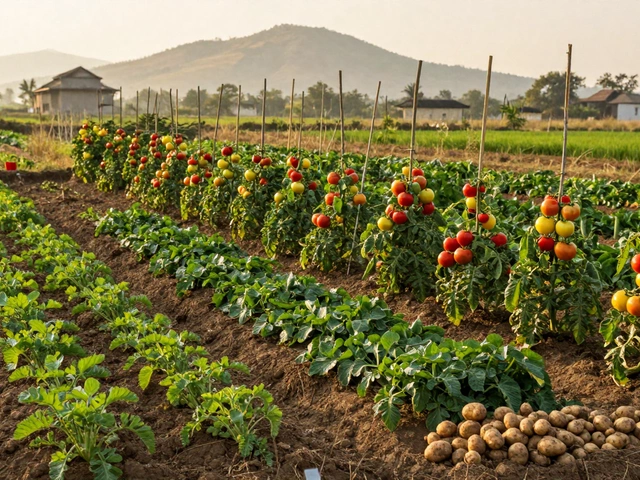
No-Till Farming: Benefits, Challenges & How to Get Started
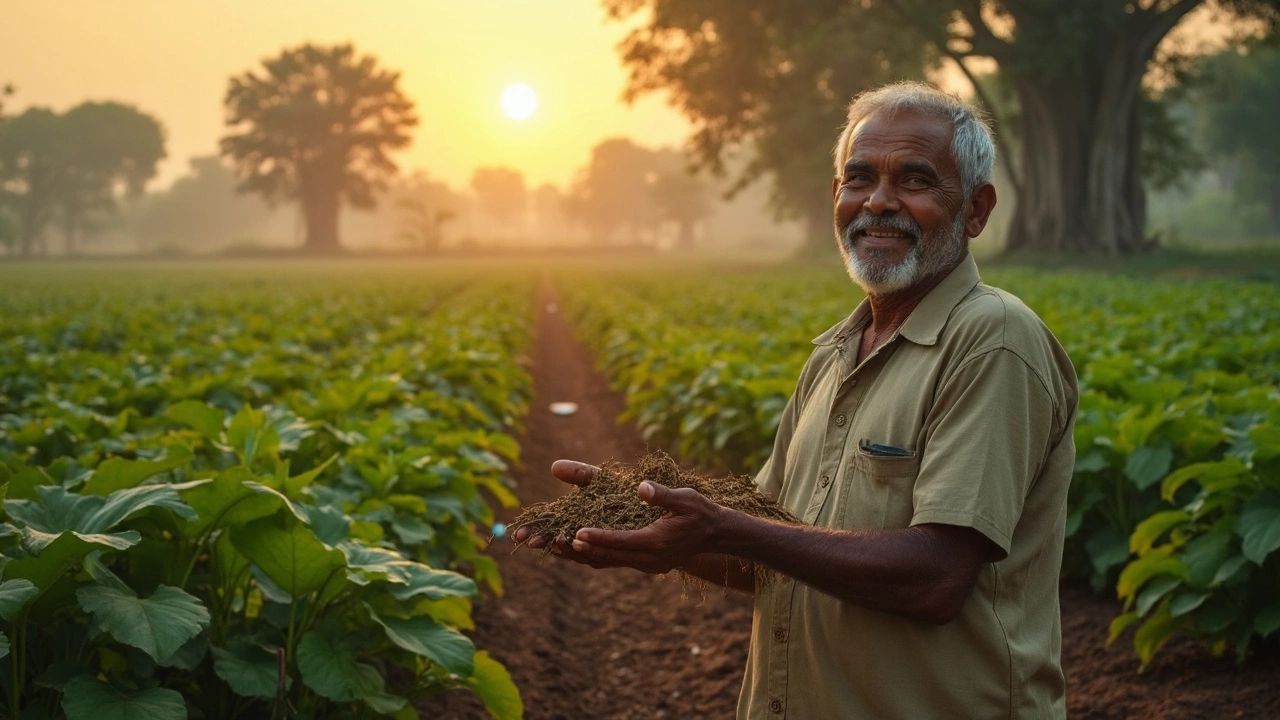
Dig into the no-till method—how skipping the plough improves soil, saves work, and helps the planet. Honest pros, real challenges, and steps to start.
Continue reading...When you hear no-till farming, a method of growing crops without disturbing the soil through plowing or tilling. Also known as zero-tillage, it’s not just a trend—it’s a shift in how we think about soil. Instead of turning the earth, you let it stay put, letting worms, fungi, and microbes do the work for you. This isn’t magic. It’s biology. Every time you dig, you break apart the tiny networks of roots and fungi that feed plants. No-till farming keeps those networks intact, so your plants get nutrients faster, hold water better, and resist disease naturally.
Think of your soil like a sponge. Tilling flattens it, squeezes out air, and dries it out. No-till farming lets the soil breathe. It holds moisture longer, cuts down on runoff, and stops topsoil from blowing away. In India’s dry regions, where water is tight and heat is high, this makes a huge difference. Farmers who switched to no-till report using up to 40% less water and seeing fewer pests—because healthy soil supports beneficial insects, not just weeds.
It doesn’t mean doing nothing. You still need to manage weeds, but instead of pulling them with a hoe, you cover the soil with mulch or plant cover crops, plants grown to protect and enrich the soil between main crops. Common choices like cowpea, mustard, or clover add nitrogen, block weeds, and feed the soil when they break down. And when you stop tilling, you save time, fuel, and money—no tractor needed. This method works for big farms and tiny balconies alike. Whether you’re growing tomatoes in pots or wheat on an acre, letting the soil rest is the secret to long-term success.
You’ll find posts here that show you how to start no-till in your own garden, how to pick the right mulch for Indian weather, and why composting fits perfectly into this system. You’ll see how people in Tamil Nadu and Punjab are using it to revive tired land. You’ll learn what happens when you mix no-till with drip irrigation or rainwater harvesting. And you’ll find out why some gardeners swear by it after one season—while others struggle because they skipped the basics.
This isn’t about going back to the past. It’s about using science to work with nature, not against it. If you’re tired of fighting soil that’s hard as brick, or wasting water on plants that still look weak, no-till farming might be the fix you’ve been looking for. The tools you need? A rake, some mulch, and patience. The results? Stronger plants, less work, and soil that actually gets better every year.
Dig into the no-till method—how skipping the plough improves soil, saves work, and helps the planet. Honest pros, real challenges, and steps to start.
Continue reading...